Are glass - lined bowls safe to use?
As a supplier of Glass - Lined Bowls, I often get asked about the safety of these products. It's a valid concern, especially when it comes to items that are used in various industries, from food processing to chemical manufacturing. In this blog, I'll delve into the safety aspects of glass - lined bowls, comparing them with other options like Stainless Steel Bowl and providing you with a comprehensive understanding of their safety profile.
Composition and Construction
Glass - lined bowls are made by fusing a layer of glass to a metal substrate, usually steel. This process creates a smooth, non - porous surface that is resistant to corrosion and chemical attack. The glass lining acts as a protective barrier between the contents of the bowl and the metal, preventing any direct contact that could lead to contamination or degradation of the product.
The glass used in these bowls is typically a special type of borosilicate glass, which is known for its high resistance to thermal shock. This means that the bowl can withstand rapid changes in temperature without cracking or breaking. For example, in a food processing plant, the bowl might be used to hold hot liquids one moment and then be cooled quickly for further processing. The borosilicate glass lining ensures that the bowl remains intact under such conditions.
Chemical Resistance
One of the key safety features of Glass - Lined Bowl is their excellent chemical resistance. They can withstand a wide range of chemicals, including acids, alkalis, and solvents. This makes them ideal for use in chemical laboratories and industrial settings where harsh chemicals are handled.
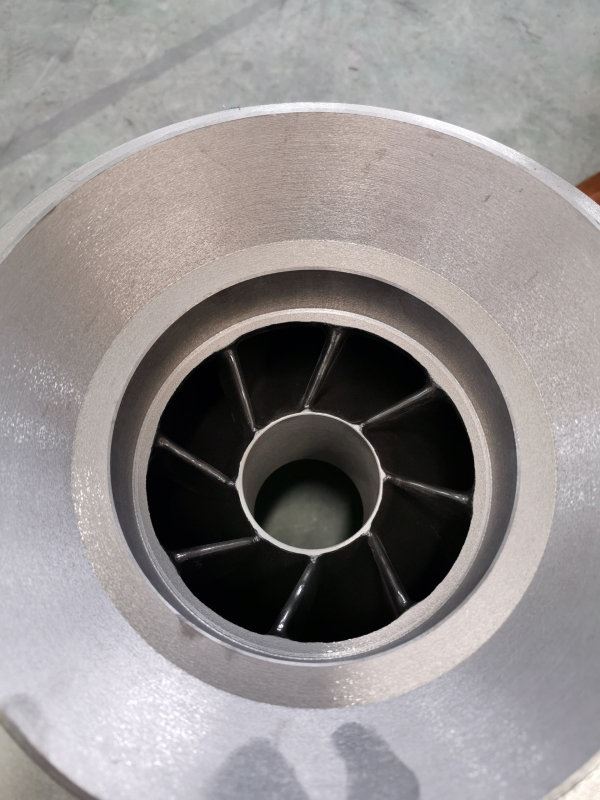
In a chemical manufacturing process, for instance, a glass - lined bowl can be used to mix and store corrosive chemicals without the risk of the bowl itself being corroded. This not only protects the integrity of the bowl but also ensures that the chemicals remain pure and uncontaminated. In contrast, a stainless - steel bowl may react with certain chemicals over time, leading to the formation of rust or other contaminants that could affect the quality of the product.
Hygiene and Cleanliness
Glass - lined bowls are also highly hygienic. The smooth glass surface does not have any pores or crevices where bacteria or other microorganisms can grow. This makes them easy to clean and sterilize, which is crucial in industries such as food and beverage, pharmaceuticals, and cosmetics.
In a food processing facility, strict hygiene standards must be maintained to prevent the growth of harmful bacteria. Glass - lined bowls can be easily cleaned using standard cleaning agents and high - pressure water jets. They can also be steam - sterilized at high temperatures, ensuring that they are free from any contaminants. In comparison, some stainless - steel bowls may have rough surfaces or seams where dirt and bacteria can accumulate, making them more difficult to clean thoroughly.
Safety in Handling
When it comes to handling, glass - lined bowls are designed with safety in mind. They are usually equipped with sturdy handles or lifting points to ensure easy and safe transportation. The smooth glass surface also reduces the risk of slips and falls during handling.
However, it's important to note that glass - lined bowls are fragile and can be damaged if not handled properly. For example, dropping a glass - lined bowl or subjecting it to a sudden impact can cause the glass lining to crack or chip. To mitigate this risk, proper training should be provided to the personnel handling these bowls, and they should be stored and transported in appropriate protective packaging.
Thermal Safety
As mentioned earlier, glass - lined bowls are made of borosilicate glass, which has a low coefficient of thermal expansion. This means that the bowl can expand and contract evenly when exposed to changes in temperature, reducing the risk of thermal stress and cracking.

In a high - temperature application, such as in a furnace or a hot - water system, a glass - lined bowl can maintain its structural integrity without warping or breaking. This is in contrast to some other materials that may deform or crack under extreme temperature conditions.
Comparison with Stainless Steel Bowls
While Stainless Steel Bowl are also widely used in various industries, they have some limitations when compared to glass - lined bowls. Stainless steel can react with certain chemicals, especially acidic substances, over time. This can lead to the formation of rust or other contaminants, which can affect the quality of the product being stored or processed in the bowl.
In addition, stainless - steel bowls may have a rougher surface compared to glass - lined bowls, which can make them more difficult to clean and sterilize. However, stainless - steel bowls are generally more durable and less fragile than glass - lined bowls, making them a better choice in applications where there is a high risk of impact or rough handling.
Potential Risks and Mitigation
Although glass - lined bowls are generally safe to use, there are some potential risks that need to be considered. The most significant risk is the possibility of the glass lining cracking or chipping. If this occurs, the metal substrate may be exposed to the contents of the bowl, which could lead to corrosion and contamination.
To mitigate this risk, regular inspections should be carried out to check for any signs of damage to the glass lining. If a crack or chip is detected, the bowl should be taken out of service immediately and repaired or replaced. It's also important to follow the manufacturer's guidelines for the use and maintenance of the glass - lined bowls to ensure their long - term safety and performance.
Conclusion
In conclusion, glass - lined bowls are a safe and reliable option for a wide range of applications. Their excellent chemical resistance, hygiene, thermal safety, and smooth surface make them ideal for use in industries where product purity and quality are of utmost importance. However, like any product, they require proper handling, maintenance, and inspection to ensure their continued safety.
If you're in the market for a high - quality bowl for your specific application, I encourage you to consider Glass - Lined Bowl. Our company offers a wide range of glass - lined bowls that are designed to meet the highest safety and quality standards. We are committed to providing our customers with the best products and services, and we would be happy to discuss your requirements and help you find the right solution for your needs. Contact us today to start the procurement discussion and take the first step towards a safer and more efficient operation.
References
- "Handbook of Chemical Resistance of Glass - Lined Equipment", Chemical Industry Press, 2018.
- "Hygiene Standards in Food Processing Equipment", Food Science Journal, Vol. 15, Issue 3, 2020.
- "Thermal Properties of Borosilicate Glass", Materials Science Review, Vol. 22, Issue 4, 2019.