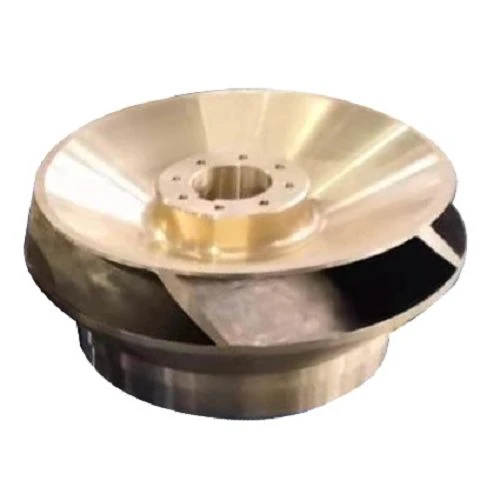
Hey there! As a supplier of Bronze Pump Impeller, I often get asked if a bronze pump impeller can be used in corrosive environments. It's a valid question, and one that I'm more than happy to dive into.
First off, let's talk a bit about what bronze is. Bronze is an alloy mainly composed of copper and tin, with small amounts of other elements like zinc, lead, or phosphorus. This combination gives bronze some unique properties that make it a popular choice for pump impellers. It's relatively strong, has good wear resistance, and is quite malleable, which means it can be shaped into the complex designs needed for efficient pump operation.
Now, when it comes to corrosive environments, things get a bit more complicated. Corrosion is basically the deterioration of a material due to chemical reactions with its surroundings. In the case of pump impellers, these surroundings could be water (especially saltwater), chemicals, or even certain gases.
Bronze has a natural resistance to corrosion, thanks to the copper in its composition. Copper forms a thin oxide layer on its surface when exposed to air, which acts as a protective barrier against further corrosion. This is why you often see old bronze statues or coins that have developed a greenish patina over time. That patina is actually a sign that the bronze is protecting itself.
In mildly corrosive environments, a bronze pump impeller can work just fine. For example, in freshwater applications where there are only small amounts of dissolved oxygen and other impurities, bronze can last a long time. It's also suitable for some industrial processes where the chemicals involved are not overly aggressive.
However, in more severe corrosive environments, bronze might not be the best choice. Saltwater, for instance, is much more corrosive than freshwater. The high concentration of salts, especially chlorides, can break down the protective oxide layer on the bronze surface and cause pitting corrosion. Pitting is a form of corrosion where small holes or pits form on the surface of the material, which can weaken the impeller and eventually lead to failure.
Another factor to consider is the temperature. Higher temperatures can accelerate the corrosion process. So, if the corrosive environment is also hot, the bronze pump impeller might not hold up as well.
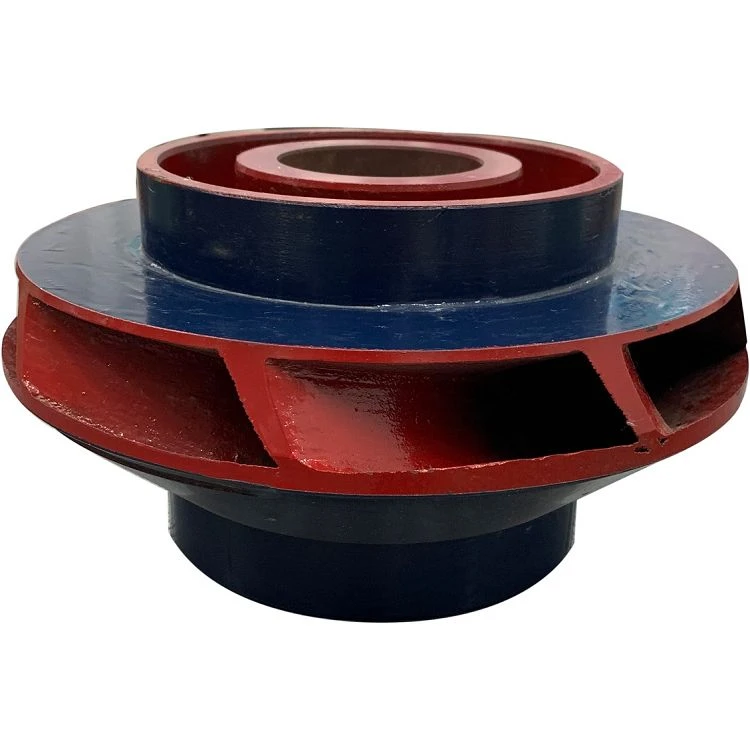
Let's compare bronze with other materials commonly used for pump impellers. Cast Iron Pump Impeller is a more affordable option, but it has much lower corrosion resistance than bronze. Cast iron is prone to rusting, especially in wet or humid conditions. So, in most corrosive environments, it's not a good choice.
On the other hand, Stainless Steel Pump Impeller is known for its excellent corrosion resistance. Stainless steel contains chromium, which forms a very stable oxide layer that provides superior protection against corrosion. In extremely corrosive environments, stainless steel is often the preferred material. However, it's also more expensive than bronze.
So, can a bronze pump impeller be used in corrosive environments? The answer is: it depends. In mildly corrosive conditions, it can be a great choice due to its combination of strength, wear resistance, and moderate corrosion resistance. But in more severe environments, you might want to consider other materials like stainless steel.
If you're not sure whether a bronze pump impeller is suitable for your specific application, it's always a good idea to consult with an expert. We, as a bronze pump impeller supplier, have a lot of experience in this field and can provide you with professional advice based on your needs.
When choosing a pump impeller, you also need to consider other factors besides corrosion resistance. The design of the impeller is crucial for the efficiency of the pump. A well-designed impeller can reduce energy consumption and increase the lifespan of the pump. We offer a wide range of bronze pump impellers with different designs to meet various requirements.
In addition, the quality of the manufacturing process also matters. Our bronze pump impellers are made using high - quality materials and advanced manufacturing techniques. We ensure that each impeller meets strict quality standards, so you can be confident in its performance.
If you're interested in our bronze pump impellers or have any questions about their use in corrosive environments, don't hesitate to get in touch. We're here to help you make the right choice for your pump system. Whether it's for a small - scale industrial process or a large - scale water treatment plant, we have the expertise and products to meet your needs.
In conclusion, while bronze pump impellers have their limitations in highly corrosive environments, they can still be a viable option in many cases. By understanding the nature of the corrosive environment and considering other factors like temperature and impeller design, you can make an informed decision. And if you need any assistance, we're just a message away. So, why not reach out and start a conversation about your pump impeller needs today?
References
- "Corrosion of Metals" by Uhlig, H. H.
- "Handbook of Corrosion Data" by Fontana, M. G.
- "Pump Handbook" by Karassik, I. J.