As a dedicated pump bowl supplier, I've been deeply involved in the pump industry for years. One question that frequently arises from customers is whether a pump bowl can be used in a self - priming pump. In this blog, I'll delve into this topic, exploring the technical aspects, advantages, and limitations of using a pump bowl in a self - priming pump.
Understanding Self - Priming Pumps
Self - priming pumps are a special type of pump designed to evacuate air from the suction line and the pump casing to allow the fluid to be drawn into the pump without the need for external priming. They are widely used in various applications, such as sewage systems, irrigation, and industrial processes where the pump may be located above the fluid level.
The self - priming mechanism typically involves creating a partial vacuum in the pump casing to draw air out and allow the fluid to enter. This process usually relies on a combination of impeller design, air - water separation chambers, and check valves.
The Role of a Pump Bowl
A pump bowl is an essential component in many types of pumps, especially in vertical turbine pumps. It serves as a housing for the impeller and diffuser, guiding the flow of fluid through the pump. The design of the pump bowl can significantly affect the pump's performance, including efficiency, head, and flow rate.
Pump bowls come in different materials and designs to suit various applications. For example, Glass - Lined Bowl is corrosion - resistant and suitable for handling aggressive chemicals, while Stainless Steel Bowl offers high strength and durability for general - purpose applications.
Can a Pump Bowl Be Used in a Self - Priming Pump?
The short answer is yes, but with some considerations. In theory, a pump bowl can be incorporated into a self - priming pump design. However, there are several factors that need to be taken into account to ensure proper operation.
Advantages of Using a Pump Bowl in a Self - Priming Pump
- Improved Flow Control: A well - designed pump bowl can help guide the fluid flow more efficiently, reducing turbulence and improving the overall performance of the self - priming pump. This can lead to higher flow rates and better head capabilities.
- Enhanced Durability: The use of a pump bowl can provide additional structural support to the impeller and other internal components, increasing the pump's durability and lifespan. This is particularly important in applications where the pump is subjected to high pressures or abrasive fluids.
- Flexibility in Design: Pump bowls can be customized to meet specific application requirements. This allows for greater flexibility in designing self - priming pumps for different industries and operating conditions.
Limitations and Challenges
- Priming Process: Incorporating a pump bowl into a self - priming pump may complicate the priming process. The additional volume and complexity of the pump bowl can make it more difficult to evacuate air from the system, potentially leading to longer priming times or even failure to prime.
- Cost: Custom - designed pump bowls can be expensive, especially if they are made from specialized materials or require complex manufacturing processes. This can increase the overall cost of the self - priming pump, making it less competitive in the market.
- Maintenance: The presence of a pump bowl can make maintenance and repair more challenging. Accessing internal components may require more disassembly, increasing downtime and maintenance costs.
Technical Considerations for Using a Pump Bowl in a Self - Priming Pump
If you decide to use a pump bowl in a self - priming pump, there are several technical considerations to keep in mind:
Design Optimization
The pump bowl design should be optimized to work in conjunction with the self - priming mechanism. This may involve adjusting the shape, size, and internal geometry of the pump bowl to ensure efficient air - water separation and smooth fluid flow.
Material Selection
The choice of material for the pump bowl is crucial. It should be compatible with the fluid being pumped and able to withstand the operating conditions, including pressure, temperature, and chemical composition.
Sealing and Leakage
Proper sealing is essential to prevent air leakage during the priming process. The pump bowl should be designed with effective sealing mechanisms to ensure a tight fit and prevent air from entering the system.
Case Studies
To illustrate the practical application of using a pump bowl in a self - priming pump, let's look at a few case studies:
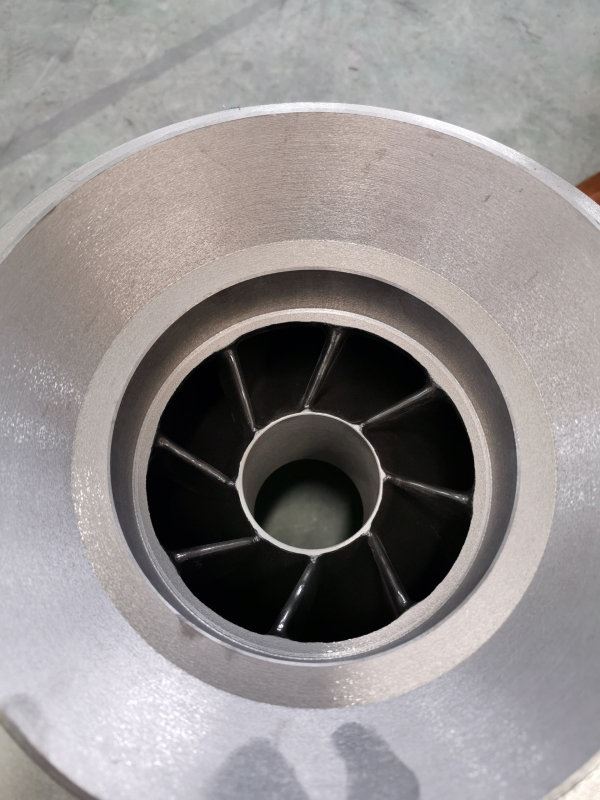

Industrial Wastewater Treatment
In an industrial wastewater treatment plant, a self - priming pump with a stainless steel pump bowl was used to handle abrasive and corrosive wastewater. The pump bowl provided excellent durability and flow control, allowing the pump to operate efficiently for extended periods without significant wear.
Agricultural Irrigation
In an agricultural irrigation system, a self - priming pump with a glass - lined pump bowl was installed to handle water containing chemicals and fertilizers. The corrosion - resistant properties of the glass - lined bowl ensured long - term performance and reduced maintenance requirements.
Conclusion
In conclusion, a pump bowl can be used in a self - priming pump, but it requires careful consideration of the technical aspects, advantages, and limitations. While there are potential benefits in terms of flow control, durability, and design flexibility, there are also challenges related to the priming process, cost, and maintenance.
If you're considering using a pump bowl in a self - priming pump for your application, I encourage you to contact us for more information. Our team of experts can help you evaluate your needs, select the right pump bowl material and design, and ensure a successful installation. We're committed to providing high - quality pump bowls and excellent customer service to meet your specific requirements. Whether you're in the industrial, agricultural, or any other sector, we're here to assist you in finding the best solution for your pumping needs. Let's start a conversation about your project and explore how our pump bowls can enhance the performance of your self - priming pumps.
References
- Karassik, I. J., Messina, J. P., Cooper, P. T., & Heald, C. C. (2008). Pump Handbook. McGraw - Hill Professional.
- Stepanoff, A. J. (1957). Centrifugal and Axial Flow Pumps: Theory, Design, and Application. John Wiley & Sons.