Can a pump control panel be used for fuel pumps? That's a question I get asked a lot as a supplier of Pump Control Panel. And the answer is a resounding yes! But there's more to it than just a simple yes or no, so let's dive into the details.
First off, let's talk about what a pump control panel is. In a nutshell, it's a device that helps manage and regulate the operation of pumps. It can control things like the start and stop of the pump, adjust the speed, and monitor various parameters such as pressure and flow. These panels are super versatile and can be used with all sorts of pumps, including fuel pumps.
Fuel pumps, as you know, are crucial in transferring fuel from one place to another, whether it's from a storage tank to an engine or from a refueling station to a vehicle. They need to operate efficiently and safely, and that's where a pump control panel comes in handy.
One of the main benefits of using a pump control panel with a fuel pump is improved safety. Fuel is a highly flammable substance, so any system dealing with it needs to have strict safety measures in place. A good control panel can have built - in safety features like over - current protection. If the pump draws too much current, which could be a sign of a mechanical problem or a blockage, the control panel can automatically shut off the pump. This helps prevent things like electrical fires or damage to the pump itself.
Another safety aspect is the ability to monitor pressure. In a fuel pumping system, maintaining the right pressure is key. If the pressure gets too high, it could cause leaks or even damage the pipes and fittings. On the other hand, if the pressure is too low, the fuel may not reach its destination properly. A pump control panel can constantly monitor the pressure and make adjustments as needed. For example, if the pressure starts to drop, it can increase the pump speed to bring the pressure back up to the desired level.
Efficiency is another big plus. A pump control panel can optimize the operation of the fuel pump. It can adjust the pump's speed based on the actual demand. For instance, if only a small amount of fuel needs to be transferred, the control panel can slow down the pump, saving energy and reducing wear and tear on the pump components. This not only saves money on energy costs but also extends the lifespan of the pump.
Now, let's talk about some of the features you might find in a pump control panel for fuel pumps. Many modern control panels come with digital displays. These displays show important information like the current pressure, flow rate, and the status of the pump (whether it's running, stopped, or in an alarm state). This makes it easy for operators to keep an eye on the system at a glance.
Some control panels also have remote monitoring capabilities. With the help of the internet, operators can access the control panel from anywhere in the world. They can check the status of the fuel pump, make adjustments, and receive alerts if there's a problem. This is especially useful for large fuel storage facilities or for companies that have multiple fuel pumping stations spread out over a wide area.
However, when using a pump control panel for fuel pumps, there are a few things to keep in mind. First, the control panel needs to be compatible with the specific type of fuel pump you're using. Different fuel pumps have different power requirements, flow rates, and operating characteristics. So, you need to make sure that the control panel can handle these requirements.
Also, since fuel is a sensitive substance, the control panel should be designed to meet certain safety standards. It should be explosion - proof if it's going to be used in an environment where there's a risk of fuel vapors. This ensures that there's no chance of a spark from the control panel igniting the fuel vapors.
In addition, proper installation and maintenance are crucial. A control panel needs to be installed correctly to function properly. This may involve following specific wiring diagrams and ensuring that all the connections are secure. Regular maintenance, such as checking for loose connections, cleaning the components, and updating the software (if it's a smart control panel), is also necessary to keep the system running smoothly.
So, if you're in the market for a pump control panel for your fuel pumps, what should you look for? Well, as a supplier, I'd recommend looking for a panel that has a good reputation for reliability. Read reviews from other users and see what they have to say about the performance and durability of the control panel.
It's also a good idea to choose a control panel that offers flexibility. You may need to make changes to your fuel pumping system in the future, so a panel that can be easily re - configured or upgraded is a great choice.
And don't forget about customer support. If you run into any problems with the control panel, you want to be able to get help quickly. A supplier that offers good customer support, whether it's through phone, email, or on - site service, can make a big difference.
In conclusion, a pump control panel can definitely be used for fuel pumps, and it offers a whole bunch of benefits in terms of safety, efficiency, and ease of operation. If you're looking to improve the performance of your fuel pumping system, investing in a high - quality pump control panel is a smart move.
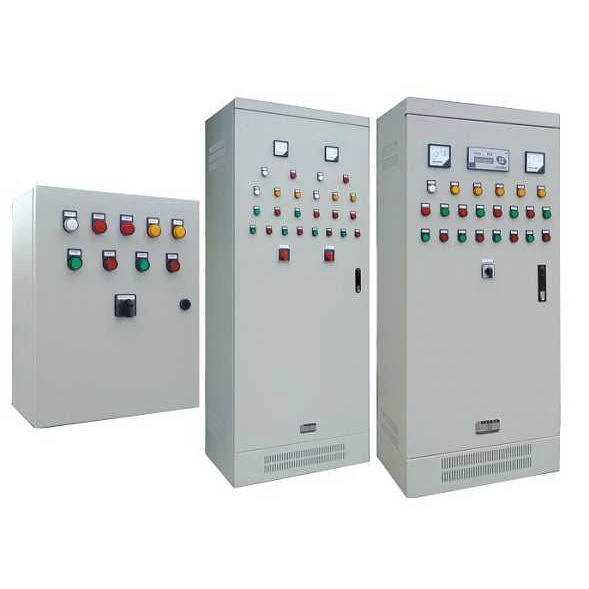
If you're interested in learning more about our Pump Control Panel products and how they can be used for your fuel pumps, I'd love to hear from you. Whether you have questions about the features, pricing, or installation, feel free to reach out to us. We're here to help you find the perfect solution for your needs. Let's start a conversation and see how we can make your fuel pumping system better!
References
- General knowledge of pump control technology and fuel pump systems
- Industry standards and best practices for fuel pump control panels