Can a pump control panel be used for saltwater pumps? Well, that's a question I get asked a lot as a supplier of Pump Control Panel. Let's dive right into it and break down all the factors involved.
First off, let's understand what a pump control panel does. It's like the brain of the pump system. It manages the operation of the pump, controls the start and stop functions, and can also provide protection against things like over - current, over - voltage, and under - voltage. A good control panel ensures that the pump runs efficiently and safely.
Now, when it comes to saltwater pumps, there are some unique challenges. Saltwater is highly corrosive. The salt in the water can react with metals and other materials over time, causing them to break down. This is a major concern because most pump control panels have a lot of metal components, such as circuit boards, wiring, and connectors.
One of the key things to consider is the materials used in the construction of the control panel. If you're thinking of using a regular control panel for a saltwater pump, you might run into trouble. The standard metals used in many control panels, like steel or aluminum, can corrode quickly when exposed to saltwater. This corrosion can lead to short circuits, malfunctioning components, and ultimately, a failed control panel.
However, that doesn't mean a pump control panel can't be used for saltwater pumps. There are specialized control panels designed to withstand the harsh environment of saltwater. These panels are made with corrosion - resistant materials. For example, some use stainless steel enclosures that are highly resistant to the corrosive effects of salt. The internal components may also be coated with special protective materials to prevent saltwater damage.
Another important aspect is the sealing of the control panel. A well - sealed control panel can prevent saltwater from getting inside. This is crucial because even a small amount of saltwater can cause significant damage to the electrical components. Look for control panels with tight - fitting gaskets and seals that can keep out moisture and salt spray.
The location of the control panel also matters. If it's installed in an area where it's directly exposed to saltwater splashes or high humidity, the risk of damage is much higher. It's a good idea to install the control panel in a dry, protected area away from the direct influence of saltwater. For example, you could place it in a climate - controlled cabinet or a building near the pump system.
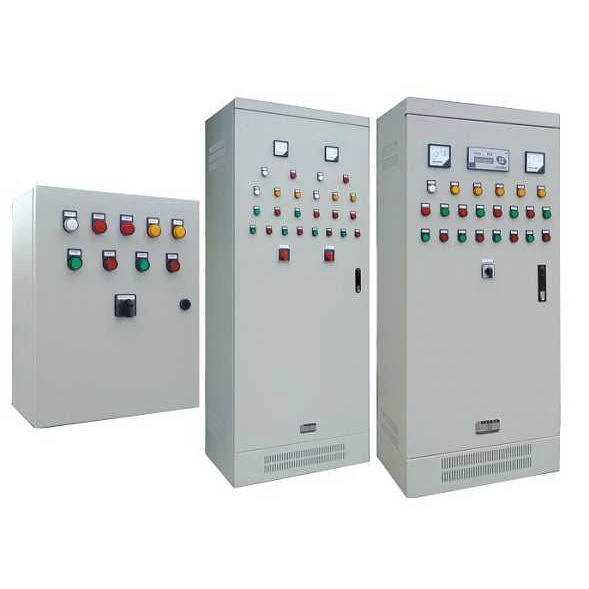
Let's talk about the electrical components inside the control panel. Saltwater can cause electrical conductivity issues. If saltwater gets on the circuit boards, it can create short circuits or interfere with the normal operation of the electrical signals. Specialized control panels for saltwater pumps are designed with electrical components that are less prone to these issues. They may have additional insulation and shielding to protect against the effects of saltwater.
In addition to the physical protection, the software and programming of the control panel also play a role. Some advanced control panels can monitor the condition of the pump and the control panel itself. They can detect early signs of corrosion or other problems and send alerts. This allows for timely maintenance and can prevent major breakdowns.
Now, let's consider the cost. Specialized pump control panels for saltwater pumps are generally more expensive than regular ones. This is because of the additional materials and design features required to make them corrosion - resistant. However, when you think about the long - term savings, it's worth the investment. A regular control panel that fails due to saltwater damage may need to be replaced frequently, which can end up costing you more in the long run.
As a pump control panel supplier, I've seen many customers make the mistake of using a regular control panel for a saltwater pump without considering the potential risks. This often leads to costly repairs and downtime. That's why I always recommend using a control panel specifically designed for saltwater applications.
When choosing a control panel for a saltwater pump, you also need to consider the specific requirements of your pump system. Different pumps have different power ratings, operating conditions, and control needs. Make sure the control panel you choose is compatible with your pump's specifications. You may need to consult with an expert or the manufacturer to ensure a proper match.
Let's touch on maintenance. Even with a specialized control panel, regular maintenance is essential. You should inspect the control panel regularly for signs of corrosion or damage. Check the seals and gaskets to make sure they're still in good condition. Clean the exterior of the panel to remove any salt deposits. And don't forget to test the functionality of the control panel periodically to ensure it's working properly.
I also want to mention the importance of proper installation. A poorly installed control panel can lead to all sorts of problems. Make sure the control panel is installed according to the manufacturer's instructions. This includes proper grounding, correct wiring, and secure mounting.
In conclusion, a pump control panel can be used for saltwater pumps, but it has to be the right one. Specialized control panels designed for saltwater applications offer the protection and reliability needed to keep your pump system running smoothly. If you're in the market for a pump control panel for your saltwater pump, don't just go for the cheapest option. Invest in a high - quality, corrosion - resistant control panel that will last.
If you're interested in learning more about our Pump Control Panel options for saltwater pumps or have any questions, feel free to reach out. We're here to help you find the perfect solution for your pump system.
References
- "Corrosion in Marine Environments" - A technical guide on corrosion and its effects on equipment in saltwater.
- Manufacturer's manuals for pump control panels, which provide detailed information on design and maintenance.