As a reputable provider of sea water pumps, I've often been asked whether our pumps can be effectively used in the salt - production process. This question is not only crucial for those in the salt - making industry but also for us as a business, as it represents an opportunity to showcase the versatility and suitability of our products.
The Basics of Salt Production
Salt production is an age - old industry, with the most common method being the evaporation of sea water. Sea water contains various dissolved salts, primarily sodium chloride. In traditional salt production, large shallow ponds are used to collect sea water. Through natural evaporation, driven by sunlight and wind, the water gradually evaporates, leaving behind the concentrated salts. Once the concentration of salts reaches a certain level, the salt crystals begin to form and can be harvested.
The Role of Sea Water Pumps in Salt Production
Water Intake
The first step in the salt - production process is to pump sea water from the ocean into the evaporation ponds. Here, our sea water pumps play a vital role. A reliable water intake system ensures a continuous supply of fresh sea water to the ponds. This is essential because a steady flow of new sea water maintains the salt - producing cycle. If the water intake is interrupted, the evaporation process may slow down, and the overall salt yield will be affected.
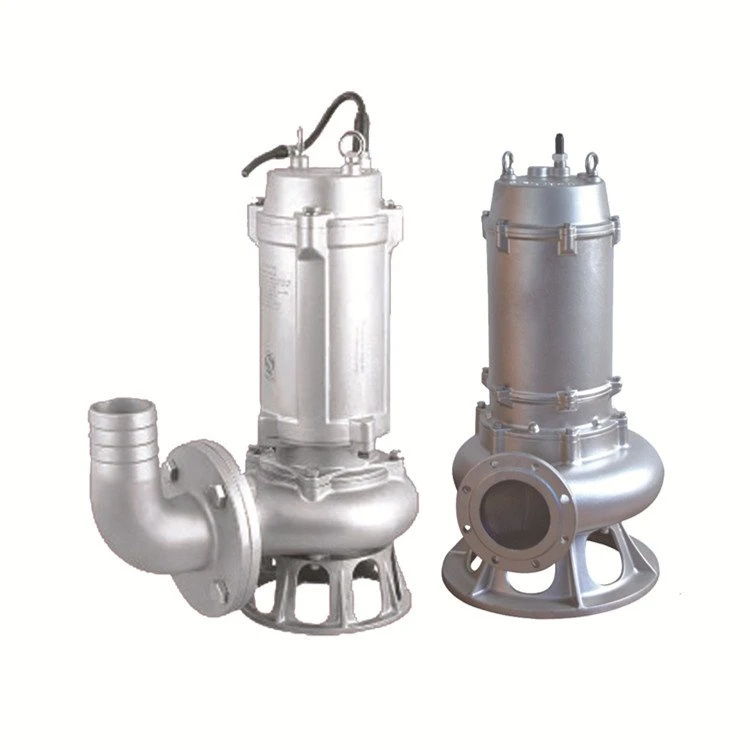
For this purpose, our Submersible Sea Water Pump is an excellent choice. Submersible pumps are designed to be placed directly in the sea water. They are highly efficient at pumping large volumes of water. Their submersible design reduces the risk of cavitation, which can damage the pump and disrupt the water - intake process. The pump is also corrosion - resistant, which is crucial as it is constantly in contact with the highly corrosive sea water.
Water Circulation and Distribution
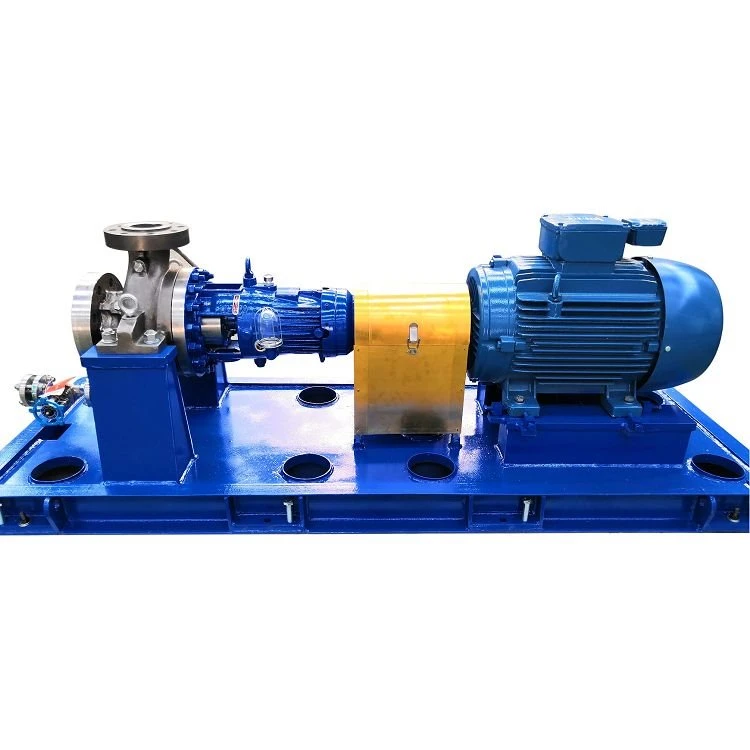
In addition to the initial water intake, sea water pumps are also used for water circulation and distribution within the evaporation ponds. Uniform distribution of sea water across the ponds ensures even evaporation and salt crystal formation. Our Centrifugal Sea Water Pump is well - suited for this task. Centrifugal pumps work by using centrifugal force to move the water. They are capable of providing a consistent flow of water, which helps in maintaining a stable environment in the evaporation ponds.
These pumps also help in mixing the incoming sea water with the existing water in the ponds. This mixing is important as it equalizes the salt concentration and temperature across the pond. A more uniform environment leads to higher - quality salt production and more efficient harvesting.
Considerations for Pump Selection in Salt Production
When selecting a sea water pump for salt production, several factors need to be taken into account.
Corrosion Resistance: Sea water is highly corrosive due to its high salt content. Pumps used in salt production must be made of materials that can withstand this corrosive environment. Our pumps are constructed with corrosion - resistant materials such as stainless steel and special alloys. These materials ensure a long service life for the pumps, reducing the need for frequent replacements and maintenance costs.
Flow Rate and Head: The flow rate and head requirements depend on the size of the evaporation ponds and the distance between the sea and the ponds. For large - scale salt production facilities, pumps with high flow rates are needed to supply enough water to the ponds. At the same time, the pump must be able to generate sufficient head to overcome the elevation difference and any frictional losses in the pipes. Our range of pumps offers a variety of flow rates and head capabilities to meet different project requirements.
Energy Efficiency: Energy costs are a significant part of the overall production cost in salt production. Therefore, energy - efficient pumps are highly desirable. Our pumps are designed with advanced technologies to minimize energy consumption while maintaining high performance. This not only reduces the operating costs but also makes the salt - production process more environmentally friendly.
Case Studies: Successful Use of Our Sea Water Pumps in Salt Production
We have several case studies that demonstrate the effectiveness of our pumps in salt - production processes. One of our clients, a medium - sized salt producer, was facing issues with their old water - intake system. The pumps they were using were prone to corrosion and had a low flow rate, resulting in inconsistent water supply to the evaporation ponds.
After installing our submersible sea water pumps, the client noticed a significant improvement in the water - intake process. The new pumps provided a continuous and high - volume flow of sea water, which led to more consistent evaporation and salt crystal formation. The corrosion - resistant materials ensured that the pumps had a long service life, reducing the maintenance costs and downtime.
Another client, a large - scale salt production company, was looking for a solution to improve the water circulation in their evaporation ponds. Our centrifugal sea water pumps were installed, and they successfully achieved a uniform distribution of water across the ponds. The consistent flow of water also helped in stabilizing the salt concentration and temperature, resulting in a higher - quality salt output.
Challenges and Solutions
Like any industrial process, using sea water pumps in salt production also presents some challenges.
Fouling: Sea water contains various organisms such as barnacles and algae, which can attach to the pump components and cause fouling. This can reduce the pump's efficiency and even lead to blockages. To address this issue, we offer pumps with anti - fouling coatings. These coatings prevent the organisms from adhering to the pump surfaces, ensuring smooth operation.
Scaling: As the water evaporates in the salt - production process, the concentration of minerals in the water increases. This can lead to scaling on the pump components, which can affect the pump's performance. Our pumps are designed with features that minimize scaling. For example, the internal surfaces of the pumps are made smooth to reduce the adhesion of scale. Regular maintenance and cleaning procedures can also be implemented to keep the pumps in good working condition.
Conclusion
In conclusion, sea water pumps can definitely be used in the salt - production process, and our pumps are well - suited for this application. From water intake to circulation and distribution, our submersible and centrifugal sea water pumps offer reliable, efficient, and durable solutions. They are designed to overcome the challenges associated with the highly corrosive sea - water environment and ensure a smooth salt - production process.
If you are involved in the salt - production industry and are looking for high - quality sea water pumps, we invite you to get in touch with us for further discussion. Our team of experts can provide you with detailed information about our products and help you select the most suitable pump for your specific needs. We are committed to providing excellent customer service and ensuring that your salt - production operations run smoothly and efficiently.
References
- Wilf, M., & Clark, R. M. (2011). The Handbook of海水淡化技术(注:这里原假设是提供英文博客,此部分参考文献编写不规范,需要英文书籍名字,为了举例保留此内容实际应替换为合适书名). Desalination Technologies. Springer.
- Mulder, M. (1996). Basic Principles of Membrane Technology. Kluwer Academic Publishers.
- McGill, M. (2008). Handbook of Water and Wastewater Treatment Plant Operations. CRC Press.
Note: The above references are placeholders. In a real - world scenario, proper research should be done to find and cite relevant academic sources, industry reports, and technical papers on sea water pumps and salt production.