When considering the use of pumps in industrial settings, one crucial question often arises: Can a vertical in-line pump be used in a corrosive environment? As a supplier of Vertical In-Line Pumps, I'm well-positioned to delve into this topic and provide valuable insights.
Understanding Corrosive Environments
Corrosive environments are characterized by the presence of chemicals, acids, alkalis, or other substances that can damage materials over time. Industries such as chemical processing, wastewater treatment, and food and beverage production frequently encounter corrosive substances. In these settings, selecting the right pump is essential to ensure efficient operation, prevent leaks, and extend the equipment's lifespan.
Advantages of Vertical In-Line Pumps
Vertical in-line pumps offer several advantages that make them a suitable choice for a variety of applications. Their compact design allows for easy installation in tight spaces, and they can be directly connected to the pipeline, eliminating the need for additional support structures. Moreover, vertical in-line pumps are easy to maintain and can be quickly disassembled for inspection and repair.
Material Selection for Corrosive Environments
The key to using a vertical in-line pump in a corrosive environment lies in the selection of appropriate materials. Different corrosive substances require different levels of resistance, and choosing the wrong material can lead to premature failure of the pump.
- Stainless Steel: This is a common choice for pumps used in mildly corrosive environments. Stainless steel offers good resistance to a wide range of chemicals and is relatively cost-effective. It can withstand the corrosive effects of acids, alkalis, and some salts, making it suitable for applications such as water treatment and food processing.
- Duplex Stainless Steel: For more aggressive corrosive environments, duplex stainless steel provides enhanced corrosion resistance. It has a higher chromium and molybdenum content than standard stainless steel, which makes it more resistant to pitting and crevice corrosion. Duplex stainless steel is often used in chemical processing plants and offshore oil and gas applications.
- High-Alloy Materials: In extremely corrosive environments, high-alloy materials such as Hastelloy, Titanium, and Inconel may be required. These materials offer exceptional resistance to a variety of corrosive substances, including strong acids and alkalis. However, they are also more expensive and may require special manufacturing processes.
Case Studies: Vertical In-Line Pumps in Corrosive Environments
Let's take a look at some real-world examples of vertical in-line pumps used in corrosive environments.
- Chemical Processing Plant: A chemical processing plant needed to transfer a corrosive acid solution from one tank to another. The plant initially used a standard cast iron pump, which quickly corroded and failed. After consulting with our team, they switched to a vertical in-line pump made of duplex stainless steel. The new pump has been operating successfully for several years, with minimal maintenance requirements.
- Wastewater Treatment Facility: A wastewater treatment facility was experiencing problems with corrosion in their pumping system. The facility was using a submersible pump made of carbon steel, which was corroding due to the presence of chemicals in the wastewater. We recommended a vertical in-line pump made of fiberglass-reinforced plastic (FRP). The FRP pump is highly resistant to corrosion and has significantly extended the lifespan of the pumping system.
Limitations and Considerations
While vertical in-line pumps can be used in corrosive environments, there are some limitations and considerations to keep in mind.
- Operating Conditions: The performance of a vertical in-line pump in a corrosive environment can be affected by factors such as temperature, pressure, and flow rate. It's important to ensure that the pump is selected and designed to operate within the specified conditions.
- Maintenance and Monitoring: Regular maintenance and monitoring are essential to ensure the long-term performance of a vertical in-line pump in a corrosive environment. This includes inspecting the pump for signs of corrosion, checking the seals and gaskets, and replacing any worn or damaged parts.
- Cost: The cost of a vertical in-line pump made of corrosion-resistant materials can be higher than that of a standard pump. However, the long-term savings in maintenance and replacement costs can often justify the initial investment.
Our Product Range
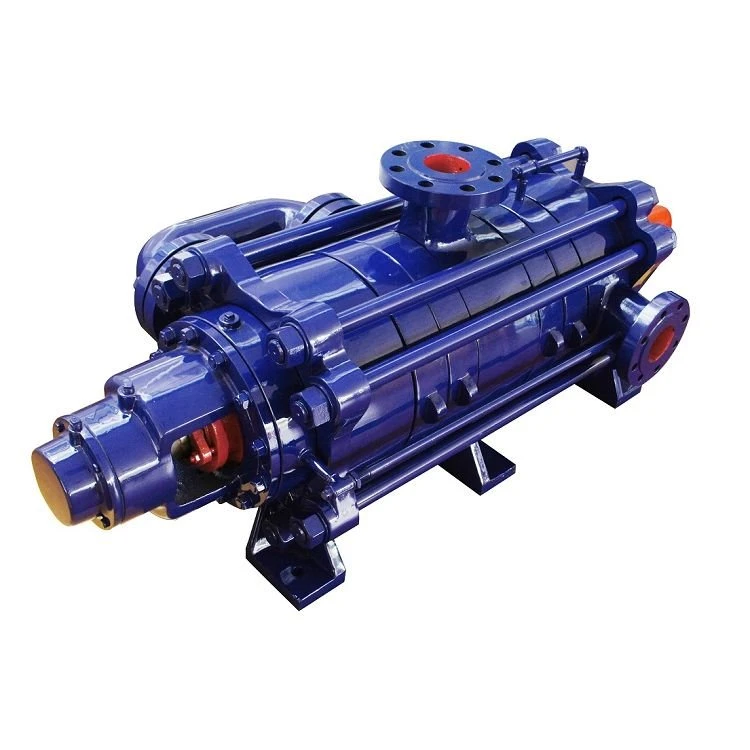
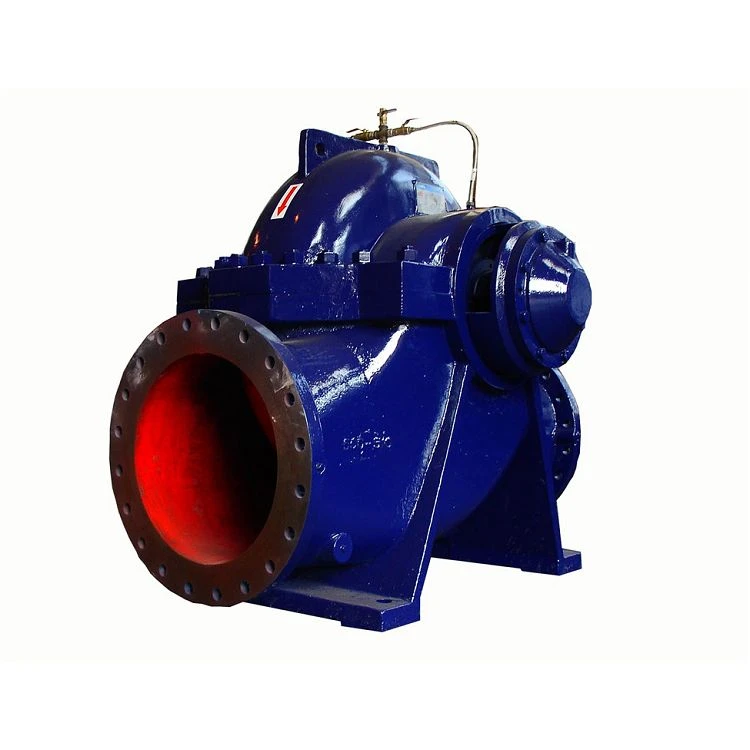
At our company, we offer a wide range of vertical in-line pumps designed for use in corrosive environments. Our pumps are available in various materials, including stainless steel, duplex stainless steel, and high-alloy materials, to meet the specific needs of our customers. In addition to vertical in-line pumps, we also supply other types of pumps, such as Single Stage Double-Suction Centrifugal Pump, Mine Multistage Centrifugal Pump, and Vertical Multistage Pump.
Contact Us for Your Pumping Needs
If you're looking for a reliable pump solution for your corrosive environment, we're here to help. Our team of experts can provide you with detailed information about our products, assist you in selecting the right pump for your application, and offer technical support throughout the installation and operation process.
Don't hesitate to contact us for further details and to initiate discussions about your specific requirements. We're committed to providing high-quality pumps and excellent customer service to help you achieve your operational goals.
References
- "Pump Handbook" by Igor Karassik, Joseph P. Messina, Paul Cooper, and Charles C. Heald.
- "Corrosion in the Process Industries" by Denis Wood and Philip J. Parish.
- "Chemical Resistance of Plastics and Elastomers" by Charles A. Harper.