Can industrial pumps be used in explosive environments?
As a seasoned supplier of industrial pumps, I often encounter inquiries from clients about the feasibility of using our pumps in explosive environments. This is a critical concern, as the safety and efficiency of operations in such settings are of utmost importance. In this blog post, I will delve into the topic, exploring the challenges, solutions, and considerations when it comes to using industrial pumps in explosive atmospheres.
Understanding Explosive Environments
Explosive environments are areas where there is a risk of explosion due to the presence of flammable gases, vapors, dusts, or fibers. These environments can be found in various industries, including oil and gas, chemical, mining, and pharmaceutical. The key to preventing explosions in these areas is to control the sources of ignition and to ensure that all equipment used is designed and certified to operate safely in such conditions.
Challenges of Using Industrial Pumps in Explosive Environments
Using industrial pumps in explosive environments presents several challenges. Firstly, the pump must be designed to prevent the generation of sparks or other sources of ignition. This can be achieved through the use of special materials, such as Ductile Iron Casting, which have low sparking properties. Additionally, the pump must be constructed in a way that minimizes the risk of friction or other mechanical processes that could generate heat or sparks.
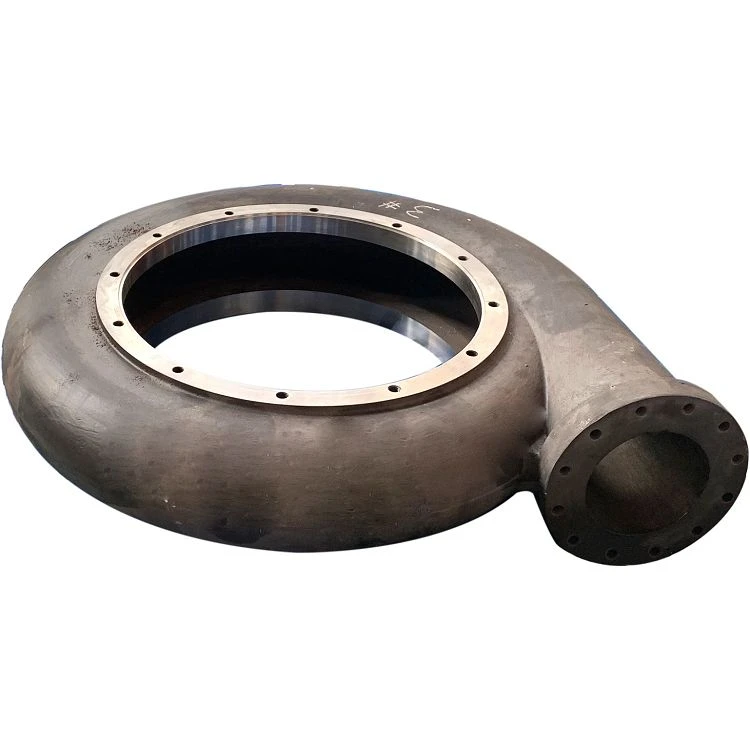
Secondly, the pump must be able to withstand the harsh conditions often found in explosive environments. This includes resistance to corrosion, abrasion, and high temperatures. For example, Wear Resistant Pump Parts can be used to ensure the longevity of the pump in abrasive environments.
Thirdly, the pump must be properly installed and maintained to ensure its safe operation. This includes following strict installation procedures, conducting regular inspections, and performing maintenance tasks in accordance with the manufacturer's recommendations.
Solutions for Using Industrial Pumps in Explosive Environments
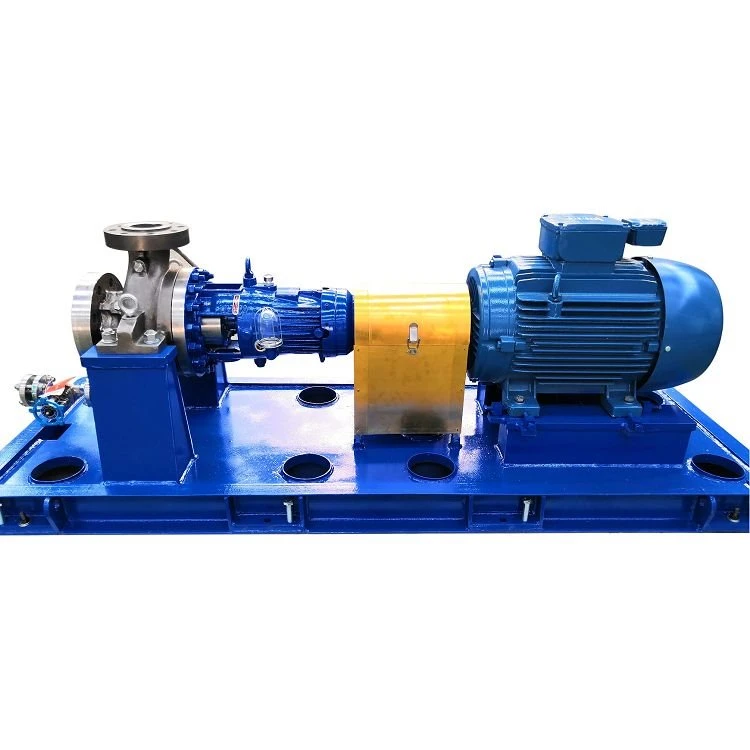
To address the challenges of using industrial pumps in explosive environments, manufacturers have developed a range of solutions. One of the most common solutions is the use of explosion-proof pumps. These pumps are designed to contain any explosion that may occur within the pump housing, preventing it from spreading to the surrounding environment.
Explosion-proof pumps are typically constructed with a robust housing that is capable of withstanding the pressure generated by an internal explosion. They also feature special seals and gaskets to prevent the escape of flammable gases or vapors. In addition, explosion-proof pumps are often equipped with safety devices, such as pressure relief valves and temperature sensors, to monitor and control the operation of the pump.
Another solution is the use of intrinsically safe pumps. These pumps are designed to operate with low energy levels, reducing the risk of ignition. Intrinsically safe pumps are typically used in areas where the risk of explosion is relatively low, but where the presence of flammable substances still requires special precautions.
Considerations When Selecting Industrial Pumps for Explosive Environments
When selecting an industrial pump for use in an explosive environment, there are several factors to consider. Firstly, the pump must be certified for use in the specific explosive atmosphere in which it will be operating. This certification is typically provided by a recognized testing agency, such as UL (Underwriters Laboratories) or ATEX (Atmosphères Explosibles).
Secondly, the pump must be selected based on the specific requirements of the application. This includes factors such as the type of fluid being pumped, the flow rate, the pressure, and the temperature. For example, if the fluid being pumped is corrosive, a pump made from a corrosion-resistant material, such as stainless steel, may be required.
Thirdly, the pump must be installed and maintained in accordance with the manufacturer's recommendations. This includes following proper installation procedures, conducting regular inspections, and performing maintenance tasks on a timely basis.
Examples of Industrial Pumps for Explosive Environments
There are several types of industrial pumps that are suitable for use in explosive environments. One example is the Centrifugal Sea Water Pump, which is commonly used in the oil and gas industry for pumping sea water for cooling and other purposes. Centrifugal sea water pumps are designed to be highly efficient and reliable, and they can be equipped with explosion-proof or intrinsically safe features to ensure safe operation in explosive environments.
Another example is the diaphragm pump, which is often used in the chemical industry for pumping corrosive and hazardous fluids. Diaphragm pumps are known for their ability to handle a wide range of fluids and their low maintenance requirements. They can also be designed to be explosion-proof or intrinsically safe, making them suitable for use in explosive environments.
Conclusion
In conclusion, industrial pumps can be used in explosive environments, but only if they are properly designed, certified, and maintained. By understanding the challenges, solutions, and considerations associated with using industrial pumps in explosive atmospheres, you can make an informed decision when selecting a pump for your application.
If you are in the market for an industrial pump for use in an explosive environment, I encourage you to contact us. Our team of experts can help you select the right pump for your specific needs and provide you with the support and guidance you need to ensure its safe and efficient operation. We are committed to providing high-quality products and services that meet the highest standards of safety and reliability.
References
- "Explosion Protection for Electrical Equipment in Hazardous Areas." International Electrotechnical Commission (IEC).
- "Pump Selection Guide for Hazardous Environments." Hydraulic Institute.
- "Safety Standards for Industrial Pumps in Explosive Atmospheres." Underwriters Laboratories (UL).