A pump impeller is a crucial component in a wide range of pumping systems, serving as the heart that drives fluid movement. As a dedicated pump impeller supplier, I am excited to delve into the fascinating world of how a pump impeller works and its significance in various applications.
The Basics of a Pump Impeller
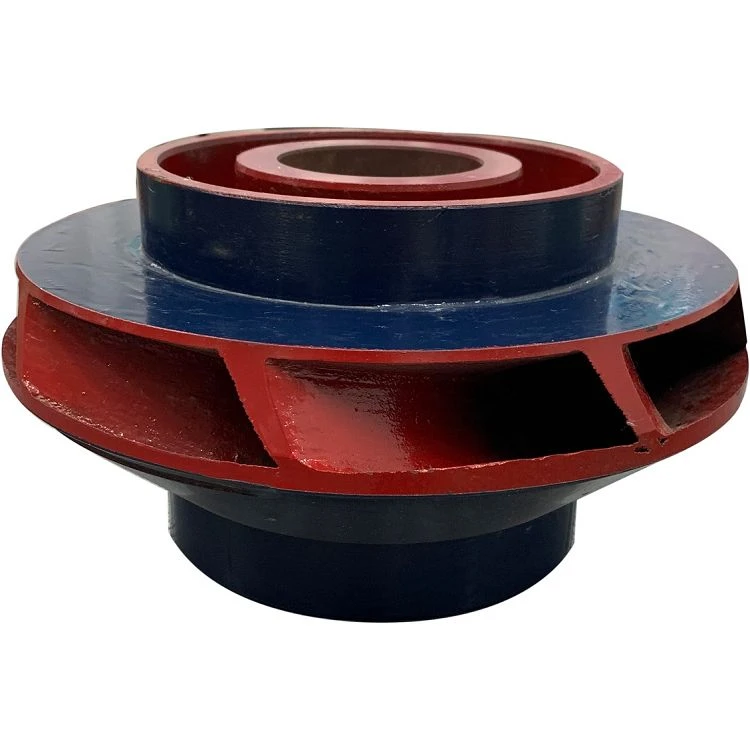
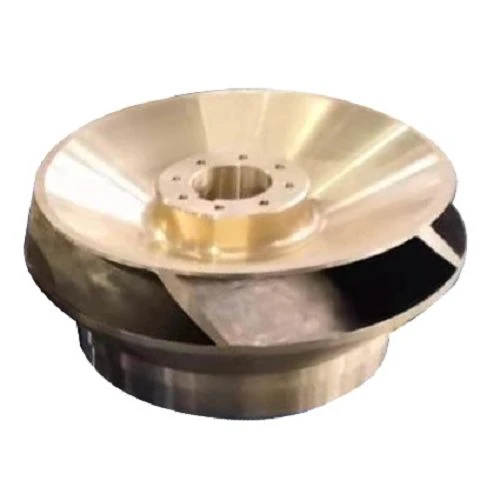
At its core, a pump impeller is a rotating component with vanes or blades that are designed to transfer energy to a fluid. When the impeller rotates, it imparts kinetic energy to the fluid, causing it to move from the inlet to the outlet of the pump. This energy transfer is what enables pumps to perform tasks such as moving water, chemicals, and other fluids in industrial, commercial, and residential settings.
The Working Principle of a Pump Impeller
The working principle of a pump impeller can be explained through the following steps:
1. Fluid Inlet
The process begins when the fluid enters the pump through the inlet. The design of the inlet is crucial as it needs to ensure a smooth and efficient flow of fluid into the impeller. Once the fluid reaches the impeller, it comes into contact with the vanes.
2. Energy Transfer
As the impeller rotates at high speed, the vanes of the impeller push the fluid outward. This action increases the fluid's velocity and kinetic energy. The shape and angle of the vanes are carefully engineered to optimize the energy transfer process. Different types of impellers, such as radial, axial, and mixed - flow impellers, have distinct vane designs to suit specific fluid flow requirements.
- Radial Impellers: In a radial impeller, the fluid enters the impeller axially (parallel to the axis of rotation) and is discharged radially (perpendicular to the axis of rotation). The vanes in a radial impeller are typically curved backward. This design allows for high - pressure generation, making radial impellers suitable for applications where high head (pressure) is required, such as in water supply systems and some industrial processes.
- Axial Impellers: Axial impellers, on the other hand, move the fluid parallel to the axis of rotation. The vanes in an axial impeller are designed to create a propeller - like effect. These impellers are known for their high flow rates at relatively low heads. They are commonly used in applications such as cooling towers and large - scale water circulation systems.
- Mixed - Flow Impellers: Mixed - flow impellers combine the characteristics of radial and axial impellers. The fluid enters axially and is discharged at an angle between radial and axial directions. Mixed - flow impellers offer a balance between high flow rates and moderate heads, making them suitable for a wide range of applications, including irrigation and some industrial pumping tasks.
3. Pressure Increase
As the fluid gains kinetic energy from the rotating impeller, it also experiences an increase in pressure. According to Bernoulli's principle, as the fluid's velocity increases in the impeller, its pressure decreases within the impeller. However, as the fluid exits the impeller and enters the volute or diffuser of the pump, the velocity of the fluid is converted back into pressure energy. The volute or diffuser is a stationary component that surrounds the impeller and is designed to gradually slow down the fluid and increase its pressure.
4. Fluid Discharge
Finally, the high - pressure fluid is discharged from the pump through the outlet. The outlet is connected to the piping system where the fluid will be transported to its intended destination.
Materials Used in Pump Impellers
The choice of material for a pump impeller is critical as it needs to withstand the physical and chemical properties of the fluid being pumped. Here are some common materials used in pump impellers:
- Bronze Pump Impeller: Bronze is a popular choice for pump impellers due to its excellent corrosion resistance and high strength. Bronze Pump Impeller is suitable for applications where the fluid contains corrosive substances, such as seawater and some chemicals. Bronze impellers also have good wear resistance, which helps to extend their service life.
- Stainless Steel Pump Impeller: Stainless steel is known for its superior corrosion resistance and durability. Stainless Steel Pump Impeller is often used in applications where hygiene is a concern, such as in the food and beverage industry and pharmaceutical manufacturing. It can also withstand high - temperature and high - pressure environments.
- Cast Iron Pump Impeller: Cast iron is a cost - effective option for pump impellers. Cast Iron Pump Impeller is commonly used in applications where the fluid is relatively clean and non - corrosive, such as in water supply and some general industrial pumping tasks. However, cast iron impellers may be prone to corrosion in certain environments, so proper coating or lining may be required.
Factors Affecting Pump Impeller Performance
Several factors can affect the performance of a pump impeller:
1. Impeller Design
The design of the impeller, including the number of vanes, vane shape, and impeller diameter, has a significant impact on the pump's performance. A well - designed impeller can maximize energy transfer and minimize losses, resulting in higher efficiency and better performance.
2. Rotational Speed
The rotational speed of the impeller directly affects the fluid's velocity and the amount of energy transferred. Higher rotational speeds generally result in higher flow rates and pressures, but they also increase the power consumption of the pump. Therefore, the rotational speed needs to be carefully selected based on the specific application requirements.
3. Fluid Properties
The properties of the fluid being pumped, such as viscosity, density, and temperature, can also affect the impeller's performance. For example, a more viscous fluid requires more energy to move, which may reduce the pump's efficiency. Similarly, high - temperature fluids can cause thermal expansion and affect the clearances between the impeller and other pump components.
4. Wear and Damage
Over time, the impeller may experience wear and damage due to factors such as erosion, corrosion, and cavitation. Erosion occurs when solid particles in the fluid wear away the impeller surface, while corrosion is caused by chemical reactions between the impeller material and the fluid. Cavitation is a phenomenon where vapor bubbles form and collapse in the fluid, causing damage to the impeller surface. Regular maintenance and inspection are essential to detect and address wear and damage issues.
Importance of a High - Quality Pump Impeller
Using a high - quality pump impeller is crucial for several reasons:
- Efficiency: A well - designed and properly manufactured impeller can significantly improve the pump's efficiency, reducing energy consumption and operating costs.
- Reliability: High - quality impellers are more resistant to wear and damage, which means less downtime for maintenance and repair. This is especially important in critical applications where continuous operation is required.
- Performance: A high - quality impeller ensures consistent and reliable performance, meeting the specific flow rate and pressure requirements of the application.
Contact for Purchase and Consultation
If you are in need of a high - quality pump impeller for your specific application, I invite you to contact us. As a trusted pump impeller supplier, we offer a wide range of impellers made from different materials and designs to meet your diverse needs. Our team of experts can provide you with professional advice and guidance to help you select the most suitable impeller for your pumping system. Whether you are looking for a Bronze Pump Impeller, Stainless Steel Pump Impeller, or Cast Iron Pump Impeller, we have the solution for you.
References
- Karassik, I. J., Messina, J. P., Cooper, P. T., & Heald, C. C. (2008). Pump Handbook. McGraw - Hill.
- Stepanoff, A. J. (1957). Centrifugal and Axial Flow Pumps: Theory, Design, and Application. John Wiley & Sons.
- Gulich, J. F. (2010). Centrifugal Pumps. Springer.