Hey there! As a supplier of submersible motors, I've been in the thick of the motor industry for quite a while. One question that pops up a lot is, "How does a submersible motor differ from a regular motor?" Well, let's dive right in and break it down.
Design and Construction
First off, the design and construction of these two types of motors are worlds apart. A regular motor is built to operate in dry, well - ventilated environments. It's usually housed in a casing that's designed to protect it from dust and small debris, but it doesn't need to withstand water intrusion.
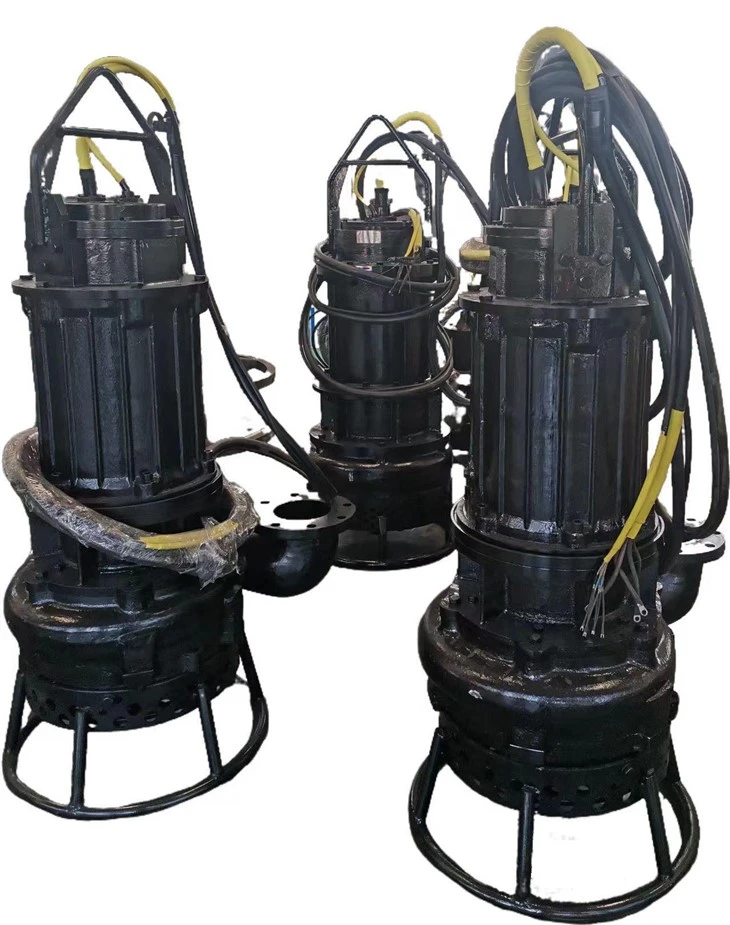
On the flip side, a submersible motor is engineered to be fully submerged in liquid, most commonly water. The casing of a submersible motor is hermetically sealed to prevent any water from getting inside. This is super important because if water were to enter the motor, it would cause short - circuits and quickly damage the motor.
The insulation materials used in submersible motors are also different. They need to be highly resistant to water and moisture. Specialized polymers and resins are often used to coat the windings of the motor, providing an extra layer of protection against the corrosive effects of water.
Cooling Mechanism
When it comes to cooling, regular motors rely on air circulation. They usually have fins on the outside of the casing to increase the surface area for heat dissipation. The movement of air over these fins helps to carry away the heat generated by the motor during operation.
Submersible motors, however, use the surrounding liquid as a cooling medium. Since they're submerged, the water (or other liquid) constantly absorbs the heat from the motor. This is a very efficient cooling method because liquids have a higher heat capacity than air. As a result, submersible motors can often handle higher power loads without overheating.
Power and Efficiency
In general, submersible motors tend to be more power - dense than regular motors. Because they're cooled more effectively, they can be designed to operate at higher power levels without the risk of overheating. This means that for a given physical size, a submersible motor can deliver more power.
Efficiency is another area where submersible motors shine. Since they don't need to use energy to drive a cooling fan (like many regular motors do), they can convert more of the electrical energy they consume into mechanical energy. This translates to lower energy costs over the long run.
Applications
The differences in design, cooling, and power also lead to different applications for these two types of motors. Regular motors are commonly used in industrial machinery, household appliances, and vehicles. They're great for any application where the motor can be kept dry and has access to plenty of air for cooling.
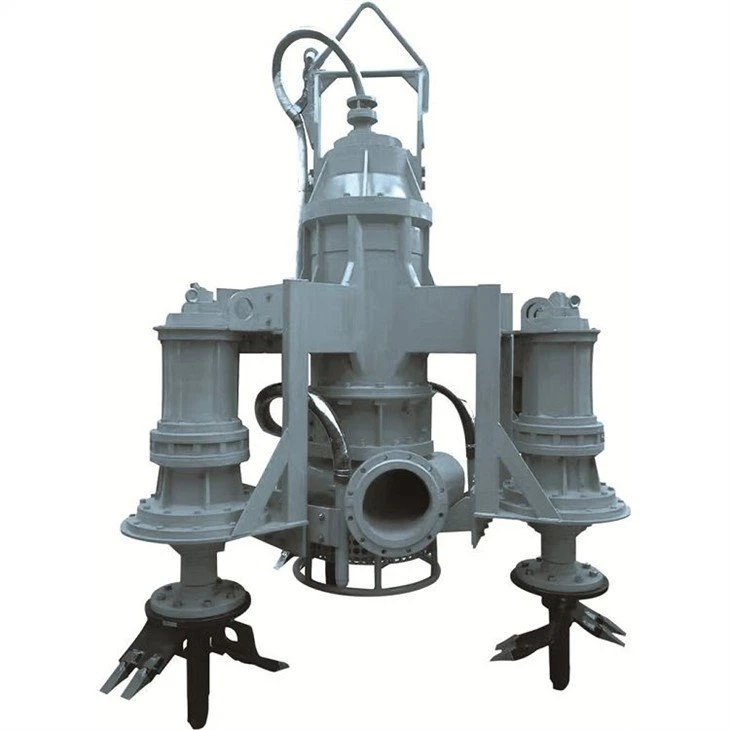
Submersible motors, on the other hand, are ideal for applications where the motor needs to be submerged. They're widely used in water pumps, such as Submersible Slurry Pump, Submersible Sewage Pump, and Mine Flameproof Submersible Sand Pump. These pumps are used in various industries, including mining, wastewater treatment, and agriculture.
Maintenance
Maintenance requirements for regular and submersible motors are also quite different. Regular motors need to have their air filters cleaned or replaced regularly to ensure proper air circulation. The bearings also need to be lubricated periodically to reduce friction and wear.
Submersible motors, because they're submerged, need to be inspected for leaks in the seal. Any small leak can lead to water ingress and damage the motor. The insulation resistance of the motor should also be checked regularly to make sure it's still providing adequate protection against electrical short - circuits.
Cost
When it comes to cost, submersible motors are generally more expensive than regular motors. The specialized design, high - quality insulation materials, and hermetic sealing all add to the manufacturing cost. However, when you factor in the long - term energy savings and the reliability of submersible motors in wet environments, the extra cost can often be justified.
Environmental Considerations
In terms of the environment, submersible motors can be more environmentally friendly. Their higher efficiency means they consume less electricity, which reduces the overall carbon footprint. Additionally, since they don't have a cooling fan, they produce less noise pollution.
Safety
Safety is a crucial aspect, especially when dealing with electrical equipment. Regular motors need to be installed in a well - ventilated area to prevent the build - up of heat and potentially explosive gases. They also need to be properly grounded to protect against electrical shocks.
Submersible motors, being submerged, have a different set of safety concerns. They need to be designed with additional safety features, such as over - current protection and leakage protection. These features help to prevent electrical accidents in wet environments.
Conclusion
So, as you can see, there are many differences between submersible motors and regular motors. From design and construction to applications and maintenance, each type of motor has its own unique characteristics.
If you're in the market for a motor and need it to operate in a wet environment, a submersible motor is definitely the way to go. And if you're looking for a reliable supplier of submersible motors, look no further. We've got a wide range of high - quality submersible motors that are built to last. Whether you need a motor for a Submersible Slurry Pump, Submersible Sewage Pump, or Mine Flameproof Submersible Sand Pump, we can help you find the perfect solution.
If you're interested in learning more about our products or have any questions, feel free to reach out. We're always happy to have a chat and discuss your specific needs. Let's start a conversation and see how we can work together to meet your motor requirements.
References
- "Motor Handbook" by Arnold Tustin
- "Electrical Machines and Drives" by Stephen J. Chapman
- Industry whitepapers on submersible and regular motor technology