Hey there! As a supplier of Sea Water Pump Parts Sea Water Pump Parts, I've seen firsthand how the material of these parts can make or break their durability. In this blog, I'm gonna dive deep into how different materials impact the lifespan of sea water pump parts.
Why Durability Matters in Sea Water Pumps
First off, let's talk about why durability is such a big deal when it comes to sea water pumps. Sea water is a harsh environment. It's full of salt, which is highly corrosive, and there are also all sorts of microorganisms and debris that can cause wear and tear on pump parts. A pump that breaks down frequently not only leads to costly repairs but also disrupts operations. Whether it's for a marine vessel, a desalination plant, or an offshore oil rig, a reliable sea water pump is essential.
Common Materials Used in Sea Water Pump Parts
Stainless Steel
Stainless steel is one of the most popular materials for sea water pump parts. It's known for its corrosion resistance, which is crucial in a salt - water environment. There are different grades of stainless steel, and the ones commonly used in pumps are 316 and 316L. These grades contain molybdenum, which enhances their resistance to pitting and crevice corrosion.
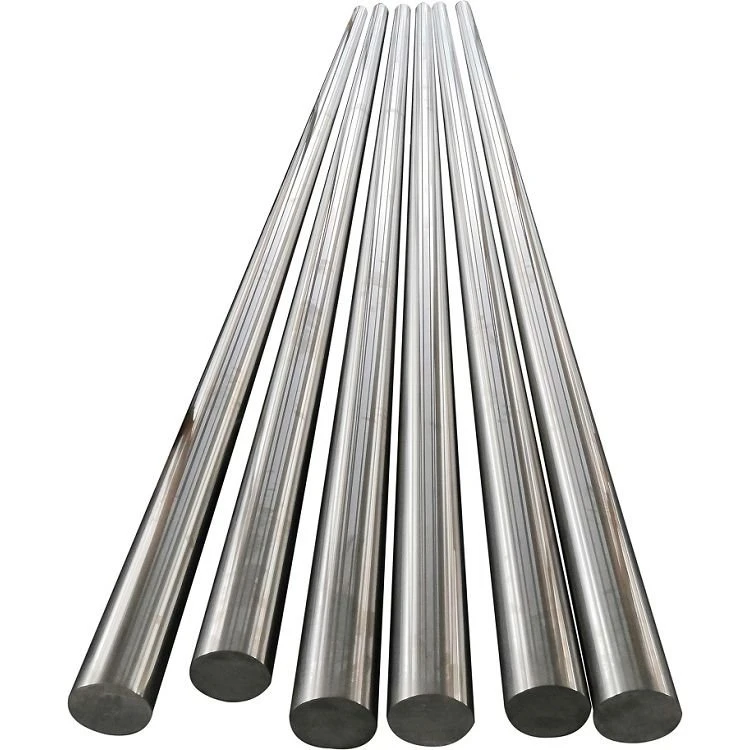
For example, a Pump Shaft Pump Shaft made of 316 stainless steel can withstand the constant exposure to sea water without rusting easily. However, it's not invincible. In areas with high levels of chloride ions or at elevated temperatures, even stainless steel can face some corrosion issues. Over time, small pits can form on the surface, which can eventually lead to the failure of the part.
Bronze
Bronze is another material that has been used in sea water pump parts for a long time. It has good corrosion resistance and is also relatively easy to machine. Phosphor bronze, in particular, is a popular choice. It has a high strength - to - weight ratio and is resistant to erosion - corrosion.
Bronze impellers are quite common in sea water pumps. They can handle the abrasive nature of sea water and the constant flow of water without wearing out too quickly. But bronze also has its limitations. It's more expensive than some other materials, and in some cases, it can be susceptible to dezincification, a process where zinc is selectively removed from the bronze alloy, weakening the part.
Titanium
Titanium is a super - star material when it comes to durability in sea water. It has excellent corrosion resistance, even in the most aggressive sea water conditions. Titanium forms a very thin, protective oxide layer on its surface, which prevents further corrosion.
Pump casings made of titanium can last for decades in sea water. However, the high cost of titanium is a major drawback. It's much more expensive than stainless steel or bronze, which makes it less accessible for some applications. Also, titanium is difficult to machine, which adds to the overall cost of manufacturing pump parts.
How Material Affects Different Pump Parts
Impellers
The impeller is one of the most critical parts of a sea water pump. It's responsible for transferring energy to the water and creating the flow. The material of the impeller directly affects its performance and durability.
A stainless - steel impeller is a cost - effective option. It can handle normal sea water conditions well, but in areas with a lot of sediment or debris, it may wear out faster. Bronze impellers are more resistant to abrasion, but as mentioned earlier, they can face dezincification issues. Titanium impellers, on the other hand, offer the best durability but at a high price.
Pump Casings
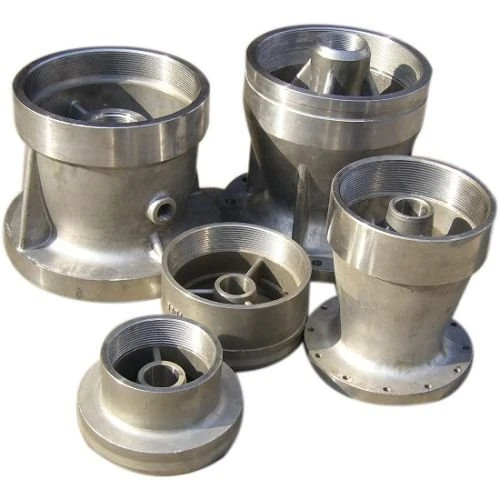
The pump casing encloses the impeller and other internal parts. It needs to be strong and corrosion - resistant to protect the pump's internals. Stainless - steel casings are widely used because they offer a good balance between cost and performance. They can withstand the pressure and the corrosive nature of sea water.
Bronze casings are also an option, especially for smaller pumps. They provide good corrosion resistance and are relatively easy to repair if damaged. Titanium casings are the most durable but are mainly used in high - end applications where long - term reliability is a must.
Seals
Seals are essential for preventing leakage in sea water pumps. The material of the seals needs to be resistant to both corrosion and the chemicals present in sea water. Rubber seals are commonly used, but they need to be made of a special type of rubber that can withstand sea water.
Some seals are made of a combination of materials, such as a rubber seal with a stainless - steel or bronze backing. This combination provides both flexibility and durability.
Factors to Consider When Choosing Materials
When choosing the material for sea water pump parts, there are several factors to consider.
Cost
Cost is always a major consideration. Stainless steel is generally the most cost - effective option, followed by bronze. Titanium is the most expensive. You need to balance the upfront cost with the long - term savings. A more expensive material may last longer, reducing the need for frequent replacements and repairs.
Operating Conditions
The specific operating conditions of the pump play a crucial role. If the pump is located in an area with high levels of pollution or a lot of sediment in the sea water, a more abrasion - resistant material may be required. Similarly, if the water temperature is high, the material needs to be able to withstand the heat without losing its properties.
Availability
The availability of the material is also important. Some materials may be difficult to source, especially in large quantities. This can lead to delays in production and higher costs.
Conclusion
In conclusion, the material of sea water pump parts has a huge impact on their durability. Each material has its own advantages and disadvantages, and the choice depends on various factors such as cost, operating conditions, and availability.
As a Sea Water Pump Parts supplier, I'm here to help you make the right choice for your specific needs. Whether you're looking for a cost - effective stainless - steel part or a high - end titanium component, I can provide you with the best options. If you're interested in purchasing sea water pump parts or have any questions about the materials, feel free to reach out for a discussion. Let's work together to ensure your sea water pumps are reliable and long - lasting.
References
- ASM Handbook Volume 13A: Corrosion: Fundamentals, Testing, and Protection
- Marine Engineering Manual, various editions