Hey there! As a supplier of centrifugal pumps, I've seen firsthand how crucial it is to adjust these pumps correctly for high - altitude applications. In this blog, I'll share some tips on how to do just that.
First off, let's talk about why high - altitude applications are different. At high altitudes, the atmospheric pressure is lower. You might already know that atmospheric pressure plays a big role in how a centrifugal pump works. The pump relies on the difference between the atmospheric pressure and the pressure inside the pump to draw in fluid. When you're at a high altitude, the lower atmospheric pressure can cause some issues.
One of the main problems is cavitation. Cavitation occurs when the pressure in the pump drops below the vapor pressure of the fluid. When this happens, vapor bubbles form in the fluid. As these bubbles move to areas of higher pressure within the pump, they collapse, creating shockwaves that can damage the pump's impeller and other components. To avoid cavitation at high altitudes, you need to make some adjustments.
Impeller Selection
The impeller is a key part of the centrifugal pump. It's responsible for imparting energy to the fluid. For high - altitude applications, you might need to choose an impeller with a larger diameter. A larger impeller can generate more head (pressure) at a given speed. This helps to compensate for the lower atmospheric pressure and reduces the risk of cavitation.
We offer a variety of impellers for different types of centrifugal pumps. For example, our Vertical Multistage Pump comes with impellers that can be customized for high - altitude use. These impellers are designed to work efficiently in low - pressure environments.
Speed Adjustment
Another important factor is the pump's speed. In general, you can increase the speed of the pump to generate more head. However, you need to be careful not to exceed the pump's maximum speed rating. Running the pump too fast can cause excessive wear and tear on the components and increase the risk of mechanical failure.
A good rule of thumb is to gradually increase the speed and monitor the pump's performance. You can use a pressure gauge to measure the head and a flow meter to measure the flow rate. By adjusting the speed, you can find the optimal operating point for your high - altitude application.
NPSH Considerations
Net Positive Suction Head (NPSH) is a critical parameter for centrifugal pumps. It represents the amount of pressure available at the pump's suction inlet to prevent cavitation. At high altitudes, the available NPSH decreases due to the lower atmospheric pressure.
You need to calculate the required NPSH for your pump and compare it with the available NPSH at the installation site. If the available NPSH is lower than the required NPSH, you'll need to take some measures. One option is to install the pump at a lower elevation to increase the static head. Another option is to use a booster pump to increase the pressure at the suction inlet.
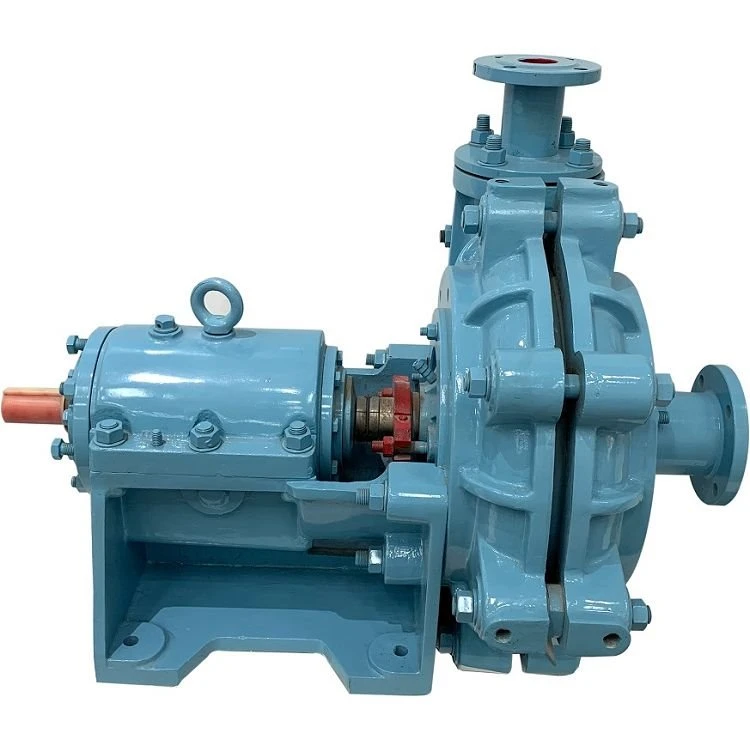
Our Slurry Pump is designed with NPSH requirements in mind. We can provide you with detailed NPSH calculations and recommendations to ensure proper operation at high altitudes.
Material Selection
The materials used in the pump also matter, especially in high - altitude applications. The lower atmospheric pressure and potentially harsher environmental conditions can accelerate corrosion and wear.
For the pump casing and impeller, you might want to choose materials that are more resistant to corrosion. Stainless steel is a popular choice as it offers good corrosion resistance and durability. In addition, the seals and gaskets should be made of materials that can withstand the lower pressure and temperature variations at high altitudes.
Installation and Maintenance
Proper installation is crucial for the performance of the centrifugal pump at high altitudes. Make sure the pump is installed on a stable foundation to prevent vibrations. The suction and discharge pipes should be properly sized and aligned to minimize pressure losses.
Regular maintenance is also essential. Check the pump's components regularly for signs of wear, corrosion, and damage. Replace any worn - out parts promptly to avoid further problems.
Testing and Commissioning
Before putting the pump into full - scale operation, it's important to conduct thorough testing and commissioning. Run the pump at different speeds and flow rates to ensure it's operating within the desired parameters. Check for any signs of cavitation, leaks, or abnormal vibrations.
We can provide on - site testing and commissioning services to make sure your pump is working perfectly for your high - altitude application. Our team of experts will monitor the pump's performance and make any necessary adjustments.
Conclusion
Adjusting a centrifugal pump for high - altitude applications requires careful consideration of several factors, including impeller selection, speed adjustment, NPSH requirements, material selection, installation, and maintenance. By following these tips, you can ensure that your pump operates efficiently and reliably at high altitudes.
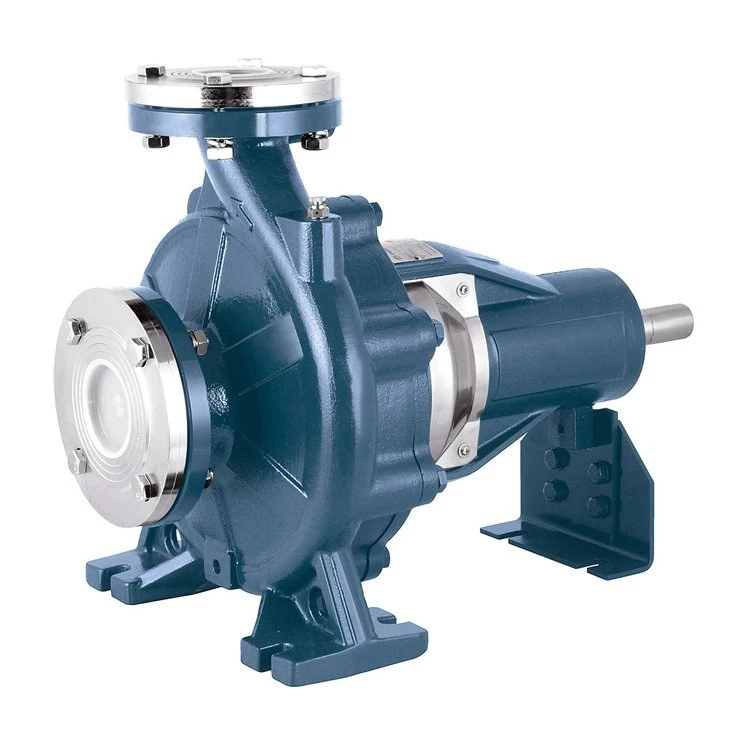
If you're in the market for a centrifugal pump for high - altitude applications, we're here to help. We offer a wide range of pumps, including End Suction Centrifugal Pump, that can be customized to meet your specific needs. Contact us today to discuss your requirements and let's start a great partnership!
References
- Pump Handbook, Karassik et al.
- Centrifugal Pumps: Design and Application, Heinz P. Bloch