Analyzing the dynamic characteristics of a pump shaft is a crucial aspect for ensuring the efficient and reliable operation of pumps. As a Pump Shaft supplier, I understand the significance of this analysis in delivering high - quality products to our customers. In this blog, I will share some key methods and considerations for analyzing the dynamic characteristics of a pump shaft.
1. Understanding the Basics of Pump Shaft Dynamic Characteristics
The dynamic characteristics of a pump shaft mainly refer to its behavior under various operating conditions, including vibration, stress distribution, and critical speed. Vibration is one of the most important factors as excessive vibration can lead to premature wear of bearings, seals, and other components, and may even cause the pump to fail. Stress distribution within the shaft determines its mechanical integrity. If the stress exceeds the material's strength, the shaft may crack or break. Critical speed is the rotational speed at which the shaft experiences resonance, which can cause extremely high vibration amplitudes.
2. Modeling the Pump Shaft
Before conducting any analysis, it is necessary to create an accurate model of the pump shaft. This can be done using finite element analysis (FEA) software. FEA allows us to simulate the physical behavior of the shaft under different loads and boundary conditions.
2.1 Geometric Modeling
First, we need to define the geometry of the pump shaft. This includes the diameter, length, and any keyways, shoulders, or other features. The more accurate the geometric model, the more reliable the analysis results will be. For example, if there are keyways on the shaft, they can significantly affect the stress distribution, so their dimensions and positions must be precisely modeled.
2.2 Material Properties
The material properties of the shaft, such as Young's modulus, Poisson's ratio, and density, are also essential inputs for the model. Different materials have different mechanical properties, which will influence the dynamic behavior of the shaft. For instance, a shaft made of stainless steel will have different vibration characteristics compared to a shaft made of carbon steel.
3. Analyzing Vibration Characteristics
Vibration analysis is a fundamental part of understanding the dynamic characteristics of a pump shaft.
3.1 Modal Analysis
Modal analysis is used to determine the natural frequencies and mode shapes of the pump shaft. Natural frequencies are the frequencies at which the shaft will vibrate freely when excited. Mode shapes describe the pattern of vibration at each natural frequency. By comparing the natural frequencies with the operating speeds of the pump, we can identify potential resonance problems.
In FEA software, we can perform a modal analysis by applying appropriate boundary conditions, such as fixed supports at the bearings. The software will then calculate the natural frequencies and mode shapes. For example, if the first natural frequency of the shaft is close to the operating speed of the pump, resonance may occur, leading to excessive vibration.
3.2 Forced Vibration Analysis
Forced vibration analysis takes into account the external forces acting on the shaft, such as unbalanced forces from the impeller. These unbalanced forces can cause the shaft to vibrate at frequencies related to the rotational speed of the pump. By simulating the forced vibration, we can predict the vibration amplitudes and determine whether they are within acceptable limits.
4. Stress Analysis
Stress analysis helps us understand how the pump shaft will withstand the loads during operation.
4.1 Static Stress Analysis
Static stress analysis calculates the stress distribution in the shaft under static loads, such as the weight of the impeller and the forces from the bearings. This analysis can identify areas of high stress, which are potential failure points. For example, the shoulders of the shaft where the diameter changes suddenly are often areas of high stress concentration.
4.2 Dynamic Stress Analysis
Dynamic stress analysis considers the additional stresses caused by vibration and other dynamic loads. These stresses can be much higher than the static stresses and may lead to fatigue failure over time. By analyzing the dynamic stresses, we can design the shaft to have sufficient fatigue life.
5. Critical Speed Analysis
Critical speed analysis is crucial for ensuring the safe operation of the pump shaft. The critical speed of a shaft depends on its length, diameter, material properties, and the support conditions.
5.1 First - Order Critical Speed
The first - order critical speed is the lowest rotational speed at which resonance can occur. It is important to ensure that the operating speed of the pump is well below the first - order critical speed to avoid excessive vibration. There are analytical methods, such as the Rayleigh - Ritz method, to calculate the first - order critical speed. However, FEA provides a more accurate and comprehensive way to analyze critical speeds, especially for complex shaft geometries.
5.2 Higher - Order Critical Speeds
In addition to the first - order critical speed, there are also higher - order critical speeds. Although the operating speed of the pump is usually designed to avoid the first - order critical speed, it is also necessary to consider the higher - order critical speeds, as they may still cause problems under certain conditions.
6. Experimental Validation
After performing the theoretical analysis, it is necessary to validate the results through experiments.
6.1 Vibration Testing
Vibration testing involves measuring the vibration of the pump shaft during operation using accelerometers. By comparing the measured vibration data with the analysis results, we can verify the accuracy of the model. If there are significant differences, we need to re - evaluate the model and make necessary adjustments.
6.2 Strain Gauge Testing
Strain gauge testing can be used to measure the stress in the shaft. Strain gauges are attached to the surface of the shaft, and they can measure the strain, which can then be converted into stress. This experimental data can also be used to validate the stress analysis results.
7. Importance for Our Business as a Pump Shaft Supplier
As a Pump Shaft supplier, accurate analysis of the dynamic characteristics of the pump shaft is of great importance. It allows us to design and manufacture high - quality pump shafts that meet the specific requirements of our customers. By ensuring that the pump shafts have good dynamic characteristics, we can reduce the risk of pump failures, improve the reliability of the pumps, and enhance customer satisfaction.
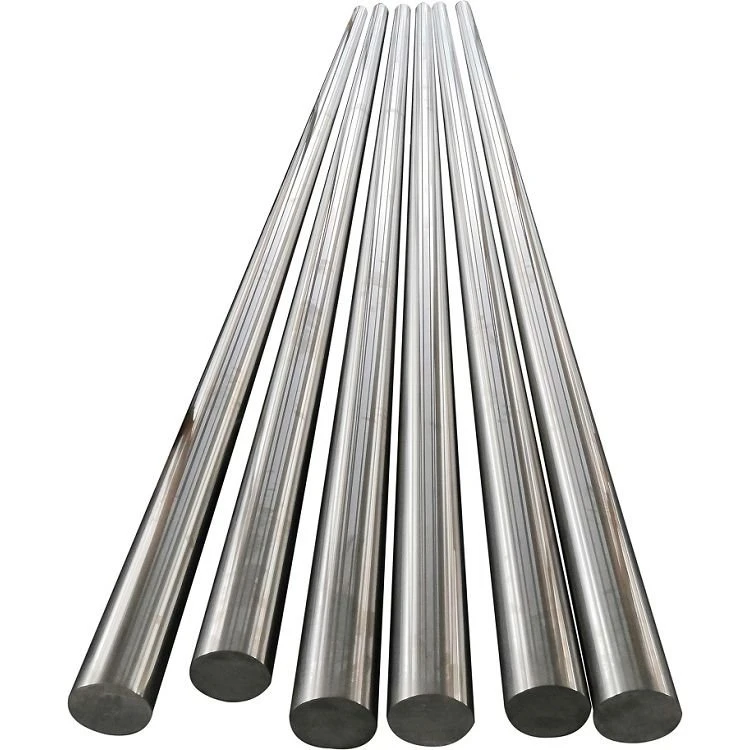
We offer a wide range of Pump Shaft products, including those suitable for Sea Water Pump Parts. Our experienced engineering team uses the latest analysis methods and software to ensure the performance of our pump shafts. Whether you need a standard pump shaft or a custom - designed one, we can provide you with the best solutions.
If you are in the market for high - quality pump shafts, we encourage you to contact us for procurement and further discussions. Our team of experts is ready to assist you in selecting the most suitable pump shaft for your application and answering any questions you may have.
References
- Meirovitch, L. (1997). Elements of Vibration Analysis. McGraw - Hill.
- Shigley, J. E., & Mischke, C. R. (2001). Mechanical Engineering Design. McGraw - Hill.
- Blevins, R. D. (1979). Formulas for Natural Frequency and Mode Shape. Van Nostrand Reinhold.