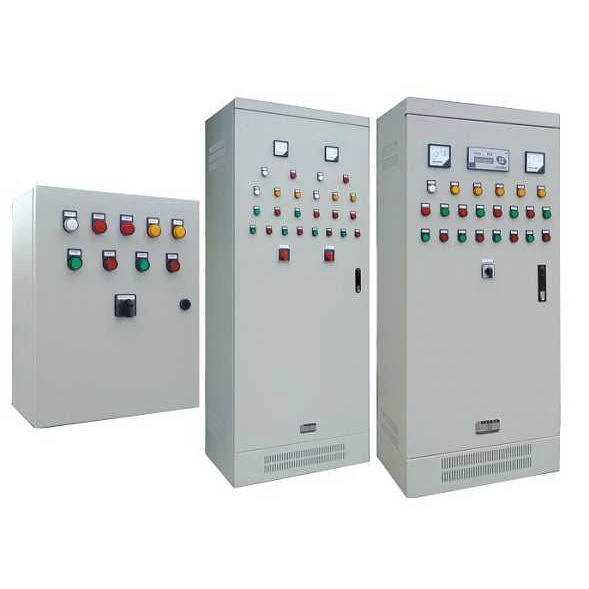
As a supplier of Pump Control Panel, ensuring the proper grounding of a pump control panel is crucial for both safety and optimal performance. In this blog post, I'll share some detailed steps on how to check the grounding of a pump control panel.
Why Grounding Matters
Before diving into the checking process, it's essential to understand why grounding is so important. Grounding provides a safe path for electrical current in case of a fault. In a pump control panel, electrical components are constantly in operation, and there's always a risk of electrical leakage. A proper ground connection helps prevent electrical shocks to personnel and protects the equipment from damage due to electrical surges.
Tools You'll Need
To check the grounding of a pump control panel, you'll need the following tools:
- Multimeter: This is used to measure electrical resistance, voltage, and current. Make sure it's set to the appropriate range for resistance measurement.
- Grounding Tester: A specialized tool designed to measure the grounding resistance more accurately.
- Screwdriver Set: To open the control panel and access the grounding connections.
- Safety Gear: This includes insulated gloves, safety glasses, and appropriate footwear to protect yourself from electrical hazards.
Step 1: Power Off and Safety Precautions
The first and most important step is to turn off the power supply to the pump control panel. Locate the main circuit breaker or disconnect switch and switch it off. This prevents any accidental electrical shocks during the testing process. Once the power is off, use a voltage tester to double - check that there is no electrical current present in the panel.
Step 2: Visual Inspection
Open the pump control panel using the appropriate screwdriver. Carefully inspect the grounding connections for any signs of damage, corrosion, or loose wires. Look for frayed insulation on the grounding conductors, as this can compromise the grounding integrity. Check if the grounding wire is securely fastened to the grounding terminal in the panel and to the ground rod or grounding system outside.
Step 3: Measuring Grounding Resistance
Using a Multimeter
Set your multimeter to the resistance (ohms) setting. Connect one probe of the multimeter to the grounding terminal in the pump control panel and the other probe to a known good ground point, such as a water pipe that is properly grounded. A low resistance reading (ideally less than 5 ohms) indicates a good grounding connection. However, multimeters may not be as accurate as dedicated grounding testers, especially in complex electrical systems.
Using a Grounding Tester
A grounding tester provides a more accurate measurement of the grounding resistance. Follow the manufacturer's instructions for the specific grounding tester you are using. Generally, you'll need to connect the tester to the grounding terminal in the panel and to the ground electrode. The tester will then send a test current through the grounding system and measure the resistance.
Step 4: Checking the Grounding Electrode
The grounding electrode, usually a ground rod driven into the earth, is an essential part of the grounding system. Check the condition of the ground rod. It should be firmly driven into the ground and have good contact with the soil. If the ground rod is corroded or damaged, it may need to be replaced.
You can also measure the resistance between the ground rod and a distant ground point to ensure that the ground rod is providing an effective path to the earth. A high resistance reading may indicate that the ground rod needs to be driven deeper or that additional ground rods need to be installed.
Step 5: Testing the Bonding
In addition to the main grounding connection, the pump control panel may have other metal components that need to be bonded together. Bonding ensures that all metal parts are at the same electrical potential, reducing the risk of electrical arcing. Use a multimeter to check the continuity between different metal components in the panel, such as the enclosure, the mounting brackets, and the electrical conduits. A low resistance reading (close to zero ohms) indicates a good bond.
Step 6: Documentation and Follow - Up
After completing the grounding check, document the results. Record the measured grounding resistance, any observations of damage or corrosion, and any actions taken, such as tightening loose connections or replacing a damaged ground rod. Keep this documentation on file for future reference and for compliance with safety regulations.
Regularly schedule follow - up grounding checks to ensure that the grounding system remains in good condition over time. Factors such as soil moisture, temperature changes, and vibration can affect the grounding resistance, so periodic testing is necessary.
Troubleshooting Common Grounding Issues
If you encounter a high grounding resistance reading, there are several possible causes:
- Poor Soil Contact: The ground rod may not be making good contact with the soil. Try adding water to the soil around the ground rod to improve conductivity or drive the rod deeper.
- Corroded Grounding Connections: Clean or replace corroded grounding wires and terminals. Use anti - corrosion compounds to prevent future corrosion.
- Inadequate Grounding System: If the measured resistance is consistently high, you may need to install additional ground rods or upgrade the grounding system.
Importance of Professional Assistance
While it's possible to perform basic grounding checks on your own, it's often advisable to seek the assistance of a professional electrician, especially for large or complex pump control panels. A professional electrician has the expertise and specialized equipment to accurately diagnose and fix grounding problems. They can also ensure that the grounding system complies with all relevant electrical codes and safety standards.
Conclusion
Checking the grounding of a pump control panel is a critical task that should not be overlooked. By following the steps outlined in this blog post, you can ensure that your pump control panel is properly grounded, reducing the risk of electrical hazards and improving the reliability of your pumping system.
If you're in the market for a high - quality Pump Control Panel, or if you have any questions about grounding or other aspects of pump control panels, don't hesitate to reach out. We're here to provide you with the best products and expert advice to meet your needs. Contact us today to start a procurement discussion and find the perfect pump control panel solution for your project.
References
- National Electrical Code (NEC)
- IEEE Standard 80 - Guide for Safety in AC Substation Grounding
- Manufacturer's manuals for pump control panels and grounding testers