When it comes to the efficient operation of a pump, the impeller is undoubtedly one of the most critical components. As a pump impeller supplier with years of experience in the industry, I've witnessed firsthand the impact that the right impeller can have on pump performance. In this blog post, I'll share some insights on how to choose the right pump impeller for your specific needs.
Understanding the Basics of Pump Impellers
Before delving into the selection process, it's essential to understand what a pump impeller is and how it works. A pump impeller is a rotating component with vanes or blades that transfers energy from the motor to the fluid being pumped. As the impeller rotates, it creates a centrifugal force that moves the fluid from the center of the impeller to the outer edge, increasing its velocity and pressure.
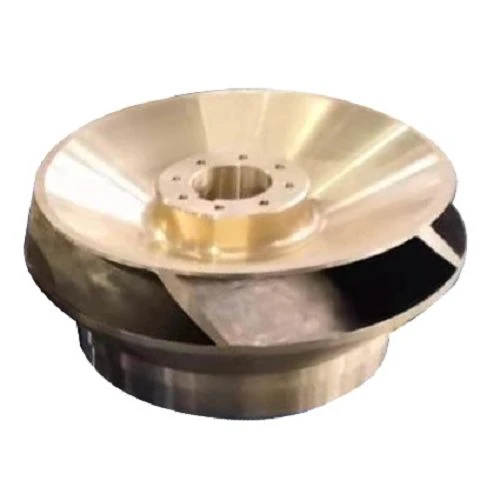
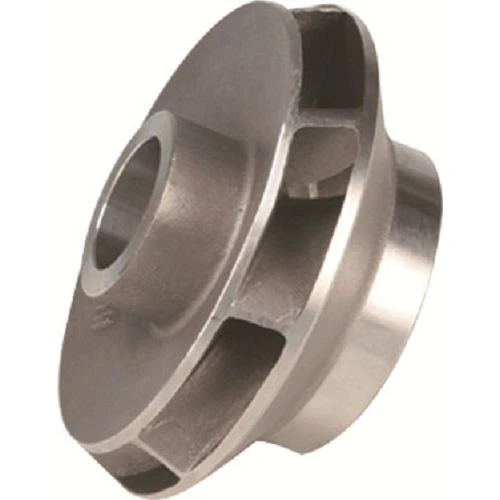
There are several types of pump impellers, each designed for specific applications. The most common types include:
- Open impellers: These impellers have vanes that are exposed on one side and are typically used in applications where the fluid contains solids or debris. Open impellers are less efficient than other types but are more resistant to clogging.
- Semi - open impellers: Semi - open impellers have a back shroud that covers part of the vanes. They offer a balance between efficiency and solids handling capabilities and are commonly used in wastewater and slurry pumping applications.
- Closed impellers: Closed impellers have shrouds on both sides of the vanes, which makes them more efficient than open and semi - open impellers. They are suitable for clean fluid applications where high efficiency is required.
Factors to Consider When Choosing a Pump Impeller
1. Fluid Characteristics
The nature of the fluid being pumped is one of the most important factors in impeller selection.
- Viscosity: Viscous fluids require impellers that can generate enough force to move the fluid. In general, impellers with larger diameters and wider vanes are better suited for viscous fluids. For example, when pumping oil or syrup, a pump with an appropriate impeller design can ensure smooth and efficient operation.
- Solids content: If the fluid contains solids, such as sand, sludge, or debris, an open or semi - open impeller is usually the best choice. These impellers are less likely to clog compared to closed impellers. For instance, in a wastewater treatment plant, open impellers are commonly used to handle the solid - laden wastewater.
- Corrosiveness: For corrosive fluids, such as acids or alkalis, the material of the impeller is crucial. Bronze Pump Impeller, Cast Iron Pump Impeller, and Stainless Steel Pump Impeller are some of the options available. Stainless steel impellers are highly resistant to corrosion and are often used in chemical processing plants.
2. Pump Performance Requirements
- Flow rate: The required flow rate of the pump is a key consideration. The impeller diameter and vane design can affect the flow rate. A larger impeller diameter generally results in a higher flow rate, but it also requires more power. You need to select an impeller that can meet your desired flow rate while maintaining an acceptable level of efficiency.
- Head (pressure): Head refers to the height or pressure that the pump needs to overcome to move the fluid. Impellers with more vanes and a steeper vane angle can generate higher heads. When pumping water to a high - rise building or in a high - pressure industrial process, an impeller designed for high - head applications is necessary.
3. Pump Type
Different types of pumps require different impeller designs.
- Centrifugal pumps: Centrifugal pumps are the most common type of pumps, and they rely on the centrifugal force generated by the impeller to move the fluid. The impeller design for centrifugal pumps can vary depending on the specific application, such as single - stage or multi - stage pumps.
- Positive displacement pumps: Positive displacement pumps work by trapping a fixed amount of fluid and then forcing it into the discharge pipe. While impellers are not the primary component in positive displacement pumps, in some hybrid designs, the impeller may play a role in pre - pressurizing the fluid.
4. Operating Conditions
- Temperature: High - temperature fluids can cause the impeller material to expand and may affect its performance. You need to choose an impeller material that can withstand the operating temperature. For example, in a geothermal power plant, where the fluid temperature can be very high, special high - temperature resistant impellers are required.
- Speed: The rotational speed of the pump motor affects the impeller's performance. Higher speeds can increase the flow rate and head, but they also put more stress on the impeller. It's important to ensure that the impeller is designed to operate at the specified speed without experiencing excessive wear or vibration.
Material Selection for Pump Impellers
The material of the impeller is closely related to its performance and durability.
- Bronze: Bronze impellers are known for their good corrosion resistance and mechanical properties. They are suitable for applications where the fluid is slightly corrosive, such as in marine environments or some water treatment processes.
- Cast iron: Cast iron impellers are cost - effective and have good strength. They are commonly used in general - purpose water pumping applications. However, they are not as corrosion - resistant as some other materials, so they may not be suitable for highly corrosive fluids.
- Stainless steel: Stainless steel impellers offer excellent corrosion resistance and are suitable for a wide range of applications, including chemical processing, food and beverage production, and pharmaceutical industries. They can withstand harsh chemicals and high - temperature environments.
The Importance of Compatibility
It's crucial to ensure that the impeller is compatible with the pump casing and other components. An incompatible impeller can lead to reduced efficiency, increased wear, and even pump failure. When replacing an impeller, make sure to follow the manufacturer's specifications and guidelines.
Customization Options
In some cases, standard impellers may not meet your specific requirements. As a pump impeller supplier, we offer customization services. We can design and manufacture impellers based on your unique fluid characteristics, pump performance requirements, and operating conditions. Whether you need an impeller with a special vane design or a custom - made material, we can work with you to find the best solution.
Conclusion
Choosing the right pump impeller is a complex process that requires careful consideration of various factors, including fluid characteristics, pump performance requirements, pump type, operating conditions, and material selection. By taking the time to evaluate these factors and working with a reliable pump impeller supplier, you can ensure that your pump operates efficiently and reliably.
If you're in the market for a pump impeller or need more information on impeller selection, don't hesitate to reach out to us. We have a team of experts who can assist you in finding the perfect impeller for your application. Contact us today to start the procurement discussion and take your pump performance to the next level.
References
- Karassik, I. J., Messina, R. S., Cooper, P. T., & Heald, C. C. (2008). Pump Handbook (4th ed.). McGraw - Hill.
- Stepanoff, A. J. (1957). Centrifugal and Axial Flow Pumps: Theory, Design, and Application. Wiley.