Identifying different pump parts is a crucial skill, whether you're a professional in the pumping industry, a maintenance technician, or someone looking to understand the inner workings of pumps. As a pump parts supplier, I've had the privilege of working with a wide range of pump components and have gained valuable insights into their identification. In this blog post, I'll share some tips and techniques to help you identify different pump parts accurately.
Understanding the Basics of Pump Systems
Before diving into the identification of individual pump parts, it's essential to have a basic understanding of how a pump system works. A pump is a mechanical device that moves fluids (liquids or gases) by mechanical action. The most common types of pumps include centrifugal pumps, positive displacement pumps, and axial flow pumps. Each type of pump has its own unique set of components, but there are some common parts that you'll find in most pump systems.
Common Pump Parts and Their Functions
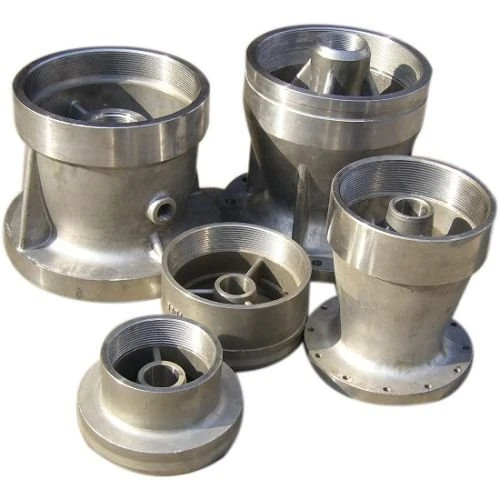
- Pump Casing: The pump casing is the outer shell of the pump that houses the impeller and other internal components. It provides a sealed chamber for the fluid to flow through and helps to direct the flow of the fluid. The casing is typically made of materials such as cast iron, stainless steel, or bronze, depending on the application and the type of fluid being pumped.
- Impeller: The impeller is the rotating component of the pump that transfers energy to the fluid. It consists of a series of vanes or blades that are attached to a hub. As the impeller rotates, it creates a centrifugal force that moves the fluid from the center of the impeller to the outer edge. The impeller is one of the most critical parts of the pump, and its design and performance can have a significant impact on the overall efficiency of the pump.
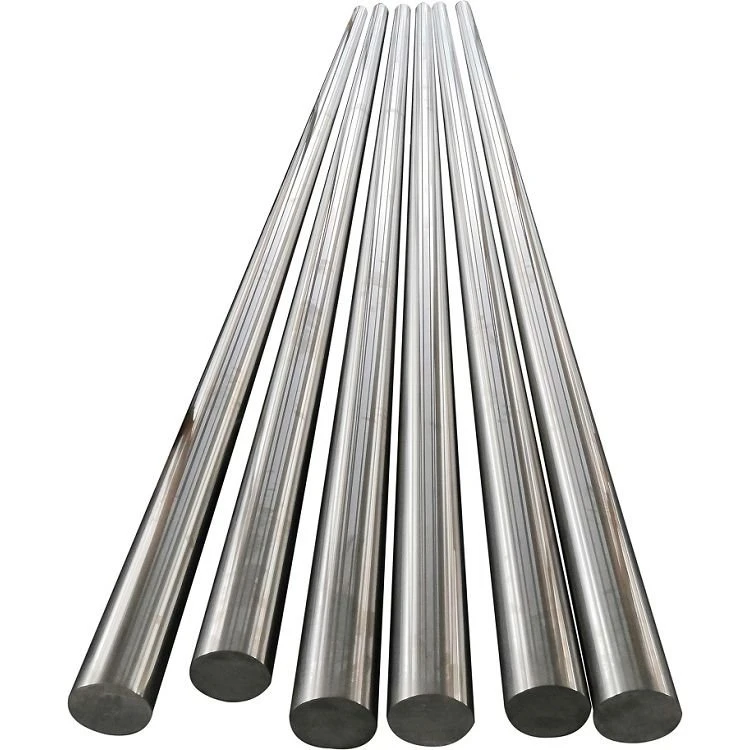
- Shaft: The shaft is the component that connects the impeller to the motor. It transmits the rotational energy from the motor to the impeller, causing it to rotate. The shaft is typically made of high-strength steel and is supported by bearings to ensure smooth rotation. Pump Shaft is an important part of the pump system, and its quality and durability can affect the performance and lifespan of the pump.
- Bearings: Bearings are used to support the shaft and reduce friction between the rotating and stationary parts of the pump. There are several types of bearings used in pumps, including ball bearings, roller bearings, and sleeve bearings. The type of bearing used depends on the application, the speed of the pump, and the load requirements.
- Seals: Seals are used to prevent the leakage of fluid from the pump. They are typically located at the shaft entry points and between the pump casing and other components. There are several types of seals used in pumps, including mechanical seals, gland packing seals, and lip seals. The type of seal used depends on the application, the type of fluid being pumped, and the pressure and temperature requirements.
- Volute or Diffuser: The volute or diffuser is a stationary component that surrounds the impeller. It helps to convert the kinetic energy of the fluid into pressure energy by gradually increasing the cross-sectional area of the flow path. The volute or diffuser is designed to optimize the performance of the pump and improve its efficiency.
- Suction and Discharge Nozzles: The suction and discharge nozzles are the openings in the pump casing where the fluid enters and exits the pump. The suction nozzle is connected to the source of the fluid, while the discharge nozzle is connected to the piping system that delivers the fluid to its destination. The size and shape of the nozzles can affect the flow rate and pressure of the fluid.
Identifying Pump Parts by Appearance
One of the most straightforward ways to identify pump parts is by their appearance. Each part has a unique shape, size, and color that can help you distinguish it from other parts. Here are some tips to help you identify pump parts by appearance:
- Look for Labels and Markings: Many pump parts are labeled or marked with their name, part number, or other identifying information. Look for these labels and markings on the parts themselves or on the pump casing.
- Compare with Diagrams and Manuals: Most pump manufacturers provide diagrams and manuals that show the location and function of each part in the pump. Compare the parts you're trying to identify with these diagrams and manuals to see if you can find a match.
- Use a Magnifying Glass: Some pump parts may be small or have intricate details that are difficult to see with the naked eye. Use a magnifying glass to get a closer look at the parts and to identify any unique features or markings.
- Check for Wear and Damage: Over time, pump parts can wear out or become damaged. Look for signs of wear and damage, such as cracks, corrosion, or excessive wear on the surfaces of the parts. This can help you identify parts that need to be replaced.
Identifying Pump Parts by Function
Another way to identify pump parts is by their function. Each part in the pump has a specific role to play in the operation of the pump. By understanding the function of each part, you can more easily identify it and determine if it's working properly. Here are some tips to help you identify pump parts by function:
- Understand the Pump System: Before trying to identify individual pump parts, it's important to have a basic understanding of how the pump system works. This will help you understand the role that each part plays in the overall operation of the pump.
- Observe the Pump in Operation: If possible, observe the pump in operation to see how each part behaves. Look for any unusual noises, vibrations, or movements that may indicate a problem with a particular part.
- Test the Parts: You can also test the parts to see if they're working properly. For example, you can use a multimeter to test the electrical components of the pump, or you can use a pressure gauge to test the pressure in the pump system.
- Consult with Experts: If you're still having trouble identifying a particular pump part, don't hesitate to consult with experts. You can contact the pump manufacturer, a pump repair technician, or a pump parts supplier for assistance.
Specialized Pump Parts
In addition to the common pump parts mentioned above, there are also some specialized pump parts that are used in specific applications. Here are some examples of specialized pump parts:
- Sea Water Pump Parts: Sea water pumps are used to pump seawater in marine applications. Sea Water Pump Parts are designed to withstand the corrosive effects of seawater and are typically made of materials such as stainless steel, bronze, or titanium.
- High-Temperature Pump Parts: High-temperature pumps are used to pump fluids at elevated temperatures. High-temperature pump parts are designed to withstand the high temperatures and are typically made of materials such as ceramic, graphite, or special alloys.
- Chemical Pump Parts: Chemical pumps are used to pump corrosive or hazardous chemicals. Chemical pump parts are designed to be resistant to the chemicals being pumped and are typically made of materials such as plastic, rubber, or special coatings.
Importance of Correct Identification
Correctly identifying pump parts is essential for several reasons. First, it ensures that you're using the right parts for your pump. Using the wrong parts can lead to poor performance, increased wear and tear, and even pump failure. Second, it helps you to diagnose and troubleshoot problems with your pump. By identifying the faulty part, you can quickly replace it and get your pump back up and running. Finally, it allows you to order the correct parts when you need to replace them. This can save you time and money by ensuring that you get the right parts the first time.
Contact Us for Pump Parts
As a pump parts supplier, we have a wide range of pump parts available for various types of pumps. Whether you need a replacement impeller, a new shaft, or a set of bearings, we can help. Our team of experts can assist you in identifying the right parts for your pump and can provide you with high-quality parts at competitive prices. If you're in need of pump parts or have any questions about pump part identification, please don't hesitate to contact us. We're here to help you keep your pumps running smoothly.
References
- "Pump Handbook" by Igor J. Karassik, Joseph P. Messina, Paul Cooper, and Charles C. Heald
- "Centrifugal Pumps: Design and Application" by Heinz P. Bloch and Fred K. Geitner
- "Positive Displacement Pumps: Principles and Applications" by Heinz P. Bloch and Fred K. Geitner