Implementing quality control for a pump shaft during production is a multi - faceted process that requires meticulous attention to detail at every stage. As a pump shaft supplier, we understand the critical role that pump shafts play in the overall performance of pumps, whether they are used in industrial, commercial, or residential settings. In this blog, we will explore the key steps and strategies to ensure the highest quality of pump shafts during production.
Raw Material Selection
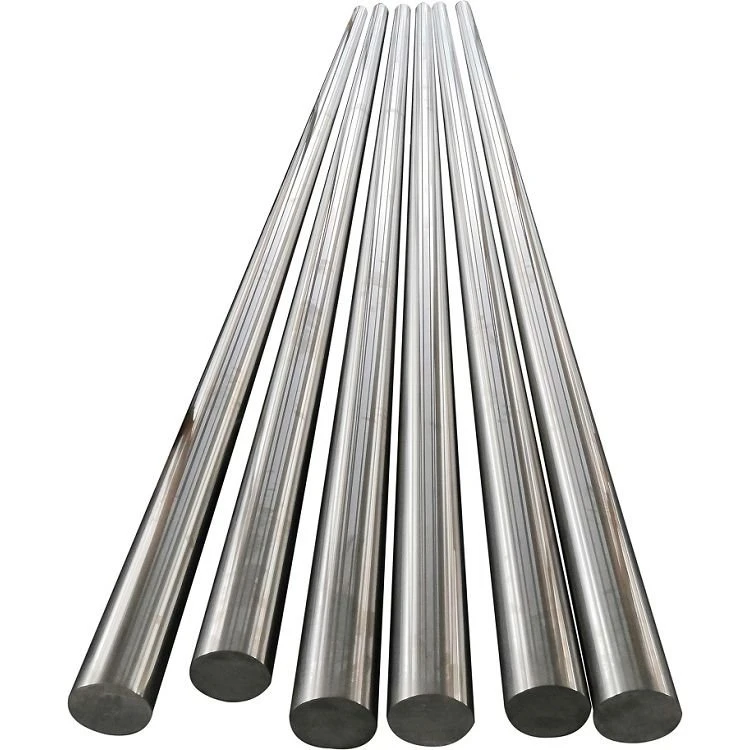
The foundation of a high - quality pump shaft lies in the selection of appropriate raw materials. Different applications may demand different materials, such as stainless steel for its corrosion resistance, carbon steel for its strength, or alloy steel for enhanced mechanical properties. We carefully source our raw materials from reputable suppliers. We conduct thorough inspections of the incoming materials, including checking for chemical composition, hardness, and surface quality. For example, we use spectrometers to analyze the chemical composition of the steel to ensure it meets the required standards. Any deviation from the specified composition can lead to performance issues in the final pump shaft.
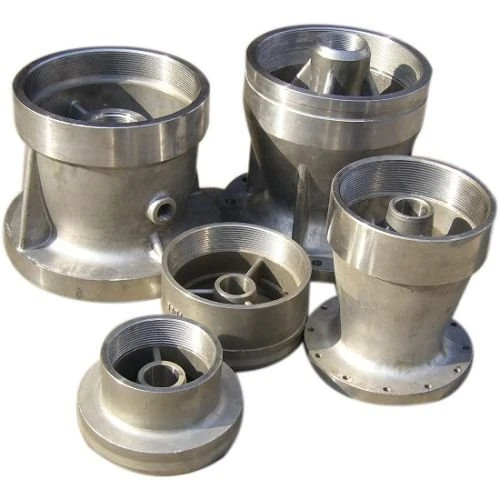
When dealing with applications like Sea Water Pump Parts, we often opt for materials with excellent corrosion resistance. Sea water is highly corrosive, and a pump shaft made from an inappropriate material can quickly degrade, leading to pump failure. Therefore, we select materials like duplex stainless steel, which offers a good balance of strength and corrosion resistance in marine environments.
Machining Processes
Once the raw materials are approved, the machining processes begin. Precision machining is crucial for achieving the required dimensions and surface finish of the pump shaft. We use advanced CNC (Computer Numerical Control) machines to ensure high accuracy and repeatability. During the turning process, for instance, we closely monitor the cutting parameters such as cutting speed, feed rate, and depth of cut. These parameters need to be optimized to prevent issues like rough surfaces, dimensional inaccuracies, or residual stresses in the shaft.
Grinding is another important machining operation. It is used to achieve the final surface finish and tight tolerances. We use high - precision grinding machines and carefully select the grinding wheels based on the material of the shaft and the required surface finish. After each machining step, we conduct in - process inspections using measuring tools such as micrometers, calipers, and surface roughness testers. These inspections help us identify any issues early on and make necessary adjustments to the machining process.
Heat Treatment
Heat treatment is a critical step in enhancing the mechanical properties of the pump shaft. Different heat treatment processes, such as quenching and tempering, can be used to increase the hardness, strength, and toughness of the shaft. We follow strict heat treatment schedules that are based on the material of the shaft and its intended application. For example, a pump shaft used in a high - load application may require a more aggressive heat treatment process to achieve the necessary strength.
During the heat treatment process, we use temperature sensors and control systems to ensure that the temperature is accurately maintained throughout the process. Any deviation from the specified temperature can lead to inconsistent mechanical properties in the shaft. After heat treatment, we conduct hardness testing and microstructure analysis to verify the effectiveness of the heat treatment process.
Non - Destructive Testing (NDT)
Non - destructive testing is an essential part of our quality control process. It allows us to detect internal and surface defects in the pump shaft without damaging it. We use several NDT methods, including ultrasonic testing, magnetic particle testing, and dye penetrant testing.
Ultrasonic testing is used to detect internal defects such as cracks or voids in the shaft. High - frequency sound waves are transmitted into the shaft, and any reflections from defects are detected and analyzed. Magnetic particle testing is suitable for detecting surface and near - surface defects in ferromagnetic materials. A magnetic field is applied to the shaft, and magnetic particles are then applied to the surface. If there are any defects, the magnetic particles will accumulate at the defect sites, making them visible. Dye penetrant testing is used to detect surface - open defects. A penetrant liquid is applied to the surface of the shaft, allowed to penetrate into the defects, and then removed. A developer is then applied, which makes the defects visible.
Assembly and Final Inspection
After all the individual components of the pump shaft are manufactured and tested, the assembly process begins. We ensure that all the components are properly aligned and assembled according to the design specifications. During the assembly process, we also check for any signs of damage or misalignment.
The final inspection is a comprehensive check of the completed pump shaft. We measure all the critical dimensions again using precision measuring equipment to ensure they are within the specified tolerances. We also conduct a visual inspection to check for any surface defects, such as scratches or dents. In addition, we perform functional tests to verify the performance of the pump shaft. For example, we may rotate the shaft at different speeds to check for smooth operation and balance.
Documentation and Traceability
Documentation is an important aspect of quality control. We maintain detailed records of every step of the production process, including raw material certificates, machining parameters, heat treatment records, and inspection results. These records not only provide evidence of the quality of the pump shaft but also allow for traceability. In case of any quality issues, we can easily trace back the production history of the shaft and identify the root cause of the problem.
Quality Management System
We have implemented a comprehensive quality management system based on international standards such as ISO 9001. This system ensures that all our processes are well - documented, standardized, and continuously improved. We regularly conduct internal audits to assess the effectiveness of our quality control measures and identify areas for improvement. External audits by independent certification bodies also help us maintain the highest level of quality in our production processes.
Supplier - Customer Collaboration
As a Pump Shaft supplier, we believe in close collaboration with our customers. We work closely with them to understand their specific requirements and applications. By involving the customers in the early stages of the product development process, we can ensure that the pump shafts we produce meet their exact needs. We also provide technical support and after - sales service to our customers. This helps us build long - term relationships based on trust and quality.
Conclusion
Implementing quality control for a pump shaft during production is a complex but necessary process. From raw material selection to final inspection, every step needs to be carefully managed to ensure the highest quality of the pump shaft. By using advanced technologies, strict inspection procedures, and a comprehensive quality management system, we are able to produce pump shafts that meet the most demanding requirements.
If you are in the market for high - quality pump shafts, we invite you to contact us for a detailed discussion about your specific needs. Our team of experts is ready to provide you with the best solutions and support throughout the procurement process.
References
- ASME (American Society of Mechanical Engineers) standards related to pump shafts
- ISO (International Organization for Standardization) 9001:2015 Quality management systems – Requirements
- Material Science and Engineering textbooks for information on raw materials and heat treatment processes