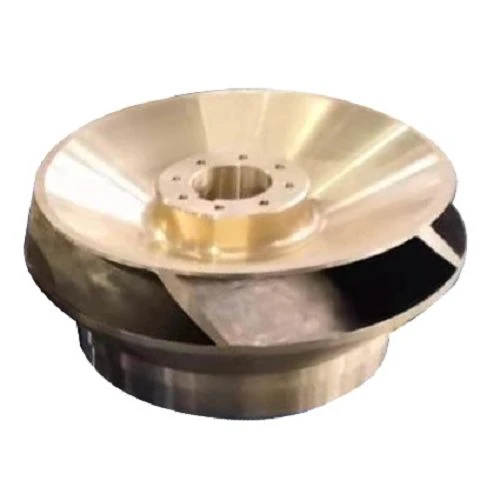
As a supplier of Bronze Pump Impeller, I've witnessed firsthand the significance of pump impeller performance in diverse industrial and commercial applications. A well - performing bronze pump impeller can enhance efficiency, reduce energy consumption, and extend the overall lifespan of the pumping system. In this blog, I'll share some effective strategies to improve the performance of bronze pump impellers.
1. Material Quality and Inspection
The foundation of a high - performance bronze pump impeller lies in the material quality. Bronze is an alloy mainly composed of copper and tin, with small amounts of other elements like zinc, phosphorus, or aluminum, depending on the specific application. Higher - quality bronze offers better corrosion resistance, mechanical strength, and wear resistance.
As a supplier, we conduct rigorous material inspections. We check the chemical composition of the bronze to ensure it meets the industry standards. For example, the tin content in some high - performance bronzes used for pump impellers can range from 5% to 12%, and the exact percentage affects the impeller's hardness and corrosion - fighting ability. We also perform non - destructive testing methods such as ultrasonic testing and magnetic particle inspection to detect any internal flaws or cracks in the impeller. By starting with a high - quality and defect - free material, we ensure that the impeller has a strong base for optimal performance.
2. Design Optimization
The design of the pump impeller is crucial for its performance. A well - designed impeller can improve the flow pattern of the fluid being pumped, reducing turbulence and energy loss.
- Blade Shape: The shape of the impeller blades significantly influences the impeller's hydraulic performance. Curved blades are more commonly used as they can better direct the fluid flow, reducing the impact and friction losses. For instance, backward - curved blades are often used in centrifugal pumps. They can achieve higher efficiency by reducing the whirl component of the fluid velocity at the outlet of the impeller.
- Number of Blades: The number of blades on the impeller also affects its performance. A higher number of blades can increase the head and pressure generated by the pump, but it may also increase the friction loss. On the other hand, a lower number of blades might result in a more uneven flow and lower efficiency. Through extensive research and practical experience, we can determine the optimal number of blades for different types of pumps and applications.
- Outlet Width and Diameter: The outlet width and diameter of the impeller need to be carefully designed according to the pump's operating conditions. A larger outlet width can increase the flow rate, while an appropriate outlet diameter ensures the right balance between the pressure and flow rate.
3. Precision Manufacturing
Even with the best design and high - quality material, poor manufacturing processes can degrade the impeller's performance. Therefore, precision manufacturing is essential.
- Casting Process: We use advanced casting techniques to produce bronze pump impellers. Investment casting, for example, offers high dimensional accuracy and a smooth surface finish. This process allows us to create complex impeller shapes with tight tolerances. During casting, we also control the cooling rate to prevent shrinkage and porosity, which can weaken the impeller and reduce its performance.
- Machining Operations: After casting, the impeller usually requires machining to achieve the final dimensions and surface quality. We use state - of - the - art machining equipment to perform operations such as turning, milling, and grinding. These operations ensure that the impeller's surface is smooth, and the dimensions are within the specified tolerance range. A smooth surface reduces the friction between the impeller and the fluid, improving the pump's efficiency.
4. Surface Treatment
Applying appropriate surface treatments can further enhance the performance and durability of bronze pump impellers.
- Coatings: We offer different types of coatings for our impellers. Anti - corrosion coatings can protect the impeller from chemical attack in corrosive environments. For example, in seawater applications, a special epoxy - based coating can be applied to prevent the bronze from corroding. Wear - resistant coatings can also be used to increase the impeller's resistance to abrasion, especially when the pump is handling fluids containing solid particles.
- Polishing: Polishing the impeller surface can reduce the roughness, which in turn reduces the fluid friction. A polished surface allows the fluid to flow more smoothly over the impeller blades, improving the pump's overall efficiency.
5. Installation and Alignment
Proper installation and alignment of the pump impeller are often overlooked but are critical for optimal performance.
- Correct Installation: During installation, the impeller must be properly seated in the pump casing. The tightness of the impeller on the shaft should be within the specified range. If the impeller is not installed correctly, it can lead to vibration, increased noise, and reduced efficiency.
- Alignment: The alignment between the pump shaft and the motor shaft is crucial. Misalignment can cause excessive stress on the impeller, bearings, and other pump components. Precise alignment can reduce vibration, extend the lifespan of the components, and improve the pump's performance. We usually provide detailed installation and alignment instructions to our customers to ensure the correct setup of the pump impeller.
6. Maintenance and Monitoring
Regular maintenance and continuous monitoring are essential to keep the bronze pump impeller performing at its best.
- Maintenance Schedule: We recommend that our customers follow a regular maintenance schedule. This includes cleaning the impeller periodically to remove any deposits or contaminants that may accumulate on the surface. Lubricating the bearings and checking the shaft seals also help to maintain the pump's performance.
- Monitoring Systems: Implementing monitoring systems can help detect early signs of performance degradation. For example, vibration sensors can detect abnormal vibration, which may indicate problems such as misalignment, unbalance, or wear. Pressure and flow sensors can also be used to monitor the pump's operating parameters. By analyzing the data from these sensors, we can identify potential issues and take corrective actions before they lead to major failures.
Comparison with Other Types of Pump Impellers
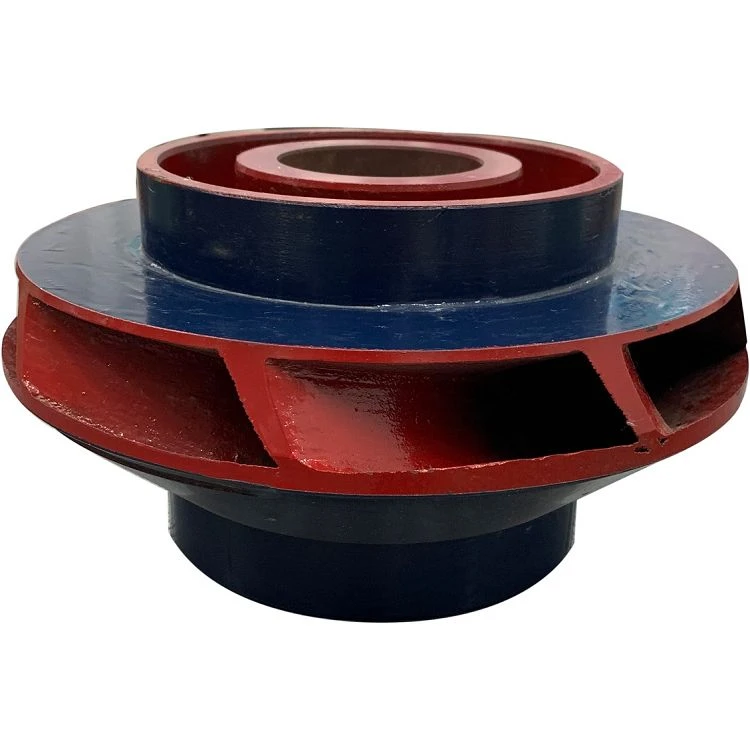
It's also worth comparing bronze pump impellers with other common types, such as Cast Iron Pump Impeller and Stainless Steel Pump Impeller.
- Cast Iron Pump Impellers: Cast iron impellers are relatively inexpensive and offer good casting properties. However, they are less corrosion - resistant compared to bronze. In applications where the fluid is corrosive, a bronze impeller may be a better choice as it can withstand the chemical attack for a longer time.
- Stainless Steel Pump Impellers: Stainless steel impellers provide excellent corrosion resistance and high strength. But they are generally more expensive than bronze impellers. For some applications where cost is a major concern and the corrosion requirement is not extremely high, bronze impellers can be a more cost - effective option.
Conclusion
Improving the performance of a bronze pump impeller requires a comprehensive approach, from material selection and design optimization to precision manufacturing, surface treatment, proper installation, and regular maintenance. As a dedicated Bronze Pump Impeller supplier, we are committed to providing high - quality impellers and ensuring that our customers can achieve the best performance from their pumping systems.
If you are interested in purchasing our bronze pump impellers or have any questions about improving the performance of your existing impellers, please feel free to contact us for further discussions and procurement negotiations. We look forward to working with you to meet your specific needs.
References
- "Pump Handbook" by Igor J. Karassik, Joseph P. Messina, Paul Cooper, and Charles C. Heald.
- "Centrifugal Pumps: Design and Application" by Heinz P. Bloch and Allan R. Budris.