Measuring pump discharge in a large-scale system can be a real challenge, but it's super important if you want your system to run smoothly. As a pump discharge supplier, I've dealt with all sorts of situations and learned a thing or two about getting accurate measurements. So, let's dive into how you can measure pump discharge in a large-scale system.
Why Measuring Pump Discharge Matters
First off, why bother measuring pump discharge? Well, in a large-scale system, pumps are the heart that keeps everything flowing. Knowing the pump discharge helps you figure out if the pump is working efficiently. If the discharge is too low, it might mean there's a blockage or the pump is wearing out. On the other hand, if it's too high, it could put unnecessary stress on the system and lead to breakdowns.
Different Methods of Measuring Pump Discharge
1. Using Flow Meters
Flow meters are probably the most common way to measure pump discharge. There are different types of flow meters, and each has its own pros and cons.
- Mechanical Flow Meters: These are the old-school type. They work by using moving parts like turbines or paddles. When the fluid flows through the meter, it makes these parts spin, and the speed of the spin is proportional to the flow rate. They're pretty reliable and can handle a wide range of flow rates. But they do have some moving parts that can wear out over time, which might require maintenance.
- Electromagnetic Flow Meters: These are based on Faraday's law of electromagnetic induction. They measure the voltage generated when a conductive fluid moves through a magnetic field. The advantage of electromagnetic flow meters is that they have no moving parts, so there's less wear and tear. They're also very accurate and can work well with a variety of fluids. However, they're usually more expensive than mechanical flow meters.
- Ultrasonic Flow Meters: These use ultrasonic waves to measure the flow rate. There are two main types: transit-time and Doppler. Transit-time flow meters measure the difference in the time it takes for ultrasonic waves to travel upstream and downstream in the fluid. Doppler flow meters, on the other hand, measure the frequency shift of the ultrasonic waves reflected off particles in the fluid. Ultrasonic flow meters are non-invasive, which means you don't have to cut into the pipe to install them. They're also good for measuring the flow of clean or dirty fluids. But they can be affected by the presence of air bubbles or solids in the fluid.
2. Differential Pressure Method
The differential pressure method involves measuring the pressure difference across an obstruction in the pipe, like an orifice plate, venturi tube, or flow nozzle. According to Bernoulli's principle, the pressure difference is related to the flow rate. You can use a pressure sensor to measure the pressure difference and then calculate the flow rate using a formula. This method is relatively simple and inexpensive, but it can be affected by factors like the viscosity of the fluid and the condition of the obstruction.
3. Volume and Time Method
This is a more basic way of measuring pump discharge. You collect the fluid from the pump in a container for a certain period of time and then measure the volume of the fluid in the container. You can then calculate the flow rate by dividing the volume by the time. This method is easy to do, but it's not very accurate, especially for large-scale systems where the flow rate might vary over time.
Considerations for Large-Scale Systems
When measuring pump discharge in a large-scale system, there are a few things you need to keep in mind.
- Pipe Size and Configuration: In a large-scale system, the pipes can be very large and have complex configurations. This can affect the flow pattern and make it more difficult to get accurate measurements. You need to make sure that the flow meter or measurement device is installed in a location where the flow is fully developed and there are no disturbances like bends or valves nearby.
- Fluid Properties: The properties of the fluid, such as its viscosity, density, and temperature, can also affect the measurement. For example, a more viscous fluid will flow more slowly than a less viscous fluid, and this can affect the accuracy of the flow meter. You need to choose a measurement method that is suitable for the properties of the fluid.
- System Pressure and Temperature: Large-scale systems often operate at high pressures and temperatures. This can affect the performance of the measurement device. You need to make sure that the device is rated to handle the pressure and temperature conditions of the system.
Choosing the Right Pump Discharge for Your System
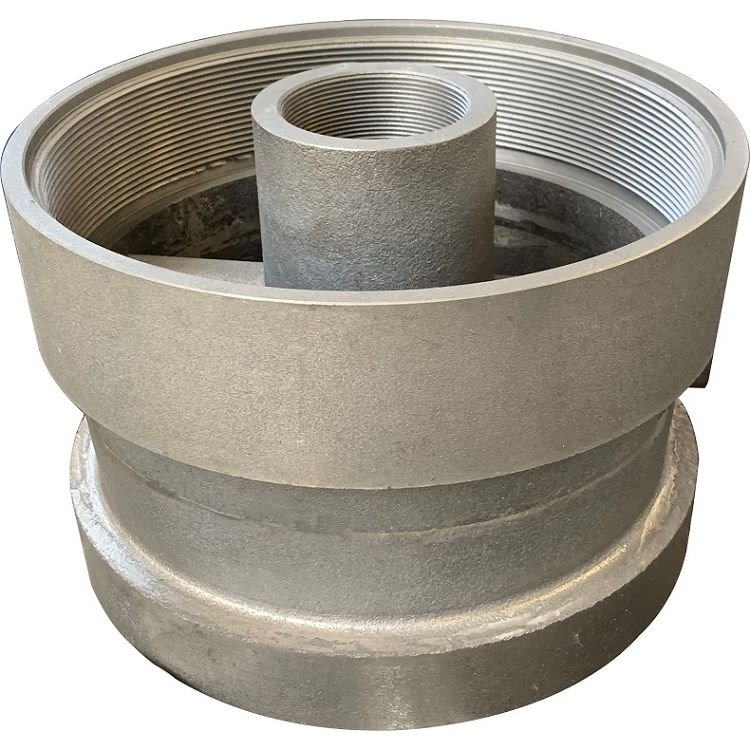
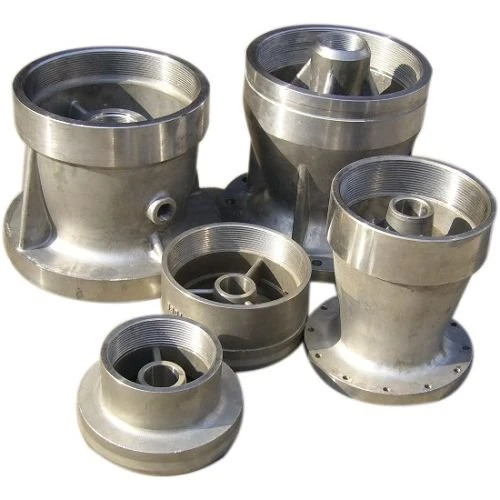
As a pump discharge supplier, I know that choosing the right pump discharge is just as important as measuring it. We offer a variety of pump discharges, including Stainless Steel Pump Discharge and Cast Iron Pump Discharge.
- Stainless Steel Pump Discharge: Stainless steel is a great choice for applications where corrosion resistance is important. It can handle a wide range of fluids, including acids and alkalis. Stainless steel pump discharges are also very durable and can last a long time.
- Cast Iron Pump Discharge: Cast iron is a more traditional material for pump discharges. It's strong and can handle high pressures. Cast iron pump discharges are also relatively inexpensive, making them a good choice for budget-conscious customers.
Conclusion
Measuring pump discharge in a large-scale system is a complex but important task. By choosing the right measurement method and considering the factors that can affect the measurement, you can get accurate results and ensure that your system is running efficiently. And if you're in the market for a pump discharge, we've got you covered with our high-quality Stainless Steel Pump Discharge and Cast Iron Pump Discharge.
If you have any questions or want to discuss your specific needs, feel free to reach out. We're here to help you find the best solution for your system.
References
- "Fluid Mechanics" by Frank M. White
- "Pump Handbook" by Igor J. Karassik et al.