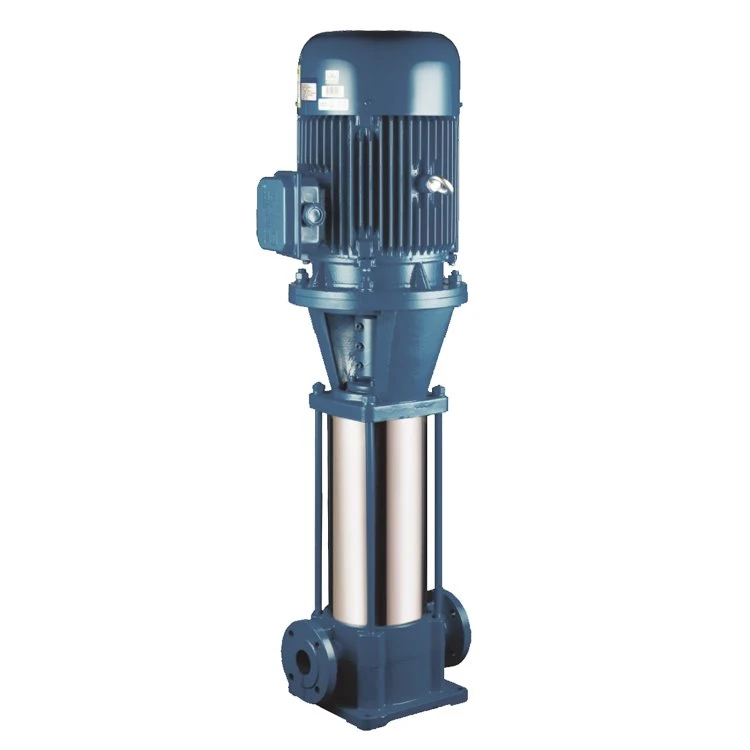
Pumping solids-laden fluids with a vertical in-line pump can be a tricky business. As a supplier of Vertical In-Line Pumps, I've seen my fair share of clogging issues. In this blog, I'm gonna share some tips on how to prevent clogging in a vertical in-line pump when dealing with such fluids.
Understanding the Problem
First off, let's understand why clogging happens. When you're pumping fluids that contain solids, these solids can accumulate inside the pump. They might get stuck in the impeller, the volute, or other narrow passages within the pump. This accumulation can restrict the flow of the fluid, reduce the pump's efficiency, and even lead to complete pump failure if left unaddressed.
The type of solids in the fluid plays a big role. For example, fibrous solids like wood chips or paper pulp can easily wrap around the impeller, causing it to slow down or stop. Abrasive solids such as sand or gravel can wear down the pump components and also cause blockages. And large particles can simply get lodged in the pump, preventing the fluid from flowing freely.
Selecting the Right Pump
One of the most important steps in preventing clogging is choosing the right pump for the job. Not all vertical in-line pumps are created equal when it comes to handling solids-laden fluids.
Look for pumps with a generous flow passage. A larger passage allows solids to pass through more easily without getting stuck. Pumps with a semi-open or open impeller are often a good choice. The semi-open impeller has fewer vanes, which reduces the chances of solids getting trapped. An open impeller, on the other hand, has no back shroud, making it even more resistant to clogging.
Also, consider the pump's material. When dealing with abrasive solids, a pump made of a hard and wear-resistant material like stainless steel or high-chrome alloy can last longer and resist clogging better.
If you're not sure which pump is right for your application, check out our End Suction Centrifugal Pump and Vertical Multistage Pump. These pumps are designed to handle a variety of fluids, including those with solids.
Pretreatment of the Fluid
Before the fluid enters the pump, it's a good idea to do some pretreatment. This can remove or reduce the amount of solids in the fluid, which in turn reduces the risk of clogging.
One common method is screening. You can use a screen or a filter to trap large particles. Make sure to choose a screen with the right mesh size for your application. If the mesh is too large, it won't catch all the solids. If it's too small, it can get clogged quickly.
Another option is sedimentation. You can let the fluid sit in a tank for a while, allowing the solids to settle to the bottom. Then, you can pump the clearer fluid from the top.
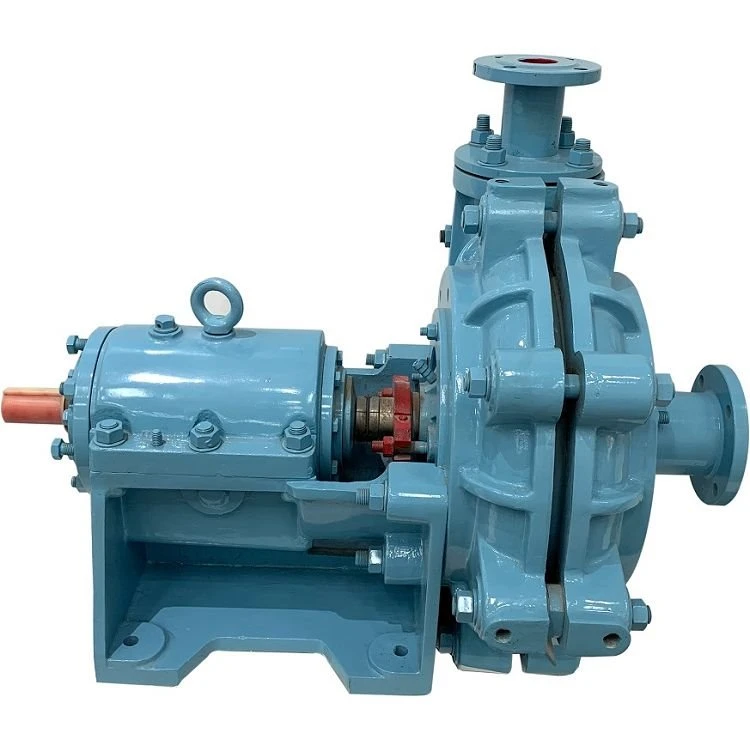
If you're dealing with a high concentration of solids, you might want to consider using a Slurry Pump for the initial stage of pumping. These pumps are specifically designed to handle slurries and can help reduce the load on the vertical in-line pump.
Proper Installation and Maintenance
The way you install and maintain your vertical in-line pump also has a big impact on clogging.
During installation, make sure the pump is level and properly aligned. A misaligned pump can cause uneven wear and tear on the components, which can lead to clogging. Also, check the suction and discharge pipes for any obstructions before connecting them to the pump.
Regular maintenance is crucial. Inspect the pump regularly for signs of wear and tear. Replace any worn-out parts promptly. Clean the pump regularly to remove any accumulated solids. You can use a brush or a high-pressure water jet to clean the impeller and other components.
It's also important to monitor the pump's performance. Keep an eye on the flow rate, pressure, and power consumption. If you notice any sudden changes, it could be a sign of clogging or other problems.
Operating Conditions
The way you operate the pump can also affect clogging.
Avoid running the pump at low flow rates for extended periods. Low flow rates can cause solids to settle inside the pump, increasing the risk of clogging. If possible, maintain a steady flow rate within the pump's recommended range.
Also, be careful when starting and stopping the pump. A sudden change in flow can cause solids to shift and get stuck. It's a good idea to start and stop the pump gradually.
Training and Education
Finally, make sure your operators are properly trained. They should know how to operate the pump correctly, how to identify signs of clogging, and how to perform basic maintenance tasks.
Training can also help operators understand the importance of preventing clogging and the impact it can have on the pump's performance and lifespan.
In conclusion, preventing clogging in a vertical in-line pump when pumping solids-laden fluids requires a combination of the right pump selection, fluid pretreatment, proper installation and maintenance, careful operation, and operator training. By following these tips, you can reduce the risk of clogging and keep your pump running smoothly.
If you're interested in learning more about our Vertical In-Line Pumps or have any questions about preventing clogging, feel free to reach out for a chat. We're always here to help you find the best pumping solution for your needs.
References
- "Pump Handbook" by Igor Karassik et al.
- Various industry white papers on pump operation and maintenance.