Hey there! As a supplier of pump suction components, I've seen my fair share of issues related to water hammer in pump suction systems. Water hammer can be a real headache, causing damage to pipes, valves, and pumps, and even leading to system failures. In this blog post, I'm gonna share some tips on how to prevent water hammer in pump suction.
First off, let's understand what water hammer is. Simply put, water hammer is a pressure surge or wave caused when a fluid (usually water) in motion is forced to stop or change direction suddenly. This can happen when a valve closes quickly, a pump starts or stops abruptly, or there's a sudden change in flow rate. The pressure surge can be quite powerful, and if not properly managed, it can cause all sorts of problems.
1. Use Proper Valve Sizing and Operation
One of the main causes of water hammer is the rapid closing of valves. When a valve closes too quickly, it stops the flow of water suddenly, creating a pressure wave. To prevent this, it's important to use valves that are properly sized for the system. A valve that's too small can cause high velocities and pressure drops, while a valve that's too large may not close properly.
In addition to proper sizing, the way you operate the valves also matters. Instead of closing valves abruptly, try to close them gradually. Many modern valves come with adjustable closing speeds, which can be set to prevent rapid closure. This gives the water in the system time to slow down gradually, reducing the risk of water hammer.
2. Install Surge Tanks or Accumulators
Surge tanks and accumulators are great tools for preventing water hammer. These devices act as shock absorbers, absorbing the excess pressure from the pressure surge. A surge tank is a vertical tank connected to the pump suction line. When a pressure surge occurs, the water is forced into the tank, where it can expand and relieve the pressure.
Accumulators, on the other hand, use a gas (usually nitrogen) to absorb the pressure. They work by compressing the gas when the pressure in the system increases, and then releasing the gas when the pressure drops. Both surge tanks and accumulators can be very effective in reducing the impact of water hammer.
3. Choose the Right Pump Suction Material
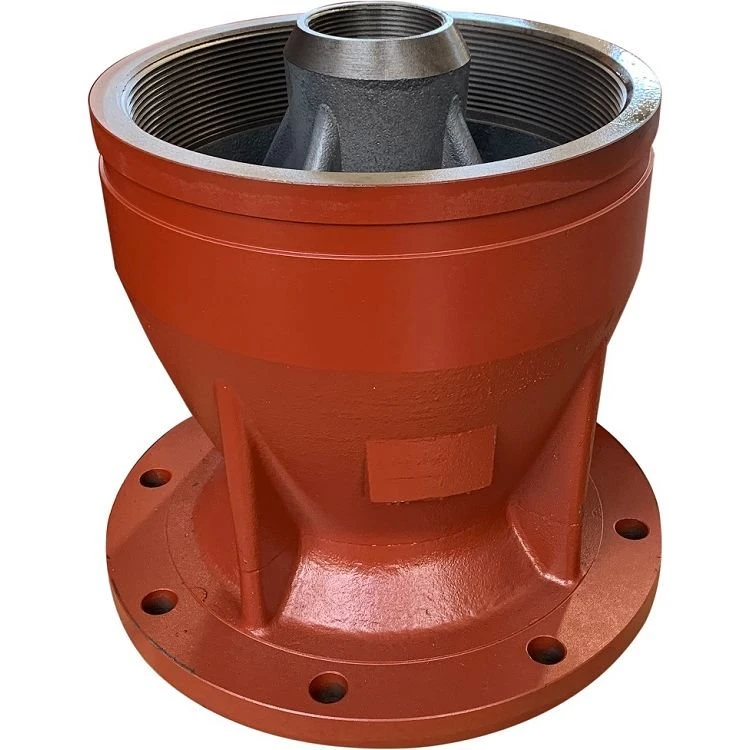
The material of the pump suction can also play a role in preventing water hammer. For example, Cast Iron Pump Suction is a popular choice because it's strong and durable. It can withstand the pressure surges caused by water hammer better than some other materials.
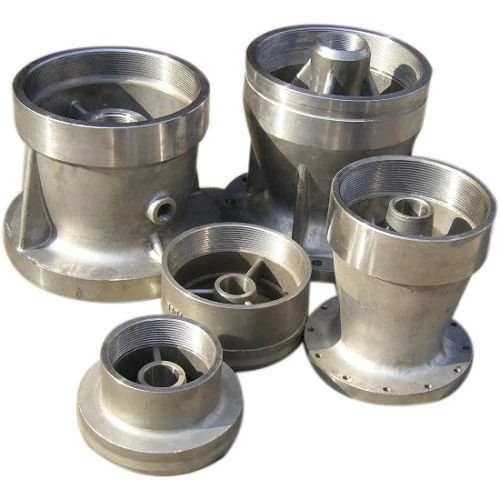
Another option is Stainless Steel Pump Suction. Stainless steel is corrosion-resistant and has good mechanical properties. It can also handle pressure changes well, making it a suitable choice for preventing water hammer.
4. Maintain Proper System Pressure
Maintaining the right pressure in the pump suction system is crucial. If the pressure is too high or too low, it can increase the risk of water hammer. You can use pressure gauges to monitor the pressure in the system regularly. If the pressure is outside the recommended range, you may need to adjust the pump speed or the valve settings.
It's also important to make sure there are no air pockets in the system. Air pockets can cause uneven pressure distribution and increase the likelihood of water hammer. To remove air pockets, you can use air vents or bleed valves.
5. Provide Adequate Pipe Support
Pipes that are not properly supported can move and vibrate during a pressure surge, which can exacerbate the effects of water hammer. Make sure all the pipes in the pump suction system are securely supported. Use pipe hangers, brackets, and other support structures to keep the pipes in place.
In addition to proper support, it's also a good idea to use flexible connectors in the system. Flexible connectors can absorb some of the vibrations and movements caused by water hammer, reducing the stress on the pipes and other components.
6. Implement a Soft Start and Stop for Pumps
As I mentioned earlier, sudden starts and stops of pumps can cause water hammer. To prevent this, you can implement a soft start and stop system for your pumps. A soft start system gradually increases the pump speed, allowing the water in the system to start flowing smoothly. Similarly, a soft stop system gradually decreases the pump speed, giving the water time to slow down.
There are several ways to implement a soft start and stop system. One common method is to use a variable frequency drive (VFD). A VFD can control the speed of the pump motor, allowing for smooth acceleration and deceleration.
7. Conduct Regular System Inspections
Regular inspections of the pump suction system are essential for preventing water hammer. During an inspection, you can check for any signs of wear and tear, leaks, or damage to the pipes, valves, and pumps. You can also look for any blockages or restrictions in the system that could cause a sudden change in flow rate.
If you find any issues during the inspection, make sure to address them promptly. This could involve repairing or replacing damaged components, cleaning the pipes, or adjusting the system settings.
Conclusion
Preventing water hammer in pump suction systems is not always easy, but it's definitely worth the effort. By following these tips, you can reduce the risk of water hammer and ensure the smooth operation of your pump suction system.
If you're in the market for high-quality pump suction components, we've got you covered. Whether you need Cast Iron Pump Suction or Stainless Steel Pump Suction, we have a wide range of products to meet your needs. If you have any questions or would like to discuss your specific requirements, feel free to reach out to us. We're here to help you find the best solutions for your pump suction system.
References
- "Fluid Mechanics" by Frank M. White
- "Pump Handbook" by Igor J. Karassik et al.