Hey there! As a pump shaft supplier, I've seen firsthand how environmental factors can take a toll on these crucial components. In this blog, I'll share some practical tips on how to protect a pump shaft from the elements.
Understanding the Enemy: Environmental Factors
First things first, let's talk about the environmental factors that can cause problems for pump shafts. There are several common culprits, including:
- Corrosion: This is one of the biggest threats to pump shafts. When metal is exposed to moisture, oxygen, and certain chemicals, it can start to rust and deteriorate over time. Corrosion weakens the shaft, making it more prone to failure.
- Abrasion: If the pump is operating in an environment with a lot of dirt, sand, or other abrasive particles, these can wear away at the shaft surface. Abrasion can lead to increased friction, reduced efficiency, and eventually, shaft damage.
- Temperature extremes: Both high and low temperatures can have a negative impact on pump shafts. Extreme heat can cause the metal to expand, while extreme cold can make it brittle. These temperature-induced changes can lead to stress fractures and other forms of damage.
- Chemical exposure: Pump shafts may come into contact with a variety of chemicals, depending on the application. Some chemicals can be highly corrosive or reactive, causing damage to the shaft material.
Protective Coatings
One of the most effective ways to protect a pump shaft from environmental factors is to apply a protective coating. There are several types of coatings available, each with its own advantages and disadvantages.
- Epoxy coatings: Epoxy coatings are a popular choice for pump shafts because they offer excellent corrosion resistance. They form a hard, durable barrier that prevents moisture and chemicals from reaching the metal surface. Epoxy coatings can also provide some protection against abrasion.
- Ceramic coatings: Ceramic coatings are extremely hard and wear-resistant, making them ideal for applications where abrasion is a major concern. They can also withstand high temperatures and provide good chemical resistance. However, ceramic coatings can be more expensive and difficult to apply than epoxy coatings.
- Zinc coatings: Zinc coatings, such as galvanizing, are commonly used to protect pump shafts from corrosion. Zinc acts as a sacrificial anode, meaning it corrodes in place of the underlying metal. This helps to extend the life of the shaft. Zinc coatings are relatively inexpensive and easy to apply.
Material Selection
Another important factor in protecting a pump shaft from environmental factors is choosing the right material. Different materials have different levels of resistance to corrosion, abrasion, and other environmental conditions.
- Stainless steel: Stainless steel is a popular choice for pump shafts because it offers excellent corrosion resistance. It contains chromium, which forms a thin, protective oxide layer on the surface of the metal. Stainless steel is also relatively strong and durable.
- Alloy steel: Alloy steel is a type of steel that contains other elements, such as nickel, chromium, and molybdenum. These elements can improve the strength, hardness, and corrosion resistance of the steel. Alloy steel is often used in high-performance pump applications.
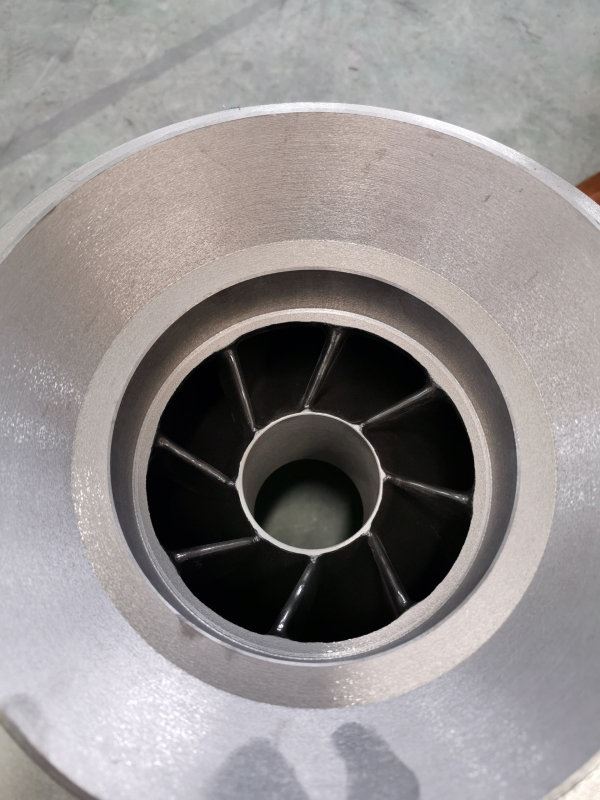
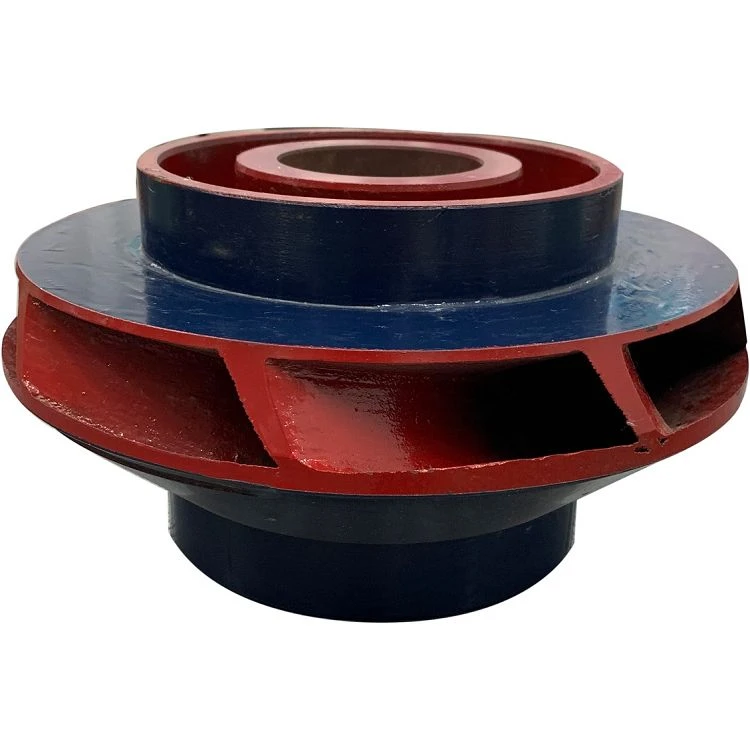
- Bronze: Bronze is a copper-based alloy that is known for its excellent corrosion resistance and low friction properties. It is commonly used in marine and other applications where the pump shaft is exposed to water and salt. You can check out our Bronze Pump Impeller for more details.
- Cast iron: Cast iron is a strong and durable material that is often used in pump shafts. It has good resistance to abrasion and can withstand high pressures. However, cast iron is more prone to corrosion than stainless steel or bronze. If you're interested in cast iron options, take a look at our Cast Iron Pump Impeller.
Sealing and Lubrication
Proper sealing and lubrication are essential for protecting a pump shaft from environmental factors. Seals prevent dirt, moisture, and chemicals from entering the pump and reaching the shaft. Lubrication reduces friction and wear, helping to extend the life of the shaft.
- Seals: There are several types of seals available for pump shafts, including mechanical seals, lip seals, and O-rings. Mechanical seals are the most common type of seal used in pumps. They consist of two flat surfaces that are pressed together to form a seal. Lip seals are used to prevent the leakage of fluids around the shaft. O-rings are used to seal joints and connections.
- Lubrication: Lubrication is important for reducing friction and wear between the pump shaft and other components. There are several types of lubricants available, including oils, greases, and synthetic lubricants. The type of lubricant you choose will depend on the application and the operating conditions.
Regular Maintenance
Finally, regular maintenance is crucial for keeping a pump shaft in good condition. This includes inspecting the shaft for signs of damage, cleaning it regularly, and replacing any worn or damaged components.
- Inspection: Regular inspections can help you detect any signs of damage or wear on the pump shaft. Look for signs of corrosion, abrasion, cracks, or other forms of damage. If you notice any problems, take action immediately to prevent further damage.
- Cleaning: Cleaning the pump shaft regularly can help to remove dirt, debris, and other contaminants that can cause damage. Use a mild detergent and a soft brush to clean the shaft. Avoid using abrasive cleaners or tools that could scratch the surface of the shaft.
- Component replacement: Over time, certain components of the pump shaft may wear out or become damaged. It's important to replace these components as soon as possible to prevent further damage to the shaft. This may include seals, bearings, and other parts.
Conclusion
Protecting a pump shaft from environmental factors is essential for ensuring its long-term performance and reliability. By using protective coatings, choosing the right material, sealing and lubricating properly, and performing regular maintenance, you can significantly extend the life of your pump shaft.
If you're in the market for high-quality pump shafts or need more information on how to protect them, feel free to reach out. We're here to help you find the best solutions for your specific needs.
References
- "Pump Handbook" by Igor J. Karassik, Joseph P. Messina, Paul Cooper, and Charles C. Heald.
- "Mechanical Seals and Systems" by John D. Dickson.
- "Corrosion Engineering" by Fontana and Greene.