Selecting the right impeller for a pump bowl is a critical decision that can significantly impact the performance, efficiency, and longevity of your pumping system. As a pump bowl supplier, I understand the complexities involved in this process and am here to guide you through the key considerations to ensure you make an informed choice.
Understanding the Basics of Pump Bowls and Impellers
Before delving into the selection process, it's essential to have a clear understanding of what pump bowls and impellers are and how they work together. A pump bowl is the outer casing of a pump that houses the impeller and other internal components. It plays a crucial role in directing the flow of fluid and providing structural support to the pump. On the other hand, an impeller is a rotating component with vanes or blades that imparts energy to the fluid, causing it to move through the pump.
The interaction between the pump bowl and the impeller is what determines the pump's performance characteristics, such as flow rate, head, and efficiency. Therefore, selecting the right impeller for your pump bowl is crucial to achieving optimal performance.
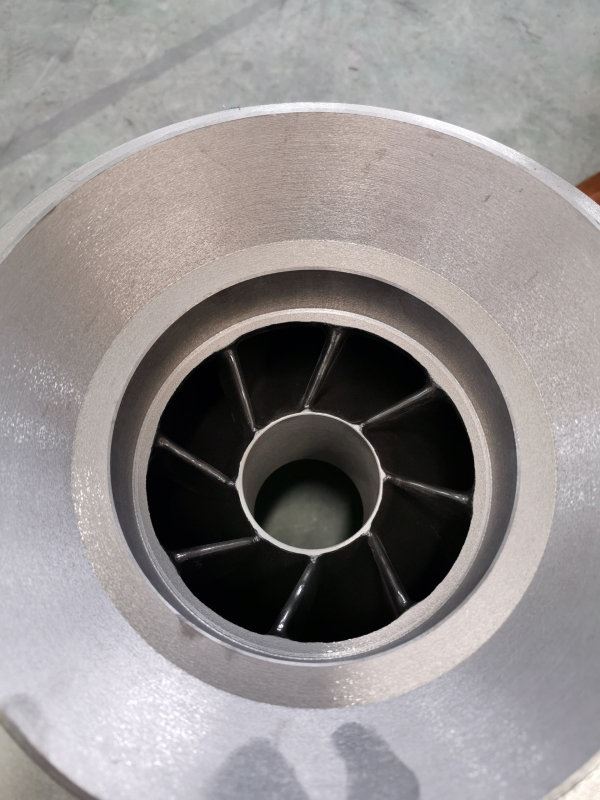

Factors to Consider When Selecting an Impeller
There are several factors to consider when selecting an impeller for a pump bowl. These factors include:
1. Flow Rate and Head Requirements
The flow rate and head requirements of your pumping system are the most critical factors to consider when selecting an impeller. The flow rate refers to the volume of fluid that the pump needs to move per unit of time, while the head refers to the pressure or energy required to move the fluid through the system.
To determine the appropriate impeller size and design for your flow rate and head requirements, you need to consult the pump's performance curve. The performance curve is a graphical representation of the pump's performance characteristics, showing the relationship between the flow rate, head, and power consumption. By analyzing the performance curve, you can select an impeller that can deliver the required flow rate and head at the desired efficiency.
2. Fluid Properties
The properties of the fluid being pumped, such as viscosity, density, and temperature, can also have a significant impact on the performance of the impeller. For example, high-viscosity fluids require impellers with larger diameters and wider vanes to overcome the increased resistance to flow. Similarly, fluids with high densities require impellers with more robust designs to handle the increased weight of the fluid.
In addition, the temperature of the fluid can affect the material selection of the impeller. High-temperature fluids may require impellers made from materials that can withstand the elevated temperatures without losing their mechanical properties.
3. Pump Bowl Design
The design of the pump bowl can also influence the selection of the impeller. Different pump bowl designs have different flow characteristics, which can affect the performance of the impeller. For example, some pump bowls are designed to provide a more uniform flow distribution, while others are designed to minimize turbulence and cavitation.
When selecting an impeller, it's important to choose one that is compatible with the design of the pump bowl. This will ensure that the impeller can operate efficiently and effectively within the pump bowl, maximizing the overall performance of the pumping system.
4. Material Selection
The material selection of the impeller is another important consideration. The impeller is exposed to the fluid being pumped, which can cause corrosion, erosion, and wear over time. Therefore, it's important to choose a material that is resistant to these types of damage.
Common materials used for impellers include stainless steel, cast iron, bronze, and plastic. Each material has its own advantages and disadvantages, depending on the specific application. For example, stainless steel is highly resistant to corrosion and erosion, making it a popular choice for pumping corrosive fluids. Cast iron, on the other hand, is a more economical option but may not be suitable for applications where corrosion resistance is critical.
5. Operating Conditions
The operating conditions of the pumping system, such as the speed of the pump, the type of motor used, and the frequency of operation, can also affect the selection of the impeller. For example, high-speed pumps may require impellers with more precise designs to minimize vibration and noise. Similarly, pumps that operate continuously may require impellers made from materials that can withstand the increased wear and tear.
When selecting an impeller, it's important to consider the specific operating conditions of your pumping system and choose an impeller that is designed to handle these conditions.
Types of Impellers
There are several types of impellers available, each with its own unique design and performance characteristics. The most common types of impellers include:
1. Closed Impellers
Closed impellers have vanes that are enclosed between two shrouds, which helps to direct the flow of fluid and improve the efficiency of the pump. Closed impellers are typically used in applications where high efficiency and low NPSH (Net Positive Suction Head) requirements are important.
2. Open Impellers
Open impellers have vanes that are not enclosed by shrouds, which makes them more suitable for handling fluids with solids or debris. Open impellers are typically used in applications where the fluid being pumped contains large particles or where the pump needs to operate in a dirty environment.
3. Semi-Open Impellers
Semi-open impellers have vanes that are partially enclosed by a shroud, which provides a balance between the efficiency of a closed impeller and the solids-handling capabilities of an open impeller. Semi-open impellers are typically used in applications where the fluid being pumped contains small particles or where the pump needs to operate in a moderately dirty environment.
Selecting the Right Impeller for Your Pump Bowl
Now that you have a better understanding of the factors to consider when selecting an impeller and the different types of impellers available, it's time to put this knowledge into practice and select the right impeller for your pump bowl. Here are the steps to follow:
1. Determine Your Flow Rate and Head Requirements
The first step in selecting the right impeller is to determine your flow rate and head requirements. This can be done by analyzing the performance requirements of your pumping system and consulting the pump's performance curve.
2. Consider the Fluid Properties
Next, consider the properties of the fluid being pumped, such as viscosity, density, and temperature. This will help you choose an impeller that is compatible with the fluid and can operate efficiently within the pumping system.
3. Evaluate the Pump Bowl Design
Evaluate the design of the pump bowl to ensure that the impeller you choose is compatible with the flow characteristics of the pump bowl. This will help to maximize the overall performance of the pumping system.
4. Choose the Right Material
Choose a material for the impeller that is resistant to corrosion, erosion, and wear. This will help to ensure the longevity of the impeller and the overall reliability of the pumping system.
5. Select the Type of Impeller
Based on your flow rate, head requirements, fluid properties, pump bowl design, and material selection, choose the type of impeller that is best suited for your application. Consider the advantages and disadvantages of each type of impeller and choose the one that offers the best balance of performance, efficiency, and durability.
Conclusion
Selecting the right impeller for a pump bowl is a critical decision that can significantly impact the performance, efficiency, and longevity of your pumping system. By considering the factors discussed in this blog post and following the steps outlined above, you can make an informed choice and select an impeller that is best suited for your application.
If you have any questions or need further assistance in selecting the right impeller for your pump bowl, please don't hesitate to contact us. As a pump bowl supplier, we have the expertise and experience to help you find the right solution for your pumping needs.
References
- Pump Handbook, 4th Edition, by Igor J. Karassik, Joseph P. Messina, Paul Cooper, and Charles C. Heald
- Centrifugal Pumps: Design and Application, by Heinz P. Bloch and Fred K. Geitner
- Fluid Mechanics, 5th Edition, by Frank M. White
Additional Resources
If you're interested in discussing your specific pump bowl and impeller needs, feel free to reach out to start a procurement discussion. We're here to help you find the perfect solutions for your pumping systems.