Troubleshooting pump suction issues is a critical task for anyone involved in fluid handling systems. As a pump suction supplier, I've encountered a wide range of problems over the years and have developed effective strategies to diagnose and resolve them. In this blog post, I'll share some insights on how to troubleshoot common pump suction issues.
Understanding the Basics of Pump Suction
Before delving into troubleshooting, it's essential to understand the fundamentals of pump suction. A pump works by creating a pressure difference to draw fluid from a source through the suction line and into the pump. The efficiency of this process depends on several factors, including the design of the suction system, the fluid properties, and the condition of the pump itself.
The suction line plays a crucial role in ensuring proper pump operation. It should be correctly sized, free of obstructions, and have minimal bends and fittings to reduce friction losses. Additionally, the elevation of the fluid source relative to the pump (net positive suction head available - NPSHa) must be sufficient to prevent cavitation, a phenomenon that can damage the pump and reduce its performance.
Common Pump Suction Issues and Their Symptoms
1. Cavitation
Cavitation is one of the most common and serious problems in pump systems. It occurs when the pressure in the suction line drops below the vapor pressure of the fluid, causing vapor bubbles to form. As these bubbles travel to higher-pressure areas within the pump, they collapse suddenly, creating shock waves that can damage the impeller, casing, and other internal components.
Symptoms of cavitation include a noisy pump, vibrations, reduced flow rate, and decreased efficiency. If left untreated, cavitation can lead to premature pump failure.
2. Blockages
Blockages in the suction line can restrict the flow of fluid into the pump, causing a decrease in performance. Common causes of blockages include debris, sediment, and foreign objects that have entered the suction line.
Symptoms of a blocked suction line include reduced flow rate, increased power consumption, and a pump that struggles to prime. In severe cases, the pump may not be able to draw any fluid at all.
3. Leaks
Leaks in the suction line can allow air to enter the system, leading to reduced pumping efficiency and potential cavitation. Leaks can occur at fittings, joints, or due to damage to the suction line itself.
Symptoms of suction line leaks include air bubbles in the fluid, a loss of prime, and a decrease in flow rate. Additionally, leaks can sometimes be detected by listening for hissing sounds or by observing wet spots around the suction line.
4. Incorrect Pipe Sizing
Using a suction pipe that is too small can result in high fluid velocities and increased friction losses, leading to reduced flow rate and efficiency. Conversely, using a pipe that is too large can cause the fluid to move too slowly, increasing the risk of sedimentation and blockages.
Symptoms of incorrect pipe sizing may include reduced flow, excessive noise, and inefficient operation. The pump may also require more power to achieve the desired flow rate.
5. Low NPSHa
As mentioned earlier, net positive suction head available (NPSHa) is the pressure difference between the fluid source and the pump inlet. If the NPSHa is too low, the pump may experience cavitation.
Symptoms of low NPSHa are similar to those of cavitation, including noise, vibrations, and reduced performance. Calculating the NPSHa involves considering factors such as the fluid level in the source, the elevation of the pump, the friction losses in the suction line, and the vapor pressure of the fluid.
Troubleshooting Steps
1. Visual Inspection
The first step in troubleshooting pump suction issues is to conduct a visual inspection of the suction system. Check the suction line for any signs of damage, leaks, or blockages. Look for loose fittings, cracks in the pipe, and any visible debris or sediment. Inspect the fluid source to ensure there is an adequate supply and that it is free of contaminants.
If you notice any signs of damage or leaks, repair or replace the affected components. Clear any blockages by flushing the suction line or using appropriate cleaning tools.
2. Check for Cavitation
To determine if cavitation is occurring, listen for the characteristic noisy operation of the pump. Vibrations can also be an indication of cavitation. If cavitation is suspected, check the NPSHa to ensure it is sufficient for the pump's requirements. You may need to consult the pump manufacturer's documentation for the specific NPSH requirements.
If the NPSHa is low, consider increasing the elevation of the fluid source, reducing the friction losses in the suction line by shortening the pipe or reducing the number of fittings, or using a pump with a lower NPSH requirement.
3. Verify Pipe Sizing
Measure the diameter of the suction pipe and compare it to the pump manufacturer's recommendations. If the pipe is too small or too large, consider replacing it with the appropriate size. Keep in mind that correct pipe sizing is crucial for maintaining proper fluid velocities and minimizing friction losses.
4. Test the Pump
Perform a performance test on the pump to measure the flow rate, pressure, and power consumption. Compare the test results to the pump's performance curve, which can usually be found in the pump's documentation. If the pump is not performing as expected, there may be an issue with the pump itself or the suction system.
If the pump is new or has recently been installed, ensure it is properly aligned and that all connections are tight. Check the impeller for damage or wear, as this can also affect the pump's performance.
5. Monitor the System
Once you have made any necessary repairs or adjustments, monitor the pump and the suction system for a period of time to ensure the issues have been resolved. Keep an eye on the flow rate, pressure, and power consumption, and listen for any unusual noises or vibrations. Regular monitoring can help detect any potential problems early on and prevent more significant issues from developing.
Choosing the Right Pump Suction Components
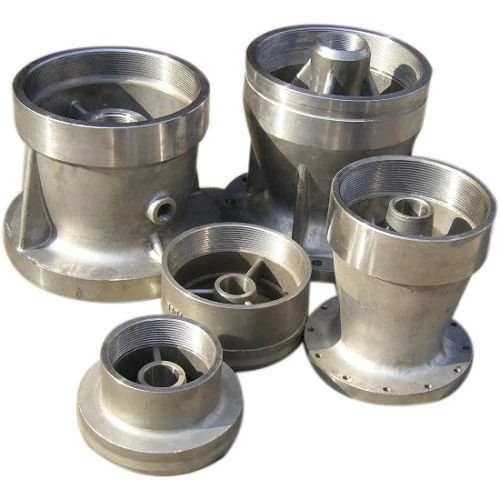
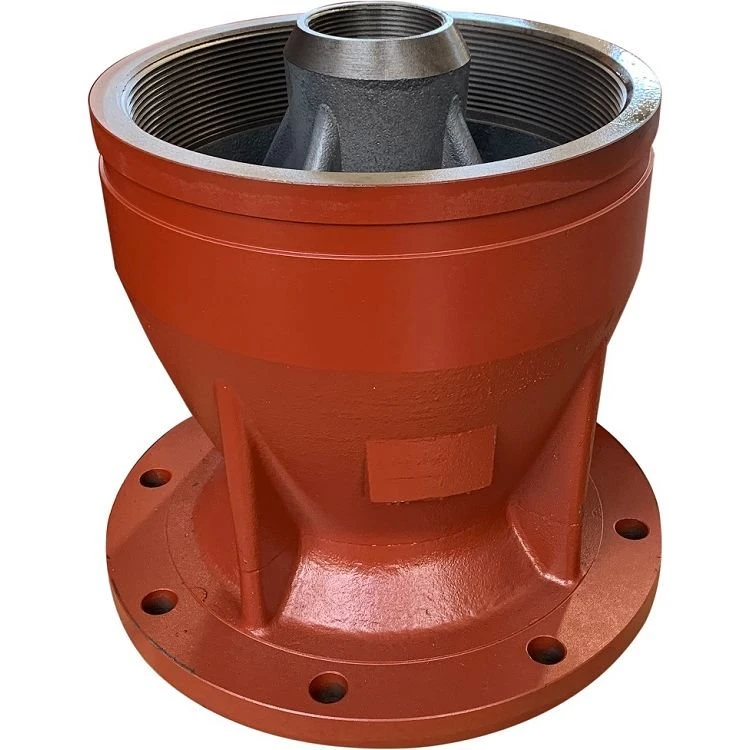
When it comes to pump suction systems, choosing the right components is essential for reliable and efficient operation. At our company, we offer a wide range of high-quality pump suction products, including Stainless Steel Pump Suction and Cast Iron Pump Suction.
Stainless steel pump suction components are corrosion-resistant and suitable for use in a variety of applications, including those involving aggressive fluids. Cast iron pump suction parts, on the other hand, offer excellent durability and strength, making them a popular choice for many industrial and commercial applications.
Our team of experts can help you select the right pump suction components based on your specific requirements, such as the type of fluid, the flow rate, and the operating conditions. We also provide technical support and installation services to ensure that your pump suction system is installed correctly and functions optimally.
Conclusion
Troubleshooting pump suction issues requires a systematic approach and a basic understanding of the principles of pump operation. By following the steps outlined in this blog post, you can effectively diagnose and resolve common pump suction problems, ensuring the reliable and efficient operation of your pump system.
If you are experiencing pump suction issues or are in need of high-quality pump suction components, we would be happy to assist you. Contact us to discuss your specific requirements and to learn more about our products and services. Our team of experts is ready to help you find the best solutions for your pump suction needs.
References
- Palmer, S. Pressure and Flow: A Practical Guide to Pump System Design and Application. Elsevier, 2016.
- Karassik, I.J., et al. Pump Handbook. McGraw-Hill Education, 2012.
- Walas, S.M. Chemical Process Equipment: Selection and Design. Butterworth-Heinemann, 2010.