As a supplier of Sea Water Pump Parts, I've witnessed firsthand the various challenges that sea water pump impellers face. Sea water pumps are crucial components in many marine and industrial applications, from desalination plants to offshore oil rigs. The impeller, in particular, plays a vital role in the pump's functionality, as it is responsible for transferring energy to the sea water and creating the necessary flow. In this blog, I'll delve into the common problems associated with sea water pump impellers and discuss potential solutions.
1. Corrosion
One of the most significant issues with sea water pump impellers is corrosion. Sea water is a highly corrosive medium due to its high salt content, which can cause rapid deterioration of the impeller material. Corrosion can manifest in different forms, such as uniform corrosion, pitting corrosion, and crevice corrosion.
- Uniform Corrosion: This occurs when the entire surface of the impeller is gradually worn away by the corrosive action of sea water. It can lead to a reduction in the impeller's thickness, which in turn affects its performance and efficiency.
- Pitting Corrosion: Pitting is a localized form of corrosion that results in the formation of small holes or pits on the impeller surface. These pits can penetrate deep into the material, weakening the impeller and potentially causing it to fail prematurely.
- Crevice Corrosion: Crevice corrosion occurs in areas where there are small gaps or crevices, such as between the impeller and the pump casing. The stagnant sea water in these crevices creates an environment that is more corrosive than the surrounding area, leading to accelerated corrosion.
To mitigate the effects of corrosion, it's essential to choose the right material for the impeller. Materials such as stainless steel, bronze, and nickel-aluminum bronze are commonly used due to their excellent corrosion resistance. Additionally, applying protective coatings or linings to the impeller surface can provide an extra layer of protection against corrosion.
2. Erosion
Erosion is another common problem that affects sea water pump impellers. Erosion occurs when solid particles, such as sand or sediment, in the sea water collide with the impeller surface at high velocities. These collisions can cause the impeller material to wear away, leading to a loss of efficiency and performance.
- Cavitation Erosion: Cavitation is a phenomenon that occurs when the pressure in the pump drops below the vapor pressure of the sea water, causing the formation of vapor bubbles. When these bubbles collapse near the impeller surface, they generate high-pressure shock waves that can erode the material. Cavitation erosion can be particularly severe in pumps operating at high speeds or under low suction conditions.
- Solid Particle Erosion: Solid particle erosion is caused by the impact of solid particles in the sea water on the impeller surface. This type of erosion is more common in areas with high sediment loads, such as rivers or coastal regions.
To prevent erosion, it's important to ensure that the sea water entering the pump is free of solid particles as much as possible. This can be achieved by using appropriate filtration systems upstream of the pump. Additionally, choosing an impeller material with high hardness and wear resistance can help reduce the effects of erosion.
3. Imbalance
Imbalance is a mechanical problem that can occur in sea water pump impellers. An imbalanced impeller can cause excessive vibration and noise, which can lead to premature wear and failure of the pump components. Imbalance can be caused by a variety of factors, such as manufacturing defects, uneven wear, or the presence of foreign objects on the impeller.
- Static Imbalance: Static imbalance occurs when the center of gravity of the impeller does not coincide with the axis of rotation. This can cause the impeller to wobble during operation, leading to increased vibration.
- Dynamic Imbalance: Dynamic imbalance occurs when the impeller has an uneven distribution of mass around its axis of rotation. This can cause the impeller to vibrate in a complex manner, which can be more difficult to detect and correct.
To correct imbalance, the impeller needs to be balanced using specialized equipment. This involves adding or removing small amounts of material from the impeller to ensure that its center of gravity is aligned with the axis of rotation. Regular maintenance and inspection of the impeller can help detect and correct imbalance before it causes significant damage to the pump.
4. Cavitation
As mentioned earlier, cavitation is a phenomenon that can cause serious damage to sea water pump impellers. Cavitation occurs when the pressure in the pump drops below the vapor pressure of the sea water, causing the formation of vapor bubbles. These bubbles collapse near the impeller surface, generating high-pressure shock waves that can erode the material and cause noise and vibration.
- Inlet Cavitation: Inlet cavitation occurs when the pressure at the pump inlet is too low, causing the sea water to vaporize. This can be caused by a variety of factors, such as a clogged suction line, a high suction lift, or a low flow rate.
- Internal Cavitation: Internal cavitation occurs within the pump due to the high-velocity flow of sea water. This can be caused by a design flaw in the pump or by operating the pump at a high speed or under low suction conditions.
To prevent cavitation, it's important to ensure that the pump is properly sized and installed. The suction line should be free of any obstructions, and the pump should be operated within its recommended flow and pressure range. Additionally, using a pump with a larger impeller diameter or a higher NPSH (Net Positive Suction Head) requirement can help reduce the risk of cavitation.
5. Material Fatigue
Material fatigue is a long-term problem that can affect sea water pump impellers. Fatigue occurs when the impeller is subjected to repeated cyclic loading, such as the forces generated by the rotation of the impeller and the flow of sea water. Over time, these cyclic loads can cause cracks to form in the impeller material, which can eventually lead to failure.
- High-Cycle Fatigue: High-cycle fatigue occurs when the impeller is subjected to a large number of cycles at a relatively low stress level. This type of fatigue is more common in pumps operating at high speeds or under continuous operation.
- Low-Cycle Fatigue: Low-cycle fatigue occurs when the impeller is subjected to a small number of cycles at a high stress level. This type of fatigue is more common in pumps that are subjected to sudden changes in load or operating conditions.
To prevent material fatigue, it's important to choose an impeller material with high fatigue resistance. Additionally, designing the impeller to minimize stress concentrations and ensuring that the pump is operated within its recommended limits can help reduce the risk of fatigue failure.
Solutions and Conclusion
In conclusion, sea water pump impellers face a variety of challenges, including corrosion, erosion, imbalance, cavitation, and material fatigue. To ensure the reliable and efficient operation of sea water pumps, it's essential to address these problems through proper material selection, design, and maintenance.
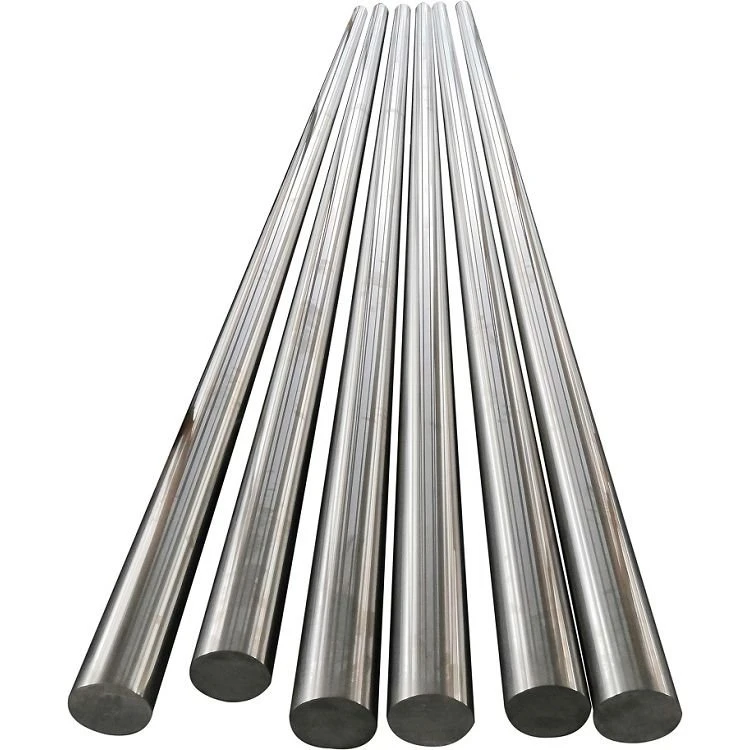
As a supplier of Sea Water Pump Parts, we offer a wide range of high-quality impellers made from corrosion-resistant materials. Our impellers are designed to withstand the harsh conditions of sea water applications and provide long-lasting performance. Additionally, we also offer Pump Shafts and other pump components to ensure the complete functionality of your sea water pump.
If you're experiencing problems with your sea water pump impellers or are looking for high-quality pump parts, we invite you to contact us for a consultation. Our team of experts can help you choose the right parts for your specific application and provide you with the support and advice you need to keep your pumps running smoothly.
References
- Perry, R. H., & Green, D. W. (Eds.). (2008). Perry's Chemical Engineers' Handbook. McGraw-Hill.
- Schaschke, A. F. (2004). Pump Handbook. McGraw-Hill.
- Karassik, I. J., Messina, J. P., Cooper, P. T., & Heald, C. C. (2008). Pump Handbook. McGraw-Hill.