When it comes to pump parts, one of the most common decisions that customers face is whether to choose Original Equipment Manufacturer (OEM) parts or aftermarket parts. As a pump parts supplier, I've seen firsthand the benefits and drawbacks of both options, and I'm here to shed some light on the differences between OEM and aftermarket pump parts.
Definition and Origin
OEM pump parts are manufactured by the same company that produced the original pump. These parts are designed to meet the exact specifications and standards of the original equipment, ensuring a perfect fit and optimal performance. For example, if you have a pump made by a well - known brand, the OEM parts for that pump will be produced by the same brand.
On the other hand, aftermarket pump parts are produced by third - party manufacturers. These manufacturers are not the original producers of the pump but instead create parts that are intended to be compatible with a wide range of pumps. Aftermarket parts can be found in various quality levels, from budget - friendly options to high - end, performance - oriented parts.
Quality and Compatibility
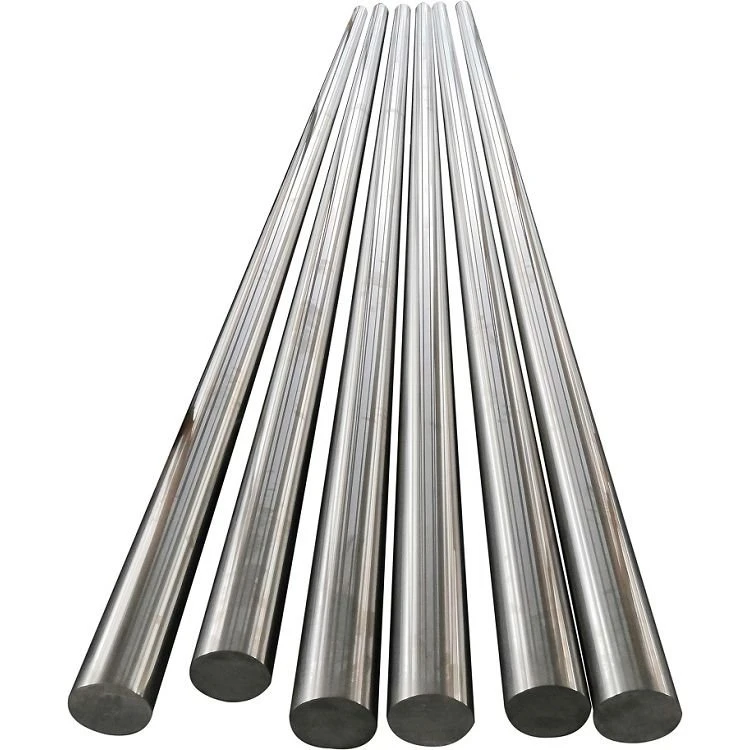
One of the most significant differences between OEM and aftermarket pump parts lies in their quality and compatibility. OEM parts are known for their high - quality standards. Since they are made by the original manufacturer, they are engineered to work seamlessly with the pump. This means that you can expect a precise fit, which reduces the risk of leaks, vibrations, and premature wear. For instance, an Pump Shaft from the OEM will have the exact dimensions and material properties required by the pump, ensuring smooth operation.
Aftermarket parts, however, vary widely in quality. Some aftermarket manufacturers invest heavily in research and development to produce parts that are on par with or even better than OEM parts. These high - quality aftermarket parts can offer excellent performance and compatibility. But there are also many low - quality aftermarket parts on the market. These parts may not fit correctly, leading to issues such as improper alignment, which can cause excessive stress on other components of the pump and ultimately lead to pump failure.
Cost
Cost is often a major factor when choosing between OEM and aftermarket pump parts. OEM parts generally come with a higher price tag. This is because the original manufacturer has to cover the costs of research, development, and production, as well as brand value. For some customers, especially those with large - scale industrial operations or high - end pumps, the cost of OEM parts may be justified by the peace of mind and long - term reliability they offer.
Aftermarket parts, in contrast, are usually more affordable. This makes them an attractive option for customers on a tight budget or those who need to replace parts frequently. However, it's important to note that the lower cost doesn't always mean lower quality. There are many aftermarket suppliers who can provide high - quality parts at a fraction of the cost of OEM parts.
Availability
Availability is another aspect where OEM and aftermarket parts differ. OEM parts may sometimes be difficult to obtain, especially for older or less - common pump models. The original manufacturer may have limited stock, or they may discontinue the production of certain parts over time. This can lead to long lead times and delays in getting your pump up and running again.
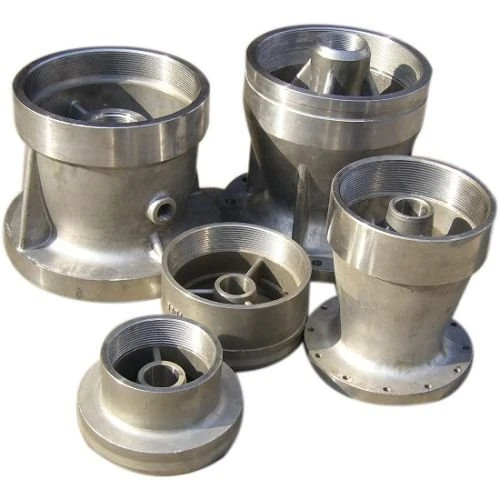
Aftermarket parts, on the other hand, are often more readily available. Third - party manufacturers can produce parts in larger quantities and may have a wider range of inventory. This means that you're more likely to find the parts you need quickly, reducing downtime and minimizing the impact on your operations. For example, if you need Sea Water Pump Parts, an aftermarket supplier may have a larger selection in stock compared to the OEM.
Warranty and Support
OEM parts usually come with a warranty from the original manufacturer. This warranty can provide customers with added protection and assurance. If there is a problem with the part, the manufacturer will often repair or replace it at no cost within the warranty period. Additionally, the original manufacturer can offer technical support and expertise, which can be invaluable when troubleshooting pump issues.
Aftermarket parts may also come with a warranty, but the terms and conditions can vary widely. Some aftermarket suppliers offer comprehensive warranties, while others may have more limited coverage. The level of technical support provided by aftermarket suppliers can also vary. Some may have a team of experts available to assist customers, while others may offer only basic support.
Performance and Longevity
In terms of performance, OEM parts are designed to maintain the original performance of the pump. They are tested and optimized to work in harmony with the other components of the pump, ensuring that the pump operates at its best. This can lead to better energy efficiency, higher flow rates, and more consistent performance over time.
The performance of aftermarket parts depends on their quality. High - quality aftermarket parts can perform just as well as OEM parts, and in some cases, they may even offer improved performance. For example, some aftermarket parts are designed with advanced materials or innovative designs that can enhance the pump's efficiency or durability. However, low - quality aftermarket parts may not perform as well and may have a shorter lifespan.
Longevity is also an important consideration. OEM parts are built to the same standards as the original pump, which means they are likely to last as long as the pump itself. Aftermarket parts, again, vary in terms of longevity. High - quality aftermarket parts can have a long lifespan, but low - quality parts may need to be replaced more frequently, which can end up costing more in the long run.
Which One Should You Choose?
The choice between OEM and aftermarket pump parts depends on several factors. If you have a high - end or critical pump, or if you want the peace of mind that comes with using parts from the original manufacturer, OEM parts may be the best option. They offer a perfect fit, high - quality performance, and reliable warranty and support.
However, if you're on a budget, need parts quickly, or have a less - critical pump, aftermarket parts can be a great choice. Just make sure to do your research and choose a reputable aftermarket supplier. Look for suppliers who have a good track record, offer quality products, and provide excellent customer service.
As a pump parts supplier, I'm here to help you make the right decision. Whether you need OEM or aftermarket parts, I can provide you with a wide range of options to meet your specific needs. If you're interested in learning more about our products or have any questions about pump parts, please feel free to reach out. We're ready to assist you in finding the best parts for your pumps and ensuring their optimal performance.
References
- "Pump Handbook" by Igor J. Karassik et al.
- Industry reports on pump parts manufacturing and supply.