As a long - standing supplier of Cast Iron Casting, I've had the privilege of witnessing the diverse applications and benefits of cast iron in various industries. Cast iron is well - known for its excellent castability, high wear resistance, and good damping capacity. However, when it comes to die - casting for cast iron, there are some notable disadvantages that need to be considered.
High Melting Point and Energy Consumption
One of the most significant drawbacks of die - casting cast iron is its high melting point. Cast iron typically has a melting point in the range of 1150 - 1300°C (2102 - 2372°F), which is considerably higher compared to other metals commonly used in die - casting, such as aluminum (around 660°C or 1220°F) and zinc (around 420°C or 788°F).
This high melting point requires a substantial amount of energy to heat the metal to the molten state. In a die - casting process, large amounts of energy are consumed not only in melting the cast iron but also in maintaining the proper temperature throughout the casting operation. The energy - intensive nature of melting cast iron not only increases production costs but also has a negative impact on the environment, as it leads to higher carbon emissions from the energy - generating sources.
Tooling Wear and Cost
The high melting point and the abrasive nature of cast iron also cause significant wear on the die - casting tools. Die - casting dies are typically made of tool steels, which can withstand high pressures and temperatures. However, the extreme heat and the abrasive particles in molten cast iron can quickly erode the surface of the dies.
The rapid wear of the dies leads to frequent replacement or re - machining of the tooling. This not only adds to the production costs but also results in production downtime. The cost of manufacturing high - quality die - casting dies for cast iron is already relatively high due to the need for materials that can withstand the harsh conditions. And when considering the short lifespan of these dies, the overall cost of die - casting cast iron becomes even more prohibitive.
Limited Complexity of Castings
Die - casting is often chosen for its ability to produce complex - shaped parts with high precision. However, when it comes to cast iron, achieving highly complex geometries can be challenging. The high viscosity of molten cast iron makes it difficult to flow into thin and intricate sections of the die cavity.
Compared to metals like aluminum or zinc, which have lower viscosities and better fluidity, cast iron may not fully fill the die cavity, especially in areas with small cross - sections or sharp corners. This can result in incomplete castings, with voids or porosity in the final product. As a result, the design freedom for die - cast cast iron parts is somewhat limited, and manufacturers may need to compromise on the complexity of the parts they can produce.
Porosity and Defects
Porosity is a common issue in die - casting, and it is particularly problematic for cast iron. During the solidification process, the dissolved gases in the molten cast iron can form bubbles, leading to porosity in the casting. Additionally, the high cooling rate in die - casting can cause uneven solidification, which may result in shrinkage cavities and cracks.
Porosity and other defects in cast iron can significantly reduce the mechanical properties of the final product, such as its strength, ductility, and fatigue resistance. These defects may also make the castings more susceptible to corrosion. Detecting and eliminating these defects can be time - consuming and costly, often requiring additional inspection and post - processing steps.
Difficulties in Recycling
Recycling is an important aspect of modern manufacturing, as it helps to reduce waste and conserve resources. However, die - casting cast iron presents challenges in terms of recycling. The presence of impurities and alloying elements in cast iron can make it difficult to recycle the scrap castings back into high - quality castings.
When recycling die - cast cast iron, the high melting point and the need to remove impurities require additional processing steps. These steps increase the cost and complexity of the recycling process. Moreover, the recycling of die - cast cast iron may not always result in a product with the same quality as the original casting, as the recycling process may introduce new impurities or change the microstructure of the cast iron.
Impact on Productivity
The combination of the factors mentioned above, such as tooling wear, limited casting complexity, and the need to deal with defects, has a significant impact on the productivity of die - casting cast iron. The frequent die replacement, the difficulty in producing complex parts, and the time - consuming inspection and post - processing steps all contribute to longer production cycles.
In a competitive manufacturing environment, longer production cycles mean slower delivery times and reduced overall output. This can put die - casting cast iron at a disadvantage compared to other casting methods or materials, especially when meeting tight production schedules is crucial.
Alternatives and Considerations
Despite the disadvantages of die - casting cast iron, there are still situations where it may be the preferred choice. For example, when high strength and wear resistance are required, and the design complexity can be adjusted to accommodate the limitations of cast iron die - casting, it can still be a viable option.
In some cases, alternative casting methods such as sand casting or investment casting may be more suitable for cast iron. Sand casting, for instance, has a lower tooling cost and can handle the high - temperature and high - viscosity nature of cast iron better. It also allows for greater design flexibility, as it can produce larger and more complex - shaped parts.
If the application requires a more complex geometry, Ductile Iron Casting can be considered. Ductile iron has better fluidity and ductility compared to traditional cast iron, which makes it more suitable for die - casting operations in some cases. It can also achieve better mechanical properties, such as higher tensile strength and ductility.
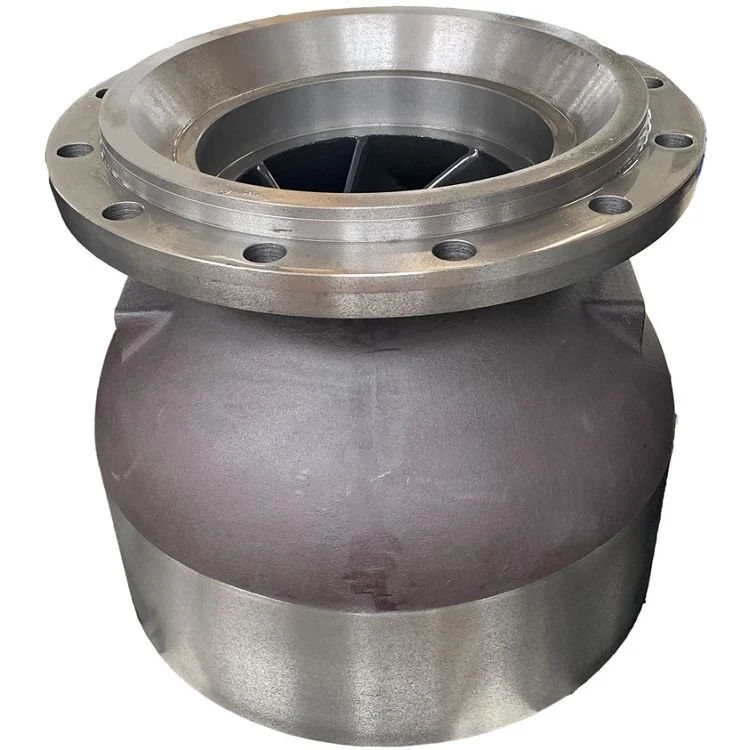
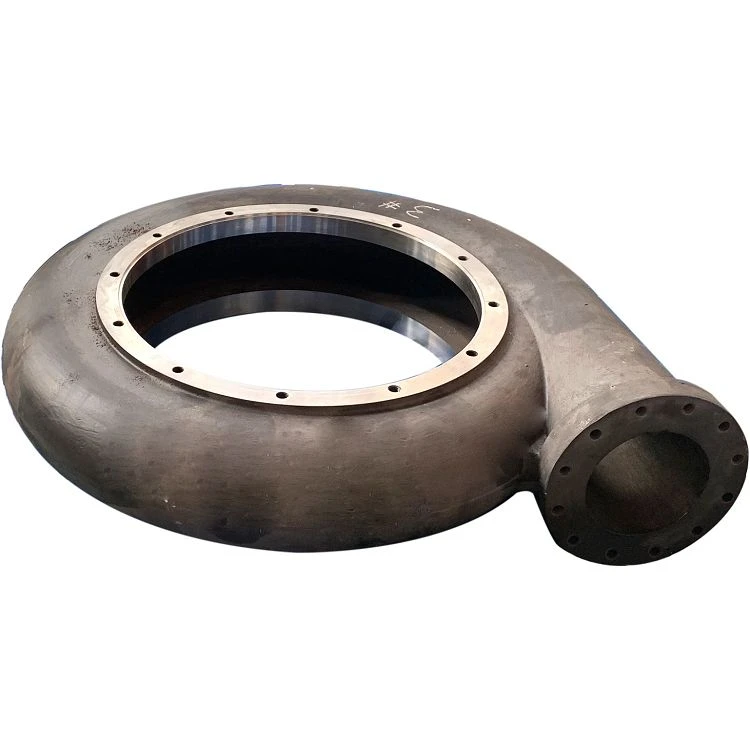
Another alternative is to use Wear Resistant Pump Parts made from other materials that are more suitable for die - casting. For applications where wear resistance is a key requirement, materials like certain grades of stainless steel or aluminum alloys can be used instead of cast iron. These materials may offer better fluidity, lower tooling wear, and fewer defects in the die - casting process.
Conclusion
As a supplier of Cast Iron Casting, I understand the unique properties and advantages of cast iron. However, when it comes to die - casting, the disadvantages cannot be ignored. The high energy consumption, tooling wear, limited complexity of castings, porosity issues, and difficulties in recycling all pose significant challenges to the die - casting of cast iron.
While there are still some applications where die - casting cast iron may be appropriate, manufacturers should carefully evaluate the costs and benefits before choosing this method. In many cases, alternative casting methods or materials may offer better performance and cost - effectiveness.
If you are in the market for high - quality cast iron castings or are looking for solutions to your casting needs, I encourage you to contact us. Our team of experts can provide you with detailed information and guidance on the most suitable casting methods and materials for your specific applications. We are committed to delivering the best - quality products and services to meet your requirements.
References
- Campbell, J. (2003). Casting. Butterworth - Heinemann.
2.ASM Handbook Committee. (2008). ASM Handbook Volume 15: Casting. ASM International. - Flemings, M. C. (1974). Solidification Processing. McGraw - Hill.