Hey there! As a pump shaft supplier, I often get asked about the manufacturing standards for pump shafts. It's a crucial topic because the quality of a pump shaft directly impacts the performance and lifespan of the entire pump system. In this blog, I'll break down the key manufacturing standards that we follow to ensure top - notch pump shafts.
Material Selection
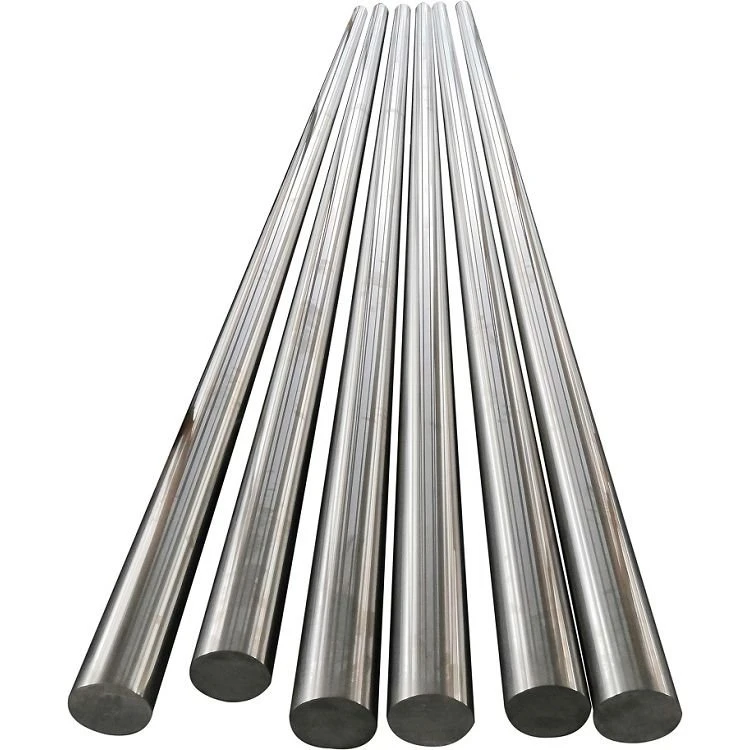
The first step in manufacturing a high - quality pump shaft is choosing the right material. Different applications require different materials, and we take this into account when producing our Pump Shaft.
For general industrial applications, stainless steel is a popular choice. It offers excellent corrosion resistance, which is essential when the pump is dealing with various fluids. Stainless steel also has good mechanical properties, such as high strength and toughness. This means the shaft can withstand the forces and stresses during operation without deforming easily.
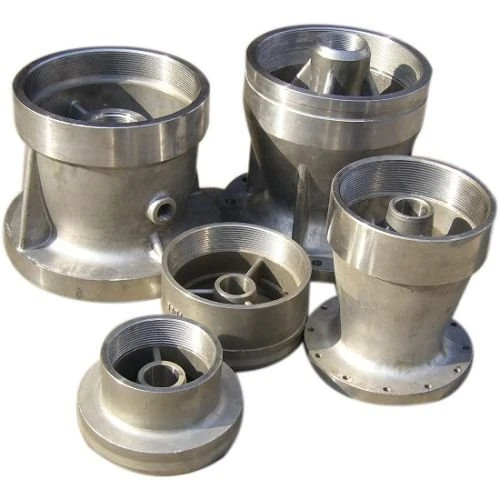
In marine applications, like in Sea Water Pump Parts, the environment is much harsher. Sea water is highly corrosive, so we use materials like duplex stainless steel or titanium. Duplex stainless steel has a higher resistance to pitting and crevice corrosion compared to regular stainless steel. Titanium, on the other hand, is extremely corrosion - resistant and has a high strength - to - weight ratio. This makes it ideal for sea water pumps where weight might also be a consideration.
Dimensional Accuracy
Dimensional accuracy is another critical manufacturing standard. A pump shaft needs to fit precisely into the pump assembly. Even a small deviation in dimensions can lead to problems like misalignment, vibration, and premature wear.
We use advanced machining techniques to ensure that the diameter, length, and other critical dimensions of the pump shaft meet the required specifications. Computer - Numerical - Control (CNC) machining is our go - to method. It allows us to achieve very high levels of accuracy, often within a few micrometers.
For example, the diameter of the shaft where the impeller is mounted needs to be within a tight tolerance. If it's too large, the impeller might not fit properly, and if it's too small, it can cause the impeller to wobble during operation. We also pay close attention to the surface finish of the shaft. A smooth surface finish reduces friction and wear, which in turn improves the efficiency and lifespan of the pump.
Heat Treatment
Heat treatment is an important process in pump shaft manufacturing. It helps to enhance the mechanical properties of the shaft, such as hardness, strength, and toughness.
We typically use processes like quenching and tempering. Quenching involves heating the shaft to a specific temperature and then rapidly cooling it. This creates a hard outer layer on the shaft. However, quenching can also make the shaft brittle. That's where tempering comes in. Tempering is a process of reheating the quenched shaft to a lower temperature and then cooling it slowly. This relieves the internal stresses in the shaft and improves its toughness.
The heat treatment process needs to be carefully controlled. If the temperature or cooling rate is not right, it can lead to defects like cracking or uneven hardness. We use state - of - the - art heat treatment equipment and strict quality control measures to ensure that the heat treatment is done correctly.
Surface Coating
Surface coating can further enhance the performance of a pump shaft. It can provide additional protection against corrosion, wear, and chemical attack.
One common surface coating is nitriding. Nitriding involves diffusing nitrogen into the surface of the shaft. This creates a hard, wear - resistant layer on the shaft. It also improves the corrosion resistance of the shaft, especially in environments where there are corrosive chemicals.
Another option is applying a polymer coating. Polymer coatings can provide a smooth, non - stick surface that reduces friction and wear. They can also be customized to have specific properties, such as resistance to certain chemicals or high temperatures.
Quality Control
Quality control is an ongoing process throughout the manufacturing of pump shafts. We have a comprehensive quality control system in place to ensure that every pump shaft meets the required standards.
We start with incoming material inspection. We check the chemical composition and mechanical properties of the raw materials to make sure they are up to par. During the machining process, we perform in - process inspections. This involves measuring the dimensions of the shaft at various stages to ensure that it's being machined correctly.
After the heat treatment and surface coating processes, we conduct additional tests. We use non - destructive testing methods like ultrasonic testing to check for internal defects in the shaft. We also perform hardness testing and surface finish measurements to ensure that the mechanical and surface properties of the shaft meet the specifications.
Finally, before the pump shaft is shipped out, we do a final inspection. This includes a visual inspection to check for any surface defects and a functional test to make sure the shaft performs as expected.
Compliance with Industry Standards
In addition to our internal quality control measures, our pump shafts also comply with various industry standards. For example, we follow the standards set by the American Petroleum Institute (API) for pump shafts used in the oil and gas industry. These standards cover everything from material selection to testing requirements.
We also comply with international standards like ISO 9001, which is a quality management system standard. This ensures that our manufacturing processes are consistent and reliable, and that we are continuously improving our quality control measures.
Why Choose Our Pump Shafts
Our pump shafts are the result of years of experience and a commitment to quality. We use the latest manufacturing techniques and the highest - quality materials to ensure that our pump shafts are reliable, durable, and efficient.
Whether you need a pump shaft for a general industrial application or a specialized marine application, we have the expertise to meet your needs. Our strict adherence to manufacturing standards means that you can trust our pump shafts to perform well in your pump system.
If you're in the market for high - quality pump shafts, I encourage you to get in touch with us. We'd be more than happy to discuss your specific requirements and provide you with a customized solution. Whether it's about material selection, dimensional accuracy, or any other aspect of pump shaft manufacturing, we're here to help. Start a conversation with us today and see how our pump shafts can enhance the performance of your pump systems.
References
- American Petroleum Institute (API) Standards
- ISO 9001 Quality Management System Standards
- Technical literature on pump shaft manufacturing and materials science