As a seasoned supplier of sea water pumps, I've witnessed firsthand the diverse needs and challenges that come with operating these essential pieces of equipment. Sea water pumps are crucial in various industries, from marine applications to desalination plants, and understanding their operating conditions is key to ensuring their optimal performance and longevity.
Temperature Range
One of the primary factors that significantly affect the operation of sea water pumps is the temperature of the water. Sea water temperatures can vary widely depending on the location, season, and depth. In general, sea water pumps are designed to operate within a specific temperature range. Most standard pumps can handle water temperatures between 0°C and 40°C. However, for specialized applications, pumps can be engineered to withstand extreme temperatures.
For instance, in polar regions, where sea water temperatures can drop well below freezing, pumps need to be equipped with features to prevent freezing and ensure continuous operation. On the other hand, in tropical areas, where water temperatures can exceed 30°C, pumps must be able to handle the increased heat without suffering from overheating or reduced efficiency.
It's important to note that high temperatures can cause the viscosity of sea water to decrease, which may affect the pump's performance. Additionally, extreme temperatures can also impact the materials used in the pump's construction. For example, rubber seals and gaskets may become brittle in cold temperatures or soften and lose their sealing properties in high temperatures. Therefore, when selecting a sea water pump, it's crucial to consider the expected temperature range of the operating environment and choose a pump that is designed to handle those conditions.
Salinity and Corrosion
Sea water is highly corrosive due to its high salt content. The salinity of sea water typically ranges from 32 to 37 parts per thousand (ppt), which means that for every 1000 grams of sea water, there are 32 to 37 grams of dissolved salts. This high salt concentration can cause significant corrosion to the pump's components, especially if they are not made of corrosion-resistant materials.
To combat corrosion, sea water pumps are often made from materials such as stainless steel, bronze, or titanium. These materials have excellent resistance to the corrosive effects of sea water and can withstand the harsh operating conditions. For example, stainless steel is a popular choice for pump components because it contains chromium, which forms a protective oxide layer on the surface of the metal, preventing further corrosion.
In addition to using corrosion-resistant materials, proper maintenance is also essential to prevent corrosion. Regular inspection and cleaning of the pump can help remove any salt deposits or debris that may accumulate on the components. It's also important to use a suitable anti-corrosion coating or paint on the pump's exterior to provide an additional layer of protection.
Pressure Requirements
The pressure requirements for sea water pumps depend on the specific application. In some cases, such as in desalination plants, high-pressure pumps are needed to force sea water through the reverse osmosis membranes. These pumps can operate at pressures of up to 800 psi (pounds per square inch) or more.
On the other hand, in other applications, such as cooling systems or ballast water management, lower-pressure pumps may be sufficient. The pressure requirements also depend on the distance the water needs to be pumped and the elevation change. For example, if the pump needs to lift water from a lower level to a higher level, it will require more pressure to overcome the gravitational force.
When selecting a sea water pump, it's important to accurately determine the pressure requirements of the application. This can be done by calculating the total dynamic head (TDH), which includes the friction losses in the pipes, the elevation change, and the pressure required at the discharge point. A pump with the appropriate pressure rating should be chosen to ensure efficient and reliable operation.
Flow Rate
The flow rate of a sea water pump refers to the volume of water that the pump can deliver per unit of time. It is typically measured in gallons per minute (GPM) or cubic meters per hour (m³/h). The required flow rate depends on the specific application. For example, in a large desalination plant, a high flow rate is needed to produce a sufficient amount of fresh water.
When selecting a sea water pump, it's important to choose a pump with a flow rate that meets the requirements of the application. However, it's also important to consider the efficiency of the pump at different flow rates. Most pumps have an optimal flow rate range where they operate most efficiently. Operating the pump outside of this range can result in reduced efficiency, increased energy consumption, and premature wear and tear.
Type of Sea Water Pump
There are several types of sea water pumps available, each with its own unique operating conditions and advantages. Two common types of sea water pumps are submersible sea water pumps and centrifugal sea water pumps.
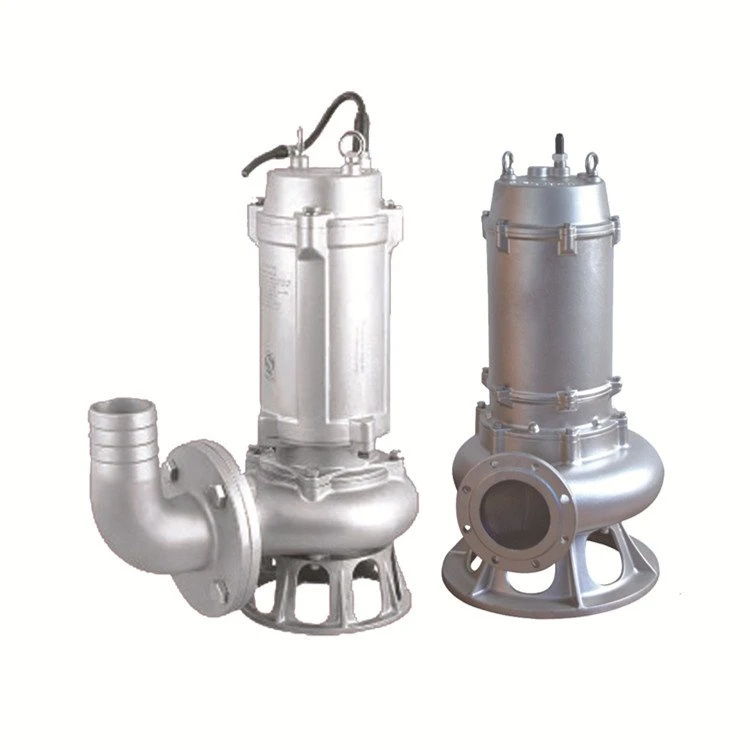
A Submersible Sea Water Pump is designed to be submerged in the sea water. This type of pump is often used in applications where the water source is deep or where a compact and efficient pumping solution is required. Submersible pumps are typically more efficient than other types of pumps because they don't have to lift the water from a lower level to the pump inlet. However, they require a reliable power supply and proper sealing to prevent water from entering the motor.
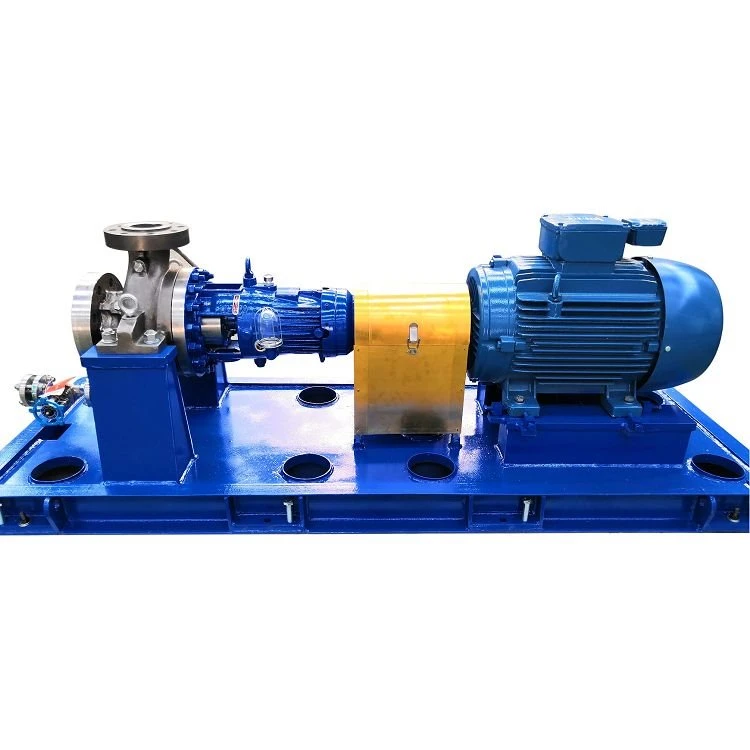
A Centrifugal Sea Water Pump uses centrifugal force to move the water. It consists of an impeller that rotates at high speed, creating a centrifugal force that pushes the water out of the pump. Centrifugal pumps are widely used in various applications because they are relatively simple in design, easy to operate, and can handle a wide range of flow rates and pressures. However, they are less efficient at low flow rates and may require additional components, such as a suction strainer, to prevent debris from entering the pump.
Maintenance and Service
Proper maintenance and service are essential to ensure the long-term performance and reliability of sea water pumps. Regular maintenance can help prevent breakdowns, reduce energy consumption, and extend the lifespan of the pump. Some of the key maintenance tasks include:
- Inspection: Regular inspection of the pump's components, such as the impeller, bearings, and seals, can help identify any signs of wear or damage. Early detection of problems can prevent more serious issues from developing.
- Cleaning: Cleaning the pump and its components can help remove any salt deposits, debris, or biological growth that may accumulate over time. This can improve the pump's efficiency and prevent corrosion.
- Lubrication: Proper lubrication of the pump's bearings and other moving parts is essential to reduce friction and wear. It's important to use the correct type of lubricant and follow the manufacturer's recommendations for lubrication intervals.
- Replacement of worn parts: Over time, some of the pump's components may wear out and need to be replaced. It's important to use genuine replacement parts to ensure the proper fit and performance of the pump.
Conclusion
Operating a sea water pump requires careful consideration of various factors, including temperature range, salinity and corrosion, pressure requirements, flow rate, and the type of pump. By understanding these operating conditions and choosing the right pump for the application, you can ensure the optimal performance and longevity of your sea water pump.
If you're in the market for a sea water pump, I encourage you to reach out to us. As a trusted supplier, we have a wide range of high-quality sea water pumps to meet your specific needs. Whether you need a submersible sea water pump or a centrifugal sea water pump, we can provide you with the right solution. Contact us today to discuss your requirements and start the procurement process.
References
- "Handbook of Sea Water Pumps" - A comprehensive guide to the design, operation, and maintenance of sea water pumps.
- "Corrosion Resistance of Materials in Sea Water" - A technical report on the performance of different materials in sea water environments.
- "Pump Selection and Sizing" - A resource for understanding the factors to consider when selecting a pump for a specific application.