As a trusted supplier of pump parts, ensuring the highest quality of our products is not just a goal; it's a commitment we uphold with unwavering dedication. In the dynamic and demanding world of pumps, the quality of individual parts can significantly impact the overall performance, reliability, and longevity of the entire system. This blog post delves into the comprehensive quality control measures we implement at every stage of our pump parts manufacturing process.
Raw Material Inspection
The foundation of high - quality pump parts lies in the selection and inspection of raw materials. We source our materials from reputable suppliers who meet strict quality standards. Each batch of raw material undergoes a meticulous inspection upon arrival at our facility.
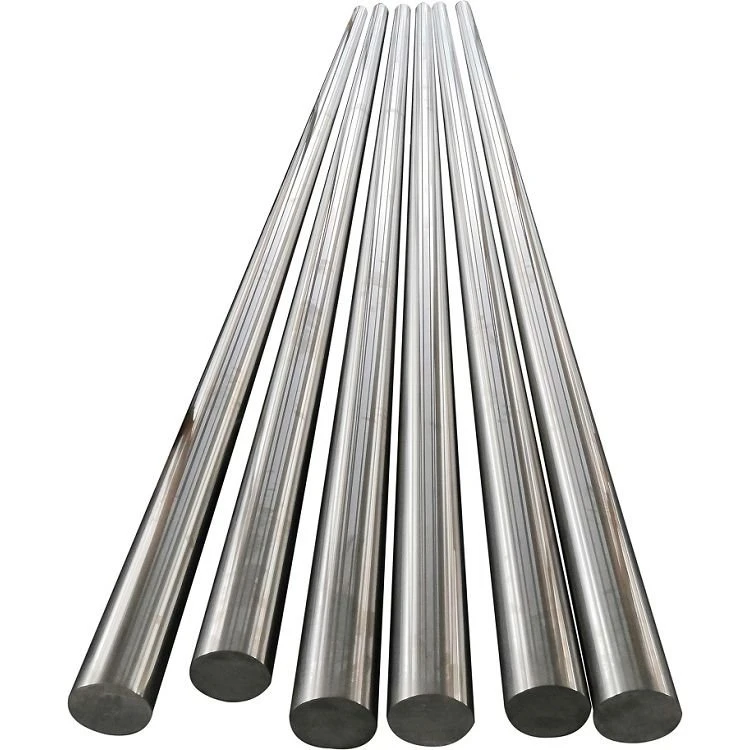
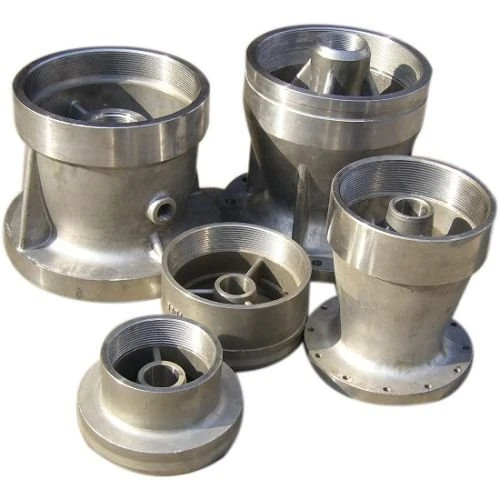
For metals such as stainless steel, which is commonly used in Sea Water Pump Parts, we conduct chemical composition analysis. This process helps us verify that the material contains the correct proportions of elements, ensuring its corrosion resistance and mechanical strength. We use advanced spectroscopy equipment to accurately determine the chemical makeup of the metal.
In addition to chemical analysis, we also perform physical tests on the raw materials. Hardness testing is a crucial part of this process. By measuring the hardness of the material, we can ensure that it has the appropriate strength and durability. For example, a pump shaft requires a certain level of hardness to withstand the high - speed rotation and mechanical stresses it will experience during operation. Our Pump Shaft is made from materials that have passed rigorous hardness tests to guarantee its performance.
In - Process Quality Control
Once the raw materials are approved, the manufacturing process begins. At every step of production, we have in - place quality control procedures to monitor and regulate the manufacturing process.
In the machining process, we use precision measuring tools such as calipers, micrometers, and coordinate measuring machines (CMMs). These tools allow us to measure the dimensions of the pump parts with extremely high accuracy. For instance, when manufacturing impellers, which are critical components of a pump, the blade angles, diameters, and thicknesses must be within very tight tolerances. Our operators regularly measure the parts during machining to ensure they meet the specified design requirements.
We also implement statistical process control (SPC) methods. By collecting and analyzing data from the manufacturing process, we can detect any trends or variations that may indicate a potential quality issue. If a particular dimension of a part starts to deviate from the target value, we can take corrective action immediately, such as adjusting the machining parameters or replacing a worn - out tool.
During the heat - treatment process, which is used to improve the mechanical properties of the pump parts, we closely monitor the temperature, time, and cooling rate. These factors have a significant impact on the final properties of the material. For example, improper heat treatment can lead to insufficient hardness or brittleness in a pump part. We use thermal sensors and control systems to maintain precise heat - treatment conditions and document the process for traceability.
Assembly and Sub - Assembly Quality Checks
When the individual pump parts are machined and treated, they are then assembled into sub - assemblies or complete pump units. Before assembly, each part is inspected again to ensure it is free from any defects that may have occurred during previous processes.
We have a standardized assembly process that includes specific torque values for bolts and nuts, alignment procedures for rotating components, and sealing requirements. During assembly, our technicians use torque wrenches to ensure that bolts are tightened to the correct specifications. Incorrect torque can lead to leaks, vibrations, and even component failure in the pump.
Sub - assemblies are also functionally tested before being integrated into the final pump unit. For example, a pump bearing housing sub - assembly is tested for smooth rotation and proper alignment. Any issues detected during these tests are addressed immediately, either by re - working the parts or replacing them with new ones.
Final Inspection and Testing
After the pump parts are fully assembled, they undergo a comprehensive final inspection and testing process. This is the last line of defense to ensure that only high - quality products leave our facility.
Visual inspection is the first step in the final inspection process. Our quality control inspectors check the pump parts for any visible defects such as scratches, cracks, or surface imperfections. They also examine the overall appearance of the parts to ensure that they meet our aesthetic standards.
Dimensional inspection is then carried out using the same precision measuring tools as in the in - process control. This ensures that the assembled pump parts still meet the design specifications in terms of size and shape.
Functional testing is the most critical part of the final inspection. For pumps, we test their flow rate, pressure, and efficiency under various operating conditions. We use flow meters, pressure gauges, and power analyzers to measure these parameters accurately. Our test benches are designed to simulate real - world operating conditions, allowing us to evaluate the performance of the pump parts in a practical environment.
Quality Assurance and Certification
We are committed to providing our customers with pump parts that meet or exceed international quality standards. To demonstrate our commitment, we have obtained ISO 9001 quality management system certification. This certification ensures that our quality control processes are well - documented, consistently implemented, and continuously improved.
In addition to ISO 9001, we also comply with industry - specific standards such as API (American Petroleum Institute) standards for pumps used in the oil and gas industry. Our quality control procedures are designed to meet the stringent requirements of these standards, ensuring that our pump parts are suitable for use in a wide range of applications.
Traceability and Documentation
We understand the importance of traceability in the quality control process. Every pump part we manufacture has a unique identification number, which allows us to track its production history from the raw material stage to the final inspection. This traceability system enables us to quickly identify the source of any quality issues and take appropriate corrective actions.
We also maintain detailed documentation for each pump part, including inspection reports, test results, and manufacturing records. This documentation provides our customers with transparency and confidence in the quality of our products.
Conclusion
At our company, quality control is an integral part of our business philosophy. From raw material inspection to final testing, we implement a series of rigorous measures to ensure that our pump parts are of the highest quality. Our commitment to quality is reflected in our ISO 9001 certification and compliance with industry - specific standards.
If you are in the market for high - quality pump parts, we invite you to contact us for procurement and negotiation. Our team of experts is ready to assist you in finding the right pump parts for your specific applications. We look forward to partnering with you to meet your pump part needs.
References
- ISO 9001:2015 Quality management systems — Requirements
- API Standards for Pumps and Pumping Equipment