Hey there! As a supplier of submersible pumps, I've seen firsthand how these nifty machines can make a huge difference in various applications, from draining flooded basements to handling sewage in industrial settings. But like any powerful equipment, submersible pumps need to be used with care. In this blog, I'm gonna share some essential safety precautions when using a submersible pump.

1. Read the Manual Thoroughly
This might sound like a no - brainer, but you'd be surprised how many people skip this step. The manual that comes with your submersible pump is like a treasure map. It contains all the info you need about the pump's features, specifications, and most importantly, safety guidelines. Each pump model is different, so what works for one might not work for another. Make sure you understand the recommended operating conditions, such as the maximum depth the pump can be submerged, the suitable temperature range, and the type of liquid it can handle.
2. Check the Power Source
The power source is the lifeblood of your submersible pump, but it can also be a major safety hazard if not handled properly. First of all, always use a grounded electrical outlet. A grounded outlet helps prevent electrical shocks by providing a safe path for the electricity in case of a short circuit.
Also, make sure the voltage of the power source matches the voltage requirements of your pump. Using the wrong voltage can damage the pump and pose a serious safety risk. You can find the voltage information on the pump's nameplate or in the manual.
Another thing to keep in mind is to use a suitable extension cord if needed. The extension cord should be rated for outdoor use and have the right gauge to handle the electrical load of the pump. A thin or damaged extension cord can overheat and cause a fire.
3. Inspect the Pump Before Use
Before you plunge your submersible pump into the water, give it a good once - over. Check for any visible damage, such as cracks in the housing, frayed wires, or loose connections. A damaged pump can not only malfunction but also be dangerous to use.
If you notice any damage, don't try to use the pump. Instead, contact a professional for repair or replacement. It's better to be safe than sorry.
Also, make sure the pump's impeller (the rotating part that moves the water) is free from debris. Debris can clog the impeller and reduce the pump's efficiency, and in some cases, it can even cause the pump to overheat.
4. Install the Pump Correctly
Proper installation is crucial for the safe and efficient operation of your submersible pump. When installing the pump, make sure it is placed on a stable and level surface at the bottom of the water source. An unstable pump can tip over and cause damage or injury.
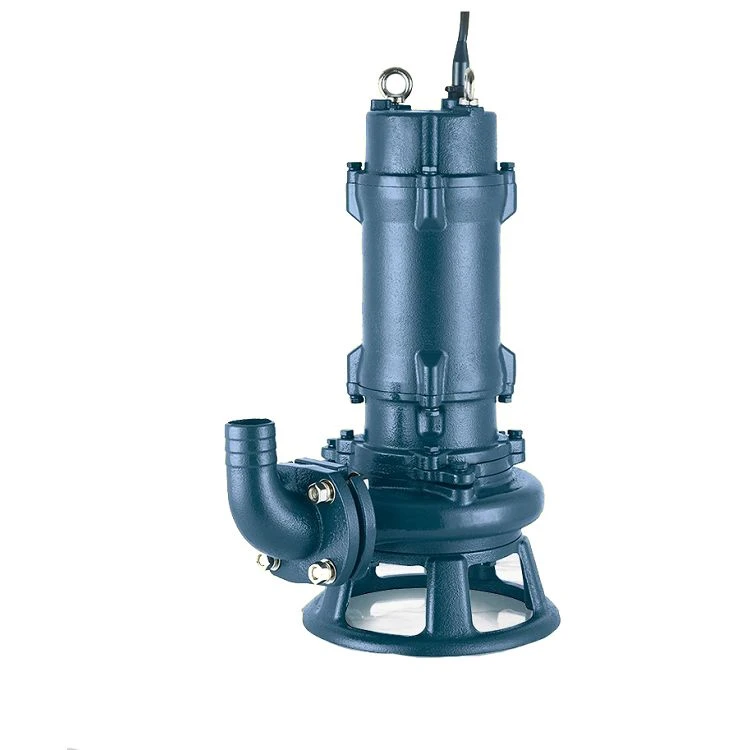
If you're using a Submersible Sewage Pump, make sure it is installed at the right depth. Installing the pump too deep can cause it to work harder than necessary, while installing it too shallow may not allow it to draw in enough water.
For Mine Flameproof Submersible Sand Pump, follow the specific installation instructions provided by the manufacturer. These pumps are designed for use in hazardous environments, so proper installation is even more critical to prevent explosions or other safety incidents.
5. Keep Clear of Moving Parts
The moving parts of a submersible pump, such as the impeller, can cause serious injuries if you come into contact with them. Never try to touch or remove debris from the impeller while the pump is running. Always turn off the pump and unplug it from the power source before performing any maintenance or cleaning.
Also, make sure there are no children or pets nearby when the pump is in operation. Keep a safe distance from the pump to avoid any accidental contact with the moving parts.
6. Monitor the Pump During Operation
Once you've got your submersible pump up and running, don't just walk away and forget about it. Regularly monitor the pump to make sure it is operating normally. Listen for any unusual noises, such as grinding or rattling, which could indicate a problem with the pump.
Check the water level around the pump. If the water level drops too low, the pump may run dry, which can damage the pump's motor. Most submersible pumps are equipped with a thermal overload protector that will shut off the pump if it overheats, but it's still a good idea to keep an eye on the water level.
7. Use the Right Accessories
Using the right accessories can not only improve the performance of your submersible pump but also enhance safety. For example, a check valve can prevent water from flowing back into the pump when it is turned off, which can reduce wear and tear on the pump.
A float switch is another useful accessory. It automatically turns the pump on and off based on the water level, which can save you time and energy. Make sure to choose accessories that are compatible with your pump model.
8. Maintain the Pump Regularly
Regular maintenance is key to keeping your submersible pump in good working condition and ensuring your safety. Follow the maintenance schedule recommended in the manual. This may include tasks such as cleaning the pump, lubricating the bearings, and checking the electrical connections.
If you're not comfortable performing maintenance tasks yourself, hire a professional to do it for you. A professional can spot potential problems early and prevent them from becoming major safety issues.
9. Be Aware of the Environment
The environment in which you use your submersible pump can also affect safety. If you're using the pump in a corrosive or abrasive environment, such as a sewage treatment plant or a mining site, make sure the pump is made of materials that can withstand these conditions.
For example, a Submersible Motor used in a harsh environment may need special protection to prevent corrosion or damage from abrasive particles.
Also, be aware of any potential hazards in the area, such as sharp objects or slippery surfaces. Take appropriate precautions to avoid accidents.
10. Follow Emergency Procedures
Even if you follow all the safety precautions, accidents can still happen. That's why it's important to know what to do in case of an emergency. Familiarize yourself with the emergency shutdown procedures for your pump.
If you notice any signs of a problem, such as smoke, sparks, or a burning smell, immediately turn off the pump and unplug it from the power source. If there is an electrical shock or other serious injury, call for medical help right away.
Well, there you have it - ten essential safety precautions when using a submersible pump. By following these tips, you can ensure that your submersible pump operates safely and efficiently. If you're in the market for a submersible pump or have any questions about safety or maintenance, feel free to reach out to us. We're here to help you find the right pump for your needs and make sure you use it safely.
References
- Manufacturer's manuals for submersible pumps
- Industry safety standards and guidelines for submersible pump use