Hey there! As a supplier of Bronze Pump Impellers, I often get asked about the torque requirements for these essential components. Torque is a crucial factor when it comes to the proper functioning of a pump impeller, and understanding its requirements can help ensure the efficient and reliable operation of your pumping system. In this blog post, I'll dive into the details of what torque is, why it matters for bronze pump impellers, and how to determine the right torque requirements for your specific application.
What is Torque?
Let's start with the basics. Torque is a measure of the force that can cause an object to rotate around an axis. In the context of a pump impeller, torque is the force applied to the impeller shaft to make it spin. It's what gets the impeller moving and allows it to transfer energy to the fluid being pumped. Torque is typically measured in units of force times distance, such as Newton-meters (N·m) or foot-pounds (ft·lb).
Why Does Torque Matter for Bronze Pump Impellers?
Torque is essential for the proper operation of a bronze pump impeller for several reasons. First and foremost, it determines the impeller's ability to overcome the resistance of the fluid being pumped. If the torque is too low, the impeller may not be able to spin fast enough to generate the necessary flow and pressure. On the other hand, if the torque is too high, it can cause excessive stress on the impeller and other components of the pump, leading to premature wear and failure.
In addition to ensuring proper flow and pressure, the right torque also helps to maintain the impeller's balance and stability. An unbalanced impeller can cause vibrations, which can not only reduce the pump's efficiency but also damage the pump and other equipment in the system. By applying the correct torque, you can help keep the impeller running smoothly and minimize the risk of vibration-related issues.
Factors Affecting Torque Requirements
Several factors can influence the torque requirements for a bronze pump impeller. Here are some of the most important ones to consider:
- Impeller Size and Design: Larger impellers generally require more torque to rotate than smaller ones. The shape and design of the impeller can also affect its torque requirements. For example, an impeller with a more complex design or a higher number of blades may require more torque to overcome the additional fluid resistance.
- Fluid Properties: The properties of the fluid being pumped, such as its viscosity, density, and temperature, can have a significant impact on the torque requirements. Higher viscosity fluids, for instance, require more torque to pump than lower viscosity fluids because they offer more resistance to flow. Similarly, denser fluids require more torque to move than less dense fluids.
- Pump Speed: The speed at which the pump operates also affects the torque requirements. As the pump speed increases, the torque required to drive the impeller also increases. This is because the impeller has to work harder to move the fluid at a higher rate.
- System Pressure: The pressure in the pumping system can also influence the torque requirements. Higher system pressures require more torque to overcome the resistance and maintain the desired flow rate.
Determining the Right Torque Requirements
So, how do you determine the right torque requirements for your bronze pump impeller? The first step is to consult the pump manufacturer's specifications. The manufacturer should provide information on the recommended torque values for the impeller based on its size, design, and the specific application.
If the manufacturer's specifications are not available or if you need more detailed information, you can also perform a torque calculation. This involves considering the factors mentioned above, such as impeller size, fluid properties, pump speed, and system pressure, and using mathematical formulas to calculate the required torque. However, torque calculations can be complex, and it's often best to consult with a qualified engineer or pump specialist to ensure accurate results.
Importance of Proper Torque Application
Once you've determined the right torque requirements for your bronze pump impeller, it's crucial to apply the torque correctly. Over-tightening or under-tightening the impeller can lead to a variety of problems, including:
- Impeller Damage: Over-tightening the impeller can cause it to crack or break, especially if the impeller is made of a brittle material like bronze. Under-tightening, on the other hand, can cause the impeller to loosen and vibrate, which can also lead to damage over time.
- Seal Leakage: Incorrect torque application can also affect the performance of the pump's seals. Over-tightening can damage the seals, causing them to leak, while under-tightening can allow the fluid to escape around the seals.
- Reduced Pump Efficiency: Improper torque can also reduce the pump's efficiency by causing the impeller to operate out of balance or by increasing the friction between the impeller and the pump housing. This can result in higher energy consumption and lower flow rates.
To ensure proper torque application, it's important to use the right tools and follow the manufacturer's instructions. A torque wrench is the most accurate way to apply the correct torque, and it's recommended to use one whenever possible. Make sure to clean the impeller shaft and the mounting surface before installing the impeller, and apply a thin layer of lubricant to reduce friction.
Comparing Different Types of Pump Impellers
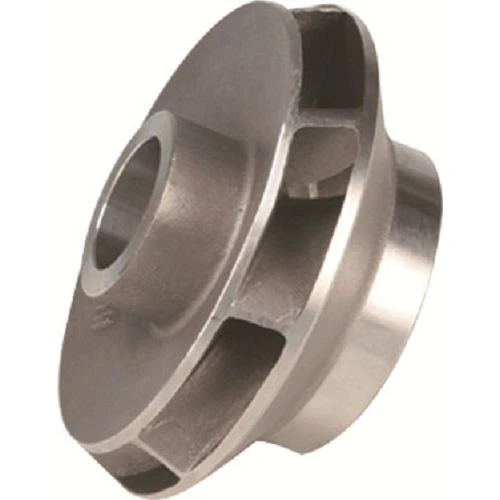
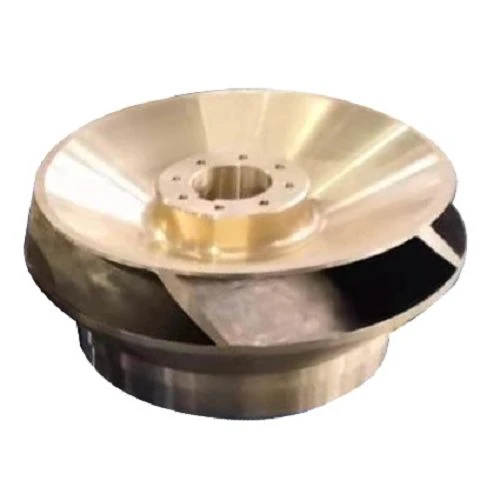
When it comes to pump impellers, there are several different materials and types to choose from, each with its own advantages and disadvantages. In addition to bronze pump impellers, two other common types are Cast Iron Pump Impeller and Stainless Steel Pump Impeller.
- Cast Iron Pump Impellers: Cast iron is a popular choice for pump impellers because it's relatively inexpensive and has good wear resistance. However, cast iron is also heavy and can be brittle, which can make it more prone to cracking and damage. Cast iron impellers may also require more torque to operate than other types of impellers due to their higher weight.
- Stainless Steel Pump Impellers: Stainless steel is known for its corrosion resistance, making it a good choice for pumping corrosive fluids. Stainless steel impellers are also relatively lightweight and have good strength and durability. However, stainless steel can be more expensive than other materials, and it may require special handling and maintenance to prevent corrosion.
- Bronze Pump Impellers: Bronze is a versatile material that offers a good combination of strength, corrosion resistance, and wear resistance. Bronze pump impellers are relatively lightweight, which can reduce the torque requirements and improve the pump's efficiency. They are also less prone to cracking and damage than cast iron impellers, and they can be used in a wide range of applications, including water pumping, chemical processing, and marine applications.
Contact Us for Your Bronze Pump Impeller Needs
If you're in the market for a high-quality bronze pump impeller, look no further! As a leading supplier of Bronze Pump Impeller, we offer a wide range of impellers to meet your specific needs. Our impellers are made from the finest bronze materials and are precision-engineered to ensure optimal performance and reliability.
Whether you need a standard impeller or a custom-designed solution, our team of experts can help you find the right product for your application. We also provide comprehensive technical support and after-sales service to ensure that you get the most out of your pump impeller.
So, if you have any questions or if you're ready to place an order, don't hesitate to contact us. We're here to help you find the perfect bronze pump impeller for your pumping system.
References
- "Pump Handbook" by Igor J. Karassik et al.
- "Centrifugal Pumps: Design and Application" by Heinz P. Bloch and Fred K. Geitner.
- Manufacturer's specifications for bronze pump impellers.