Hey there! I'm a supplier of pump bowls, and I often get asked about the best chemicals to use for cleaning these pump bowls. So, I thought I'd put together this blog post to share some insights on the topic.

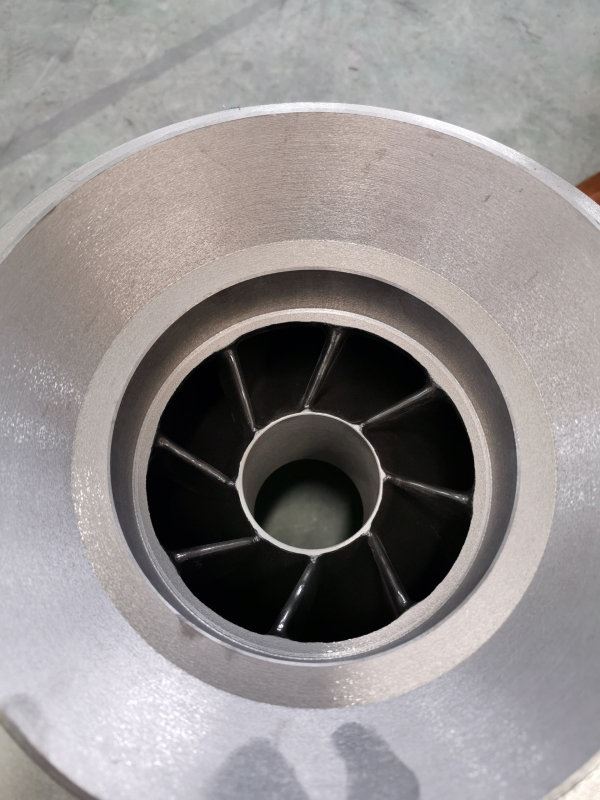
First off, let's talk about why cleaning pump bowls is so important. Over time, pump bowls can accumulate all sorts of gunk, like dirt, debris, and even chemical residues. This buildup can not only affect the performance of the pump but also lead to corrosion and other damage. Regular cleaning helps to keep the pump bowl in good working condition, extends its lifespan, and ensures that it operates efficiently.
Now, let's dive into the different types of chemicals that can be used to clean pump bowls. The choice of chemical depends on several factors, such as the material of the pump bowl, the type of contaminants, and the cleaning method.
For Stainless Steel Bowls
Stainless steel is a popular choice for pump bowls because it's durable and resistant to corrosion. When cleaning stainless steel pump bowls, you want to use chemicals that are gentle enough not to damage the surface but strong enough to remove the dirt and grime.
- Dish Soap and Water: This is the most basic and gentle cleaning solution. Mix a small amount of mild dish soap with warm water. Use a soft sponge or cloth to gently scrub the inside and outside of the pump bowl. Rinse thoroughly with clean water and dry with a soft towel. This method is great for removing light dirt and grease. You can check out our Stainless Steel Bowl for more details on the product.
- Vinegar Solution: Vinegar is a natural acid that can help dissolve mineral deposits and remove stains. Mix equal parts of white vinegar and water in a spray bottle. Spray the solution onto the pump bowl and let it sit for a few minutes. Then, use a soft brush or sponge to scrub the surface. Rinse well with water. Vinegar is a safe and eco - friendly option, but it may not be strong enough for heavy - duty cleaning.
- Commercial Stainless Steel Cleaners: There are many commercial cleaners available specifically designed for stainless steel. These cleaners usually contain mild acids and detergents that can effectively remove tough stains and fingerprints. Follow the instructions on the product label carefully. Apply the cleaner to a soft cloth and wipe the pump bowl in the direction of the grain. Rinse and dry thoroughly.
For Glass - Lined Bowls
Glass - lined pump bowls are known for their smooth surface and chemical resistance. However, they require special care when cleaning to avoid scratching the glass lining.
- Baking Soda Paste: Baking soda is a gentle abrasive that can help remove stains without scratching the glass. Mix baking soda with a small amount of water to form a thick paste. Apply the paste to the stained areas of the pump bowl and use a soft sponge or cloth to gently scrub. Rinse thoroughly with water. You can explore our Glass - Lined Bowl to see the features of this type of pump bowl.
- Citric Acid Solution: Citric acid is a natural cleaner that can dissolve mineral deposits and remove rust stains. Dissolve a few tablespoons of citric acid in warm water. Pour the solution into the pump bowl and let it soak for a few hours or overnight. Then, use a soft brush to scrub the surface and rinse well.
- Non - Abrasive Glass Cleaners: There are commercial glass cleaners that are non - abrasive and safe for glass - lined surfaces. Spray the cleaner onto the pump bowl and wipe it clean with a soft, lint - free cloth. Make sure to follow the instructions on the product label.
For Other Materials
If your pump bowl is made of other materials like plastic or ceramic, the cleaning chemicals will vary.
- Plastic Bowls: For plastic pump bowls, you can use a mild soap and water solution just like with stainless steel. Avoid using harsh chemicals or abrasive cleaners that can scratch or damage the plastic. Some plastic bowls may be sensitive to certain solvents, so it's always a good idea to test a small, inconspicuous area first.
- Ceramic Bowls: Ceramic pump bowls can be cleaned with a mixture of baking soda and water or a mild dish soap solution. For stubborn stains, you can try using a non - abrasive cleaner specifically formulated for ceramics.
Safety Precautions
When using any cleaning chemicals, it's important to take safety precautions.
- Wear Protective Gear: Always wear gloves and safety glasses when handling chemicals to protect your skin and eyes.
- Ventilation: Make sure you are working in a well - ventilated area to avoid inhaling fumes from the chemicals.
- Follow Instructions: Read and follow the instructions on the chemical product labels carefully. Don't mix different chemicals together unless the instructions specifically say it's safe to do so.
Cleaning Frequency
The frequency of cleaning your pump bowl depends on how often it's used and the type of substances it comes into contact with. If the pump is used in a dirty or industrial environment, it may need to be cleaned more frequently, perhaps once a week or even more often. For less demanding applications, cleaning once a month or every few months may be sufficient.
In conclusion, choosing the right chemicals to clean your pump bowl is crucial for maintaining its performance and longevity. Whether you have a stainless steel, glass - lined, plastic, or ceramic pump bowl, there are suitable cleaning solutions available. If you have any questions about which cleaning chemicals are best for your specific pump bowl or if you're interested in purchasing a new pump bowl, feel free to reach out. We're here to help you make the right choices and ensure that your pump operates at its best.
References:
- "Cleaning and Maintenance Guide for Industrial Pumps", Industrial Pump Handbook
- "Chemical Cleaning Solutions for Different Materials", Journal of Material Science and Cleaning Technology