In the world of manufacturing, cast iron casting stands as a time - honored and essential process. As a supplier of Cast Iron Casting, I've witnessed firsthand the intricate dance of equipment and techniques that come together to create high - quality cast iron products. In this blog, I'll explore the various equipment needed for cast iron casting, shedding light on the key tools and machinery that make this process possible.
Pattern Making Equipment
The first step in cast iron casting is pattern making. A pattern is a replica of the final casting, used to create the mold. Pattern making equipment is crucial for ensuring the accuracy and quality of the final product.
Woodworking Tools: Wood is a commonly used material for patterns, especially for small - scale or prototype castings. Tools such as saws, planes, chisels, and sanders are essential for shaping and finishing wooden patterns. A well - crafted wooden pattern can be used to create multiple molds, making it a cost - effective option for initial production runs.
3D Printers: In recent years, 3D printing has revolutionized pattern making. 3D printers can create highly detailed and complex patterns with precision. This technology allows for rapid prototyping, enabling designers to quickly test and modify their designs before moving on to full - scale production. With 3D printing, patterns can be made from a variety of materials, including plastics and resins, which can withstand the casting process.
Molding Equipment
Once the pattern is ready, the next step is to create the mold. The mold holds the molten metal in the desired shape until it solidifies.
Flask Sets: Flasks are metal frames that hold the molding sand in place. They come in various sizes and shapes, depending on the size and complexity of the casting. Flask sets typically include a cope (the upper part of the mold) and a drag (the lower part). The pattern is placed between the cope and the drag, and the molding sand is packed around it to create the mold cavity.
Sand Mixers: Molding sand is a critical component in the casting process. It must have the right properties, such as good flowability, strength, and collapsibility. Sand mixers are used to combine the sand with binders, additives, and water to create a homogeneous mixture. There are different types of sand mixers, including paddle mixers and muller mixers, each with its own advantages and applications.
Core Blowers: Cores are used to create internal cavities or complex shapes in the casting. Core blowers are used to blow sand into core boxes, which are used to shape the cores. The sand is typically mixed with a resin binder, which hardens to form a solid core. Core blowers can produce cores with high precision and repeatability, ensuring the accuracy of the final casting.
Melting Equipment
Melting the cast iron is a crucial step in the casting process. The molten metal must be heated to the correct temperature and have the right chemical composition.
Cupolas: Cupolas are traditional melting furnaces used for cast iron casting. They are tall, vertical furnaces that use coke as a fuel to heat the iron. Cupolas can melt large quantities of iron quickly and are relatively inexpensive to operate. However, they require a constant supply of coke and produce a significant amount of smoke and emissions.
Induction Furnaces: Induction furnaces are becoming increasingly popular in cast iron casting. They use electromagnetic induction to heat the metal, which offers several advantages over cupolas. Induction furnaces are more energy - efficient, produce less pollution, and allow for better control of the melting process. They can also melt a wider range of metals and alloys, making them more versatile.
Ladle Handling Equipment: Once the iron is molten, it needs to be transferred from the furnace to the mold. Ladles are used to hold and transport the molten metal. Ladle handling equipment, such as cranes and ladle transfer cars, is used to move the ladles safely and efficiently. These systems are designed to handle the high temperatures and heavy weights associated with molten metal.
Pouring Equipment
Pouring the molten metal into the mold is a delicate operation that requires precision and control.
Pouring Basins and Sprue Systems: Pouring basins are used to collect the molten metal as it is poured from the ladle. They help to control the flow of the metal and prevent splashing. Sprue systems are channels that connect the pouring basin to the mold cavity. They are designed to ensure a smooth and even flow of the molten metal into the mold.
Automated Pouring Machines: For large - scale production, automated pouring machines are often used. These machines can accurately control the pouring rate, volume, and temperature of the molten metal. They are programmed to pour the metal into the molds at the right time and in the right amount, reducing the risk of defects and improving the quality of the castings.
Finishing Equipment
After the casting has solidified and been removed from the mold, it often requires some finishing operations to achieve the desired surface quality and dimensional accuracy.
Grinding Machines: Grinding machines are used to remove excess material from the casting, such as flash and risers. They can also be used to smooth the surface of the casting and improve its finish. Grinding machines come in various types, including bench grinders, surface grinders, and cylindrical grinders.
Shot Blasting Machines: Shot blasting machines are used to clean the surface of the casting and remove any remaining sand or scale. They work by propelling small metal shots at high speed onto the surface of the casting. The impact of the shots removes the impurities and leaves a clean, smooth surface. Shot blasting can also improve the fatigue resistance of the casting by inducing compressive stresses on the surface.
Machining Centers: Machining centers are used to perform more precise machining operations on the casting, such as drilling, milling, and turning. These machines can achieve high levels of accuracy and surface finish, allowing the casting to meet the exact specifications of the customer.
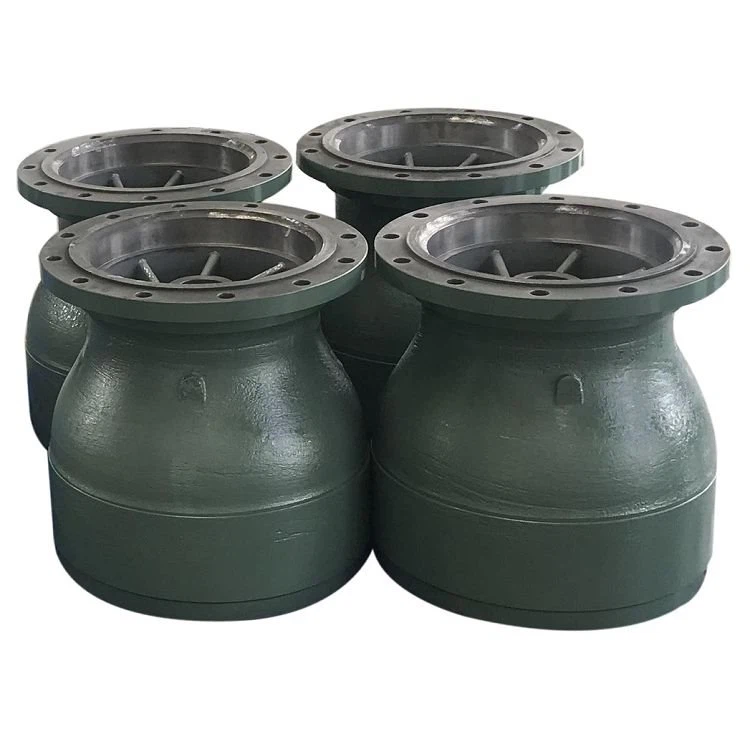
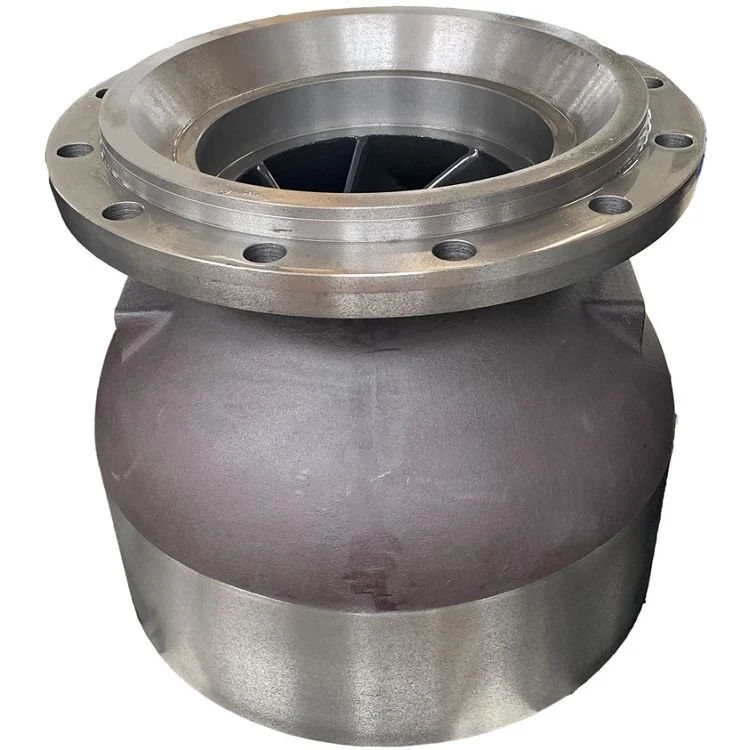
As a Cast Iron Casting supplier, we understand the importance of having the right equipment to produce high - quality castings. Our state - of - the - art facilities are equipped with the latest technology and machinery, ensuring that we can meet the diverse needs of our customers. Whether you need Cast Iron Casting, Ductile Iron Casting, or Stainless Steel Pump Casting, we have the expertise and equipment to deliver.
If you're interested in learning more about our cast iron casting services or have a specific project in mind, we encourage you to contact us for a detailed discussion. Our team of experts is ready to work with you to understand your requirements and provide the best solutions for your casting needs.
References
- Campbell, J. (2003). Castings. Butterworth - Heinemann.
- Kalpakjian, S., & Schmid, S. R. (2010). Manufacturing Engineering and Technology. Pearson.
- Sahoo, P. K. (2012). Casting Technology. Oxford University Press.