Slurry pumps are crucial pieces of equipment in various industries, including mining, construction, and wastewater treatment. They are designed to handle abrasive and corrosive slurries, which can cause significant wear and tear over time. Proper cleaning of a slurry pump is essential to ensure its optimal performance, extend its lifespan, and prevent costly breakdowns. As a leading slurry pump supplier, I have extensive experience in understanding the best practices for cleaning these pumps. In this blog post, I will share some of the most effective ways to clean a slurry pump.
Why Cleaning a Slurry Pump is Important
Before delving into the cleaning methods, it's important to understand why cleaning a slurry pump is so crucial. Slurry pumps are constantly exposed to abrasive particles, such as sand, gravel, and ore, which can accumulate inside the pump and cause damage to the impeller, casing, and other components. Over time, this buildup can lead to reduced pump efficiency, increased energy consumption, and even pump failure. Regular cleaning helps to remove these abrasive particles, prevent corrosion, and maintain the pump's performance.
Pre-Cleaning Preparations
Before starting the cleaning process, it's essential to take some necessary precautions to ensure safety and prevent damage to the pump. Here are some pre-cleaning preparations:
- Shut down the pump: Turn off the power supply to the pump and lock out the electrical panel to prevent accidental startup.
- Drain the slurry: Open the drain valve and allow the slurry to drain completely from the pump and the piping system.
- Wear protective gear: Put on appropriate personal protective equipment (PPE), such as gloves, goggles, and a respirator, to protect yourself from the abrasive and corrosive materials.
- Inspect the pump: Check the pump for any visible signs of damage, such as cracks, leaks, or worn-out parts. Replace any damaged components before cleaning the pump.
Cleaning Methods
There are several methods for cleaning a slurry pump, depending on the type of pump, the nature of the slurry, and the level of contamination. Here are some of the most common cleaning methods:
1. Flushing with Water
Flushing the pump with water is the simplest and most common method of cleaning a slurry pump. This method involves running clean water through the pump and the piping system to remove any loose particles and debris. Here's how to do it:
- Connect a water source: Attach a hose to a clean water supply and connect it to the pump's inlet or suction port.
- Open the discharge valve: Open the discharge valve to allow the water to flow through the pump and the piping system.
- Run the water: Turn on the water supply and let the water run through the pump for several minutes. Make sure the water is flowing freely through all the components of the pump.
- Drain the water: Once the flushing is complete, open the drain valve and allow the water to drain completely from the pump and the piping system.
2. Chemical Cleaning
Chemical cleaning is a more effective method of removing stubborn deposits and contaminants from the pump. This method involves using a chemical cleaning solution to dissolve the deposits and debris. Here's how to do it:
- Choose the right cleaning solution: Select a cleaning solution that is compatible with the pump's materials and the nature of the slurry. Consult the pump manufacturer's recommendations or a chemical supplier for the appropriate cleaning solution.
- Prepare the cleaning solution: Follow the manufacturer's instructions to prepare the cleaning solution. Make sure to wear appropriate PPE when handling the chemicals.
- Fill the pump with the cleaning solution: Close the discharge valve and fill the pump with the cleaning solution. Make sure the solution covers all the components of the pump.
- Let the solution soak: Allow the cleaning solution to soak in the pump for the recommended time. This will help to dissolve the deposits and debris.
- Drain the solution: Open the drain valve and allow the cleaning solution to drain completely from the pump and the piping system.
- Rinse the pump with water: Flush the pump with clean water to remove any remaining traces of the cleaning solution.
3. Mechanical Cleaning
Mechanical cleaning is a more aggressive method of removing stubborn deposits and contaminants from the pump. This method involves using tools, such as brushes, scrapers, and pressure washers, to physically remove the deposits and debris. Here's how to do it:
- Disassemble the pump: If necessary, disassemble the pump to access all the components. Make sure to keep track of all the parts and their locations.
- Clean the components: Use a brush, scraper, or pressure washer to clean each component of the pump. Pay special attention to the impeller, casing, and other areas where deposits are likely to accumulate.
- Inspect the components: Check each component for any signs of damage or wear. Replace any damaged or worn-out parts before reassembling the pump.
- Reassemble the pump: Once all the components are clean and inspected, reassemble the pump according to the manufacturer's instructions.
Post-Cleaning Procedures
After cleaning the pump, it's important to perform some post-cleaning procedures to ensure its proper operation. Here are some post-cleaning procedures:
- Inspect the pump: Check the pump for any signs of damage or leaks. Make sure all the components are properly installed and tightened.
- Lubricate the pump: Apply lubricant to the bearings, seals, and other moving parts of the pump to prevent friction and wear.
- Test the pump: Turn on the power supply to the pump and run it for a few minutes to check its operation. Make sure the pump is running smoothly and there are no abnormal noises or vibrations.
- Record the cleaning: Keep a record of the cleaning process, including the date, time, cleaning method, and any observations or issues. This will help you to track the pump's maintenance history and identify any potential problems.
Conclusion
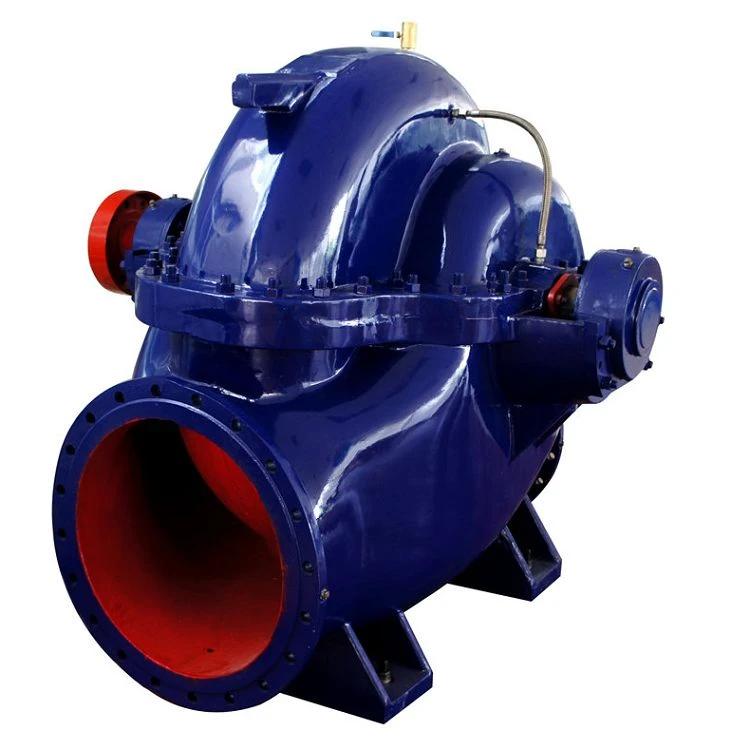
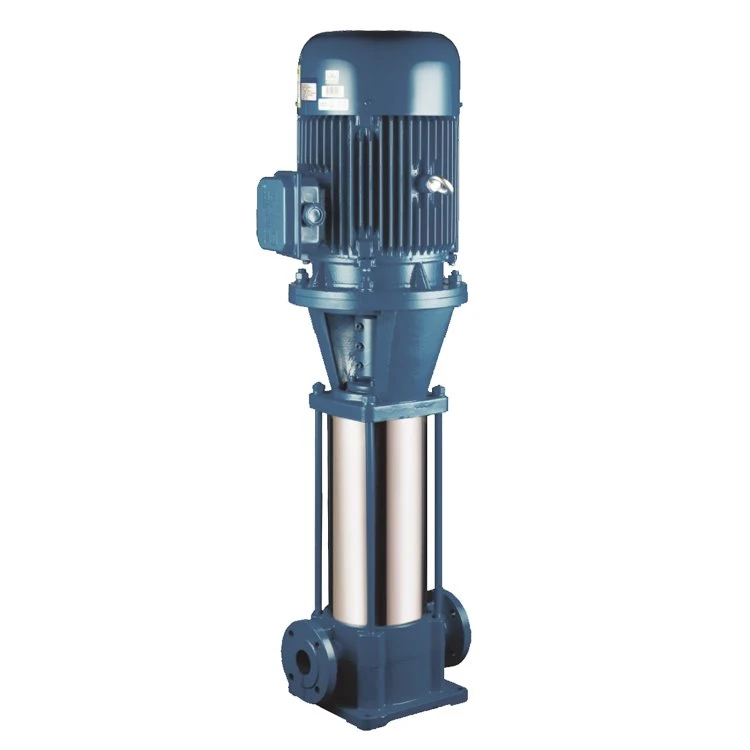
Proper cleaning of a slurry pump is essential to ensure its optimal performance, extend its lifespan, and prevent costly breakdowns. By following the pre-cleaning preparations, choosing the appropriate cleaning method, and performing the post-cleaning procedures, you can keep your slurry pump in good condition and avoid unnecessary downtime. As a slurry pump supplier, we offer a wide range of high-quality slurry pumps and accessories, including Mine Multistage Centrifugal Pump, Horizontal Split Casing Centrifugal Pump, and Vertical Multistage Pump. If you have any questions or need assistance with cleaning your slurry pump, please feel free to contact us. We are always here to help you find the best solution for your pumping needs.
References
- Manufacturer's manuals and guidelines for slurry pumps.
- Industry standards and best practices for pump maintenance and cleaning.