Hey there! As a pump bowl supplier, I've been getting a lot of questions lately about cavitation resistance. So, I thought I'd take a few minutes to explain what it is and why it matters.
First things first, let's talk about what cavitation is. Cavitation occurs when the pressure in a liquid drops below its vapor pressure, causing vapor bubbles to form. These bubbles then collapse when they enter a region of higher pressure, creating shockwaves that can damage the pump and reduce its efficiency.
Now, let's get to the main topic: cavitation resistance. Cavitation resistance refers to a pump bowl's ability to withstand the damaging effects of cavitation. A pump bowl with high cavitation resistance can prevent or minimize the formation of vapor bubbles and reduce the impact of the shockwaves when they do occur.
So, why is cavitation resistance so important? Well, for starters, it can significantly extend the lifespan of your pump. When a pump bowl is constantly exposed to cavitation, it can cause erosion, pitting, and other forms of damage. Over time, this damage can lead to leaks, reduced efficiency, and even complete pump failure. By choosing a pump bowl with high cavitation resistance, you can protect your investment and avoid costly repairs and replacements.
Another reason why cavitation resistance is important is that it can improve the performance of your pump. When a pump is operating under cavitation conditions, it can experience a drop in flow rate, head, and efficiency. This can result in reduced productivity and increased energy consumption. By using a pump bowl with high cavitation resistance, you can ensure that your pump operates at its optimal level, even under challenging conditions.

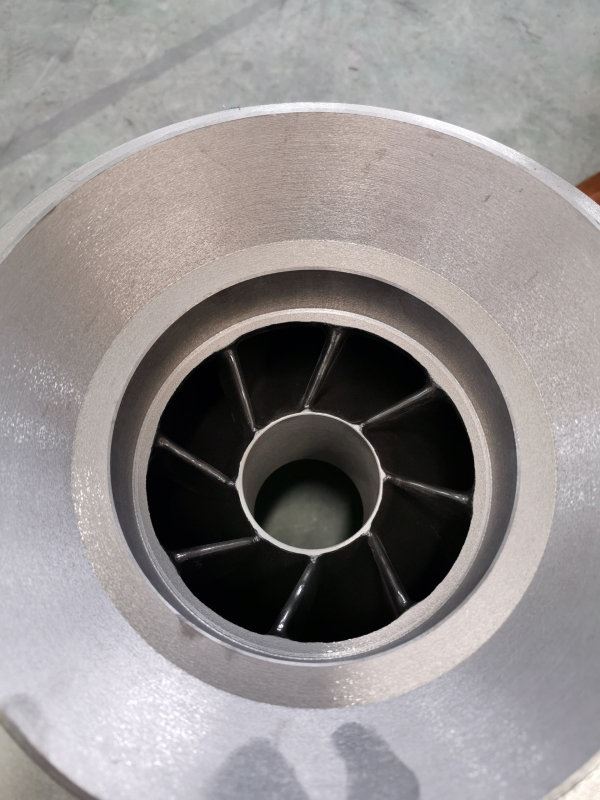
So, how do you choose a pump bowl with high cavitation resistance? Well, there are a few factors to consider. First, you'll want to look at the material of the pump bowl. Some materials, such as stainless steel and glass-lined steel, are more resistant to cavitation than others. For example, Stainless Steel Bowl is known for its durability and corrosion resistance, making it a popular choice for pump bowls. Similarly, Glass-Lined Bowl offers excellent cavitation resistance and chemical resistance, making it ideal for use in harsh environments.
In addition to the material, you'll also want to consider the design of the pump bowl. A well-designed pump bowl can help to reduce the formation of vapor bubbles and minimize the impact of the shockwaves when they do occur. Look for a pump bowl with smooth internal surfaces, optimized flow paths, and proper impeller clearances. These features can help to improve the pump's cavitation resistance and overall performance.
Finally, it's important to work with a reputable pump bowl supplier. A good supplier will have the expertise and experience to help you choose the right pump bowl for your specific application. They can also provide you with technical support and advice to ensure that your pump operates at its best.
At our company, we specialize in providing high-quality pump bowls with excellent cavitation resistance. We offer a wide range of materials and designs to meet the needs of different applications. Whether you're looking for a stainless steel bowl or a glass-lined bowl, we've got you covered.
If you're interested in learning more about our pump bowls or have any questions about cavitation resistance, please don't hesitate to contact us. We'd be happy to help you find the right solution for your needs.
In conclusion, cavitation resistance is an important factor to consider when choosing a pump bowl. By selecting a pump bowl with high cavitation resistance, you can protect your investment, improve the performance of your pump, and ensure that it operates at its best for years to come. So, if you're in the market for a new pump bowl, be sure to keep cavitation resistance in mind. And remember, if you have any questions or need help choosing the right pump bowl, we're here for you.
References
- Fluid Mechanics for Chemical Engineers by Ron Darby
- Pump Handbook by Igor Karassik et al.