Hey there! As a supplier of centrifugal pumps, I often get asked about the differences between open, semi-open, and closed impellers in these pumps. So, I thought I'd take a moment to break it down for you all.
First off, let's talk about what an impeller is. In a centrifugal pump, the impeller is like the heart of the operation. It's a rotating component with vanes that helps to increase the pressure and flow of the fluid being pumped. Now, depending on the type of application and the nature of the fluid, different types of impellers are used.
Open Impellers
Open impellers are pretty straightforward. They consist of vanes attached directly to a hub without any sidewalls. Picture a bunch of blades sticking out from a central point. This design makes them really simple and easy to manufacture.
One of the biggest advantages of open impellers is their ability to handle fluids with large solids or fibrous materials. Since there are no sidewalls to get clogged, things like rags, twigs, or large particles can pass through the impeller without causing too much of a problem. This makes them a great choice for applications in wastewater treatment plants, where they need to pump out all sorts of mucky stuff.
However, open impellers aren't without their drawbacks. They're not as efficient as some of the other types. Because there's no sidewall to direct the flow of fluid, a fair amount of the energy gets wasted in the form of leakage and turbulence. This means that they generally require more power to achieve the same flow and pressure as a closed or semi-open impeller.
Semi-Open Impellers
Semi-open impellers are a bit of a middle ground. They have vanes attached to a hub, but they only have one sidewall. This sidewall helps to direct the flow of fluid more effectively than an open impeller, which means they're more efficient.
Semi-open impellers are also pretty good at handling fluids with some solids. The single sidewall still allows for a relatively large passage for particles to pass through, but it also provides enough structure to keep the fluid flow more organized. They're commonly used in applications like Slurry Pump systems, where they need to pump a mixture of liquid and solid particles.
Another advantage of semi-open impellers is that they're easier to clean and maintain compared to closed impellers. If there's a blockage, it's usually easier to access and remove the debris from a semi-open impeller.
Closed Impellers
Closed impellers are the most complex and efficient of the three. They have vanes enclosed between two sidewalls, which creates a well-defined path for the fluid to flow through. This design minimizes leakage and turbulence, resulting in a much higher efficiency.
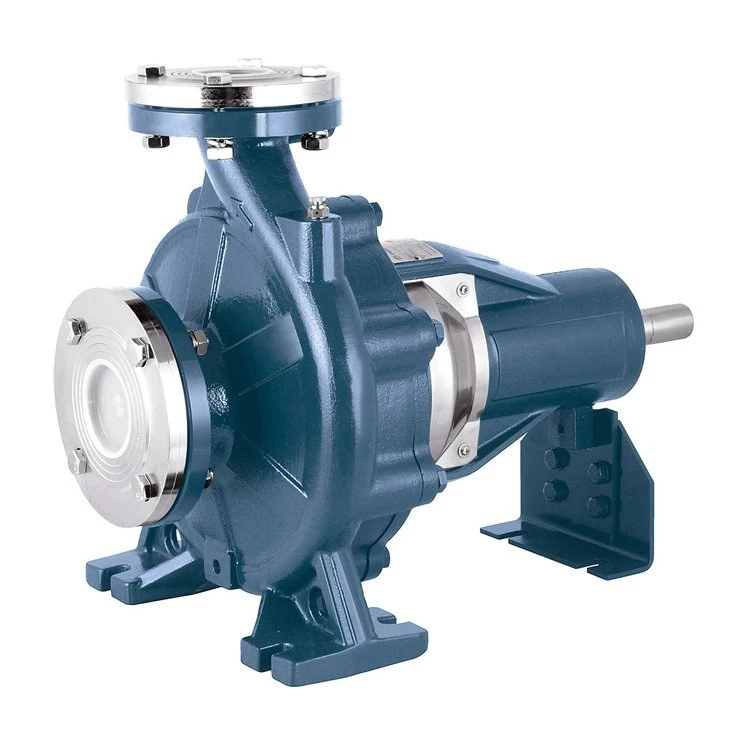
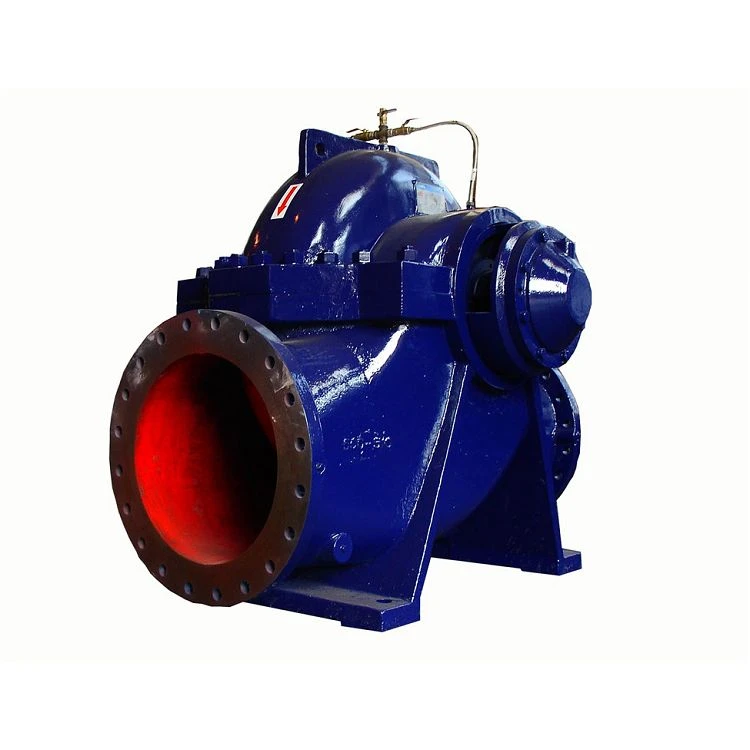
Closed impellers are ideal for applications where high flow and pressure are required, and the fluid being pumped is relatively clean. They're commonly used in End Suction Centrifugal Pump and Single Stage Double-Suction Centrifugal Pump systems, where they need to move large volumes of water or other clean liquids at high speeds.
However, closed impellers are more prone to clogging. Since the passage for the fluid is more restricted, even small particles can get stuck and cause problems. This means they're not suitable for applications where the fluid contains a lot of solids or fibrous materials.
Choosing the Right Impeller
So, how do you decide which type of impeller is right for your application? Well, it really depends on a few factors.
First, you need to consider the nature of the fluid you're pumping. If it contains a lot of solids or fibrous materials, an open or semi-open impeller might be the way to go. On the other hand, if the fluid is clean and you need high efficiency, a closed impeller would be a better choice.
You also need to think about the required flow and pressure. Closed impellers are generally better at achieving high flow and pressure, but they might not be the best option if you're dealing with dirty fluids.
Finally, cost is always a factor. Open impellers are the cheapest to manufacture, followed by semi-open impellers. Closed impellers are usually the most expensive, but their higher efficiency can sometimes offset the initial cost in the long run.
Conclusion
In conclusion, open, semi-open, and closed impellers each have their own unique advantages and disadvantages. As a centrifugal pump supplier, I'm here to help you choose the right impeller for your specific application. Whether you're dealing with wastewater, slurry, or clean water, we have the expertise and the products to meet your needs.
If you're interested in learning more about our centrifugal pumps or have any questions about impellers, feel free to reach out. We're always happy to have a chat and help you find the best solution for your pumping needs.
References
- Pump Handbook, Karassik et al.
- Centrifugal Pumps: Design and Application, Stepanoff.