Hey there! As a fire pump supplier, I've been in the thick of the fire safety industry for quite some time. Today, I wanna chat about what a fire pump in a standpipe system is all about.
First off, let's understand what a standpipe system is. It's basically a network of pipes installed in a building to provide a ready - to - use water supply for firefighting. These systems are crucial in large buildings, high - rises, and industrial facilities where it might be challenging for firefighters to quickly access water at the right pressure.
Now, the fire pump in a standpipe system is like the heart of the operation. Its main job is to boost the water pressure in the standpipe system to a level that's sufficient for effective firefighting. You see, the regular water supply in a building might not have enough pressure to reach the upper floors or to provide a strong enough stream of water to douse a fire. That's where the fire pump steps in.
There are different types of fire pumps that can be used in standpipe systems. One popular type is the Centrifugal Fire Pump. Centrifugal fire pumps work by using an impeller that rotates at high speed. As the impeller spins, it throws the water outwards, creating a high - velocity flow. This flow is then converted into pressure, which is what we need to get the water up through the standpipe and out of the hoses. These pumps are great because they're relatively simple in design, reliable, and can handle a large volume of water.
Another type is the Submersible Fire Pump. These pumps are designed to be submerged in water, usually in a sump or a water tank. They're often used in situations where the water source is below the level of the pump. Submersible fire pumps are compact and can be a great option for buildings with limited space. They also tend to be quieter than some other types of pumps.
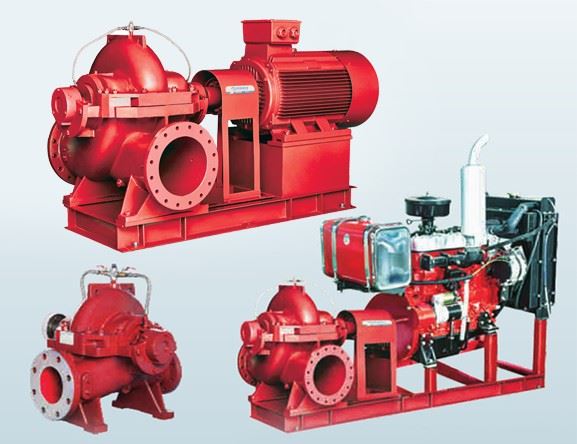
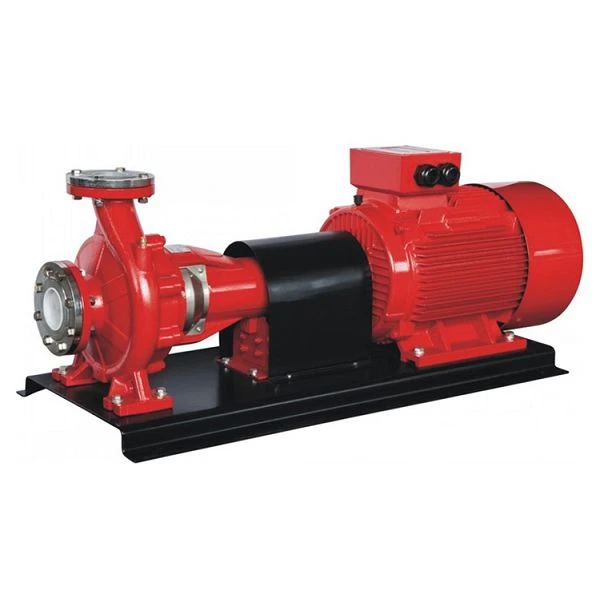
The fire pump in a standpipe system is typically connected to a reliable power source. In most cases, there's a primary power supply, like the building's electrical grid, but there's also a backup power source, such as a diesel generator. This ensures that the pump can keep running even if there's a power outage during a fire.
Installation of a fire pump in a standpipe system is a critical process. It has to be done by trained professionals who understand the specific requirements of the building and the fire safety codes. The pump needs to be properly sized to meet the demands of the standpipe system. This means taking into account factors like the height of the building, the number of floors, and the potential fire load.
Once the fire pump is installed, regular maintenance is a must. Just like any other piece of equipment, fire pumps can wear out over time. Components like the impeller, bearings, and seals need to be inspected and replaced as needed. There are also regular tests that need to be carried out to make sure the pump is functioning correctly. For example, a flow test is done to check if the pump can deliver the required amount of water at the right pressure.
In addition to proper installation and maintenance, having the right controls for the fire pump is essential. These controls allow firefighters to start and stop the pump, adjust the pressure, and monitor its performance. Modern fire pump control panels are often equipped with advanced features like remote monitoring, which means that building managers or fire safety personnel can keep an eye on the pump's status from a distance.
Now, why is all this so important? Well, in a fire situation, every second counts. A well - functioning fire pump in a standpipe system can mean the difference between a small, contained fire and a large, out - of - control blaze. It gives firefighters the tools they need to quickly and effectively fight the fire, protecting lives and property.
If you're in the market for a fire pump for your standpipe system, I'm here to help. Whether you need a centrifugal fire pump or a submersible fire pump, we've got a wide range of options to suit your specific needs. Our team of experts can assist you with everything from sizing the pump to installation and maintenance. Don't hesitate to reach out to us to start the conversation about your fire safety requirements. Let's work together to make sure your building is well - protected.
References
- NFPA 20: Standard for the Installation of Stationary Pumps for Fire Protection
- International Building Code (IBC) - related sections on fire protection systems