Hey there! As a supplier of Pump Control Panel, I often get asked about the role of a capacitor in a pump control panel. So, I thought I'd write this blog to break it down for you in simple terms.
Understanding the Basics of a Pump Control Panel
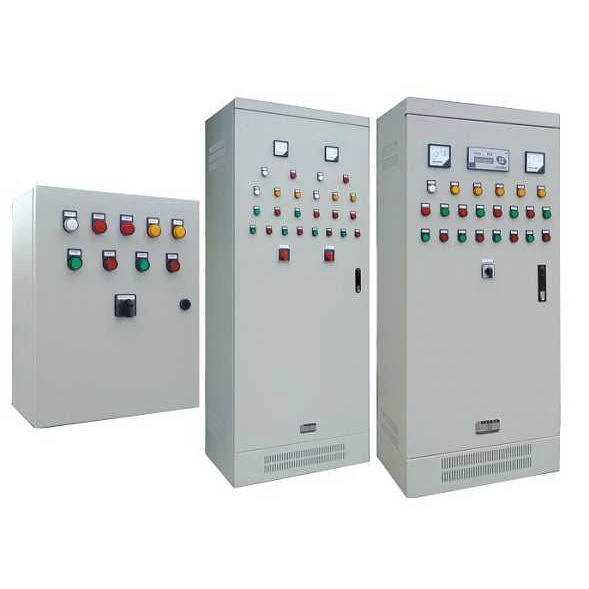
First things first, let's quickly go over what a pump control panel is. It's like the brain of a pumping system. It manages and monitors the operation of pumps, ensuring they work efficiently and safely. Whether it's for a water supply system, a sewage pump, or an industrial pumping application, the control panel plays a crucial role.
What is a Capacitor?
Before we dive into its function in a pump control panel, let's understand what a capacitor is. In simple words, a capacitor is an electronic component that stores and releases electrical energy. It consists of two conductive plates separated by an insulating material, called a dielectric. When you apply a voltage across the plates, it stores electric charge. And when the circuit needs it, it releases that stored energy.
The Functions of a Capacitor in a Pump Control Panel
1. Starting the Pump
One of the main functions of a capacitor in a pump control panel is to help start the pump motor. Most pump motors are single - phase motors. These motors have a hard time starting on their own because they lack the rotating magnetic field needed to get the motor shaft spinning.
A capacitor creates a phase shift in the electrical current. By doing so, it generates an artificial rotating magnetic field that helps the motor start. Think of it as giving the motor a little "kick - start." Without this capacitor, the motor might just hum and not start at all, or it could draw excessive current and overheat, which can damage the motor.
For example, in a small residential water pump, the capacitor in the control panel provides that initial boost to get the impeller spinning. Once the motor reaches a certain speed, the capacitor might be taken out of the circuit, depending on the design of the control panel.
2. Improving Power Factor
Another important function of a capacitor in a pump control panel is to improve the power factor. Power factor is a measure of how effectively electrical power is being used in a circuit. In an AC circuit, there are two components of power: real power (which does the actual work, like running the pump motor) and reactive power (which is energy that bounces back and forth between the source and the load).
Inductive loads, like pump motors, draw a lot of reactive power. This can cause the power factor to be low. A low power factor means that the electrical system has to supply more current than necessary to do the same amount of work. This can lead to higher energy costs and overloading of electrical distribution equipment.
Capacitors are used to counteract the reactive power drawn by the motor. They supply reactive power to the circuit, which helps to balance out the reactive power drawn by the motor. As a result, the power factor is improved. This not only reduces energy costs but also allows the electrical system to operate more efficiently.
3. Reducing Voltage Fluctuations
Pump motors can cause voltage fluctuations in the electrical system, especially when they start or stop. When a motor starts, it draws a large inrush current, which can cause a temporary drop in the voltage. Similarly, when the motor stops, there can be a sudden change in the electrical load, leading to voltage spikes.
Capacitors can help to smooth out these voltage fluctuations. They act as a buffer, storing and releasing energy as needed to maintain a more stable voltage. This is particularly important in sensitive electrical systems where voltage fluctuations can damage other equipment connected to the same circuit.
Types of Capacitors Used in Pump Control Panels
1. Start Capacitors
Start capacitors are used solely for the purpose of starting the pump motor. They are designed to provide a high - capacitance value for a short period of time. Once the motor reaches a certain speed, a centrifugal switch or a relay disconnects the start capacitor from the circuit. Start capacitors are usually larger in size and can handle high currents during the starting process.
2. Run Capacitors
Run capacitors, on the other hand, stay in the circuit throughout the operation of the pump motor. They are used to improve the power factor and provide a continuous phase shift to the motor. Run capacitors have a lower capacitance value compared to start capacitors but are designed for long - term operation.
Signs of a Faulty Capacitor
It's important to know the signs of a faulty capacitor in a pump control panel. If the pump is having trouble starting, it could be a sign that the start capacitor is bad. You might hear the motor humming but not starting, or it might take multiple attempts to get the pump going.
If the pump is running but is drawing excessive current or is overheating, the run capacitor could be the culprit. A bad run capacitor can also cause the motor to run inefficiently, leading to higher energy consumption.
Maintenance and Replacement
Regular maintenance of the capacitors in a pump control panel is essential. Over time, capacitors can degrade due to factors like heat, humidity, and electrical stress. It's a good idea to have the control panel inspected periodically by a qualified technician.
If a capacitor is found to be faulty, it should be replaced with a capacitor of the same specifications. Using the wrong capacitor can lead to motor damage or inefficient operation.
Why Choose Our Pump Control Panels
As a supplier of Pump Control Panel, we take pride in offering high - quality control panels with reliable capacitors. Our control panels are designed to meet the specific needs of different pumping applications. We use top - of - the - line capacitors that are built to last, ensuring that your pump system operates smoothly and efficiently.
If you're in the market for a new pump control panel or need to replace an existing one, we'd love to hear from you. Whether you have questions about the capacitor functions, or you want to discuss your specific pumping requirements, our team of experts is here to help. Just reach out to us, and we'll guide you through the process.
Conclusion
In conclusion, capacitors play a vital role in a pump control panel. They help start the pump motor, improve the power factor, and reduce voltage fluctuations. Understanding their functions and knowing how to maintain them can save you a lot of headaches and money in the long run.
If you're interested in learning more about our pump control panels or have any questions regarding capacitor functions, feel free to contact us. We're always happy to assist you with your pumping needs.
References
- Electrical Engineering Handbook, CRC Press
- Motors and Drives: A Practical Technology Guide, Elsevier