Hey there! As a supplier of Pump Control Panel, I've spent a lot of time dealing with these nifty devices. So, today I'm gonna break down what the function of a pump control panel is.
First off, let's talk about the basics. A pump control panel is like the brain of a pumping system. Think of it as the boss that tells the pump when to start, when to stop, and how hard to work. It's super important in making sure that pumps operate efficiently and safely.
One of the main functions of a pump control panel is to start and stop the pump. In a lot of industrial and commercial settings, pumps can't just run all the time. They need to be turned on when there's a demand for water or whatever fluid they're moving, and turned off when that demand is met. For example, in a water supply system for a building, the pump control panel will start the pump when the water pressure in the pipes drops below a certain level. This could happen when someone opens a faucet or when a large amount of water is used for things like flushing toilets or running washing machines. Once the water pressure is back up to the desired level, the control panel will stop the pump. This on - off control helps to save energy and prevent the pump from overworking.
Another key function is protection. Pumps are expensive pieces of equipment, and a pump control panel helps to keep them safe. It can monitor things like the current, voltage, and temperature of the pump motor. If the current gets too high, which could indicate a problem like a blocked impeller or a short circuit, the control panel will shut off the pump to prevent damage. Similarly, if the motor gets too hot, the panel will also take action to stop the pump and avoid a potential fire hazard. This kind of protection is crucial for extending the lifespan of the pump and reducing maintenance costs.
Pump control panels also play a big role in regulating the flow and pressure of the fluid being pumped. In some systems, it's important to maintain a constant flow rate or pressure. For instance, in a chemical processing plant, precise control of the flow of chemicals is necessary to ensure the quality of the final product. The control panel can adjust the speed of the pump motor to achieve the desired flow or pressure. It does this by using sensors to measure the flow and pressure in the system and then sending signals to the motor to increase or decrease its speed. This kind of fine - tuned control is what makes a pump control panel so valuable in many industries.
In addition to these basic functions, modern pump control panels often come with advanced features. For example, some panels can be programmed to operate on a schedule. You can set it up so that the pump runs at certain times of the day, which is useful for things like irrigation systems. You can water your fields at night when the evaporation rate is lower, and the control panel will make sure the pump starts and stops at the right times.
There are also panels that can be connected to a remote monitoring system. This means that you can keep an eye on the pump's performance from anywhere in the world using a computer or a smartphone. You can check the status of the pump, receive alerts if there's a problem, and even make adjustments to the settings. This remote access is a game - changer for businesses that have pumps located in multiple sites or in hard - to - reach areas.
Now, let's talk about how all these functions benefit different industries. In the water and wastewater treatment industry, pump control panels are essential for moving water through the treatment process. They ensure that the right amount of water is being treated at the right time, and they protect the pumps from damage caused by things like debris in the water. In the oil and gas industry, pumps are used to move oil and gas from the well to storage tanks or processing facilities. The control panels help to maintain the pressure and flow of these valuable fluids, and they protect the pumps from the harsh conditions in the oil fields.
In the manufacturing industry, pumps are used in a variety of processes, such as cooling systems and hydraulic presses. The control panels make sure that these processes run smoothly and efficiently. They can prevent downtime by quickly detecting and responding to problems with the pumps. And in the agricultural industry, as I mentioned earlier, pump control panels are used for irrigation. They help farmers to use water more efficiently, which is especially important in areas where water is scarce.
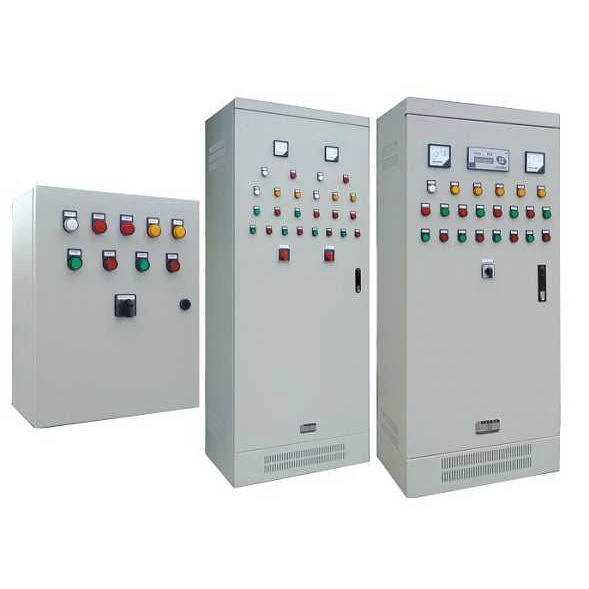
As a supplier of Pump Control Panel, I've seen firsthand how these panels can make a big difference in the performance of a pumping system. Whether you're running a small business or a large industrial operation, having a reliable pump control panel is crucial.
If you're in the market for a pump control panel, I'd love to have a chat with you. We offer a wide range of control panels that are designed to meet the needs of different industries and applications. Our panels are built with high - quality components and are backed by our expert technical support. Whether you need a simple on - off control panel or a more advanced panel with remote monitoring and programming capabilities, we've got you covered.
So, if you're interested in learning more about our pump control panels or if you have any questions about how they can fit into your pumping system, don't hesitate to reach out. Let's have a discussion about your specific requirements and see how we can help you get the most out of your pumps.
References
- General knowledge from the pump control panel industry
- Experience gained from supplying pump control panels over the years