In the realm of manufacturing, cast iron casting stands as a cornerstone process, shaping countless components that drive various industries forward. As a seasoned cast iron casting supplier, I've witnessed firsthand the pivotal role that the gating system plays in the success of every casting project. In this blog, I'll delve into the intricacies of the gating system in cast iron casting, exploring its functions, types, design considerations, and its significance in ensuring high-quality castings.
Understanding the Gating System
At its core, the gating system is a network of channels and passages within a casting mold that facilitates the controlled flow of molten metal from the pouring source to the mold cavity. Think of it as the circulatory system of a casting, responsible for delivering the lifeblood of the process - the molten iron - to where it's needed most. The primary functions of the gating system include:
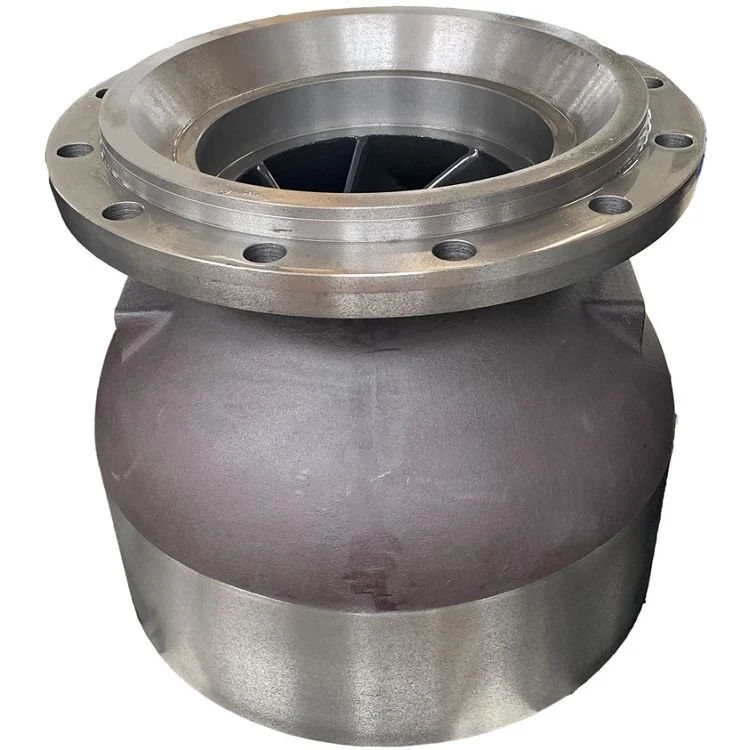
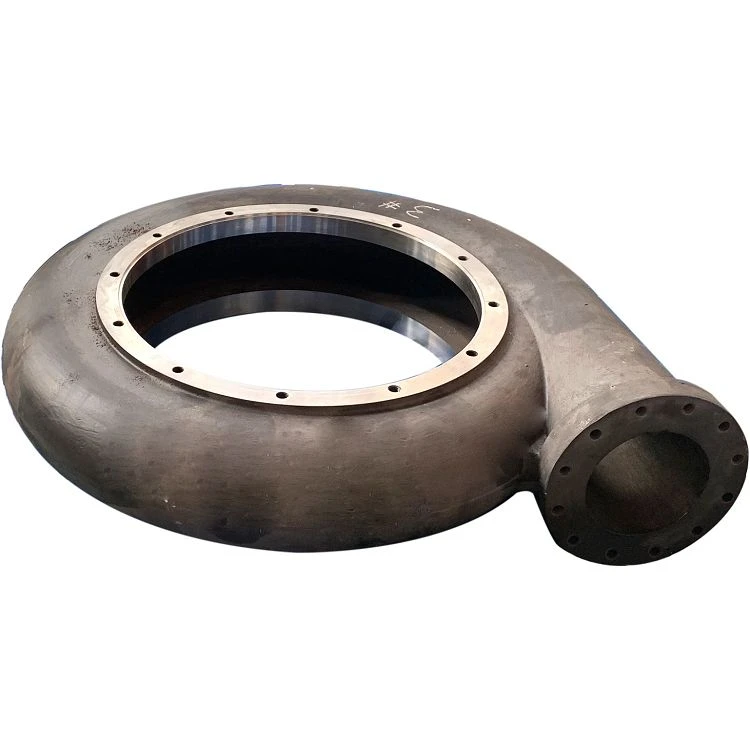
- Filling the Mold Cavity: The gating system ensures that the molten metal fills the mold cavity completely and uniformly, minimizing the risk of defects such as incomplete filling, cold shuts, and misruns.
- Controlling the Flow Rate: By regulating the flow rate of the molten metal, the gating system helps prevent turbulence, splashing, and air entrapment, which can lead to porosity and other casting defects.
- Filtering Impurities: The gating system can incorporate filters or screens to remove impurities, such as slag, sand, and oxides, from the molten metal before it enters the mold cavity, improving the quality of the casting.
- Feeding the Solidifying Casting: During the solidification process, the gating system can act as a reservoir, supplying additional molten metal to compensate for shrinkage and prevent the formation of shrinkage cavities.
Types of Gating Systems
There are several types of gating systems commonly used in cast iron casting, each with its own advantages and applications. The choice of gating system depends on factors such as the size and shape of the casting, the complexity of the mold, and the desired quality of the final product. Some of the most common types of gating systems include:
- Top Gating System: In a top gating system, the molten metal is poured directly into the top of the mold cavity through a sprue. This type of gating system is simple and easy to design, making it suitable for small to medium-sized castings with relatively simple geometries. However, top gating systems can be prone to turbulence and air entrapment, especially if the pouring rate is too high.
- Bottom Gating System: A bottom gating system involves pouring the molten metal into the mold cavity through a runner system located at the bottom of the mold. This type of gating system helps to minimize turbulence and air entrapment, as the molten metal flows smoothly into the mold cavity from the bottom up. Bottom gating systems are commonly used for large and complex castings, where the quality of the casting is of utmost importance.
- Side Gating System: In a side gating system, the molten metal is introduced into the mold cavity through a runner system located on the side of the mold. This type of gating system is often used for castings with irregular shapes or for applications where the top or bottom of the casting is not accessible for gating. Side gating systems can provide better control over the flow of the molten metal and can help to reduce the risk of defects.
- Step Gating System: A step gating system combines the advantages of top and bottom gating systems by using a series of steps or levels to control the flow of the molten metal. This type of gating system helps to minimize turbulence and air entrapment while ensuring uniform filling of the mold cavity. Step gating systems are commonly used for large and complex castings with thick sections.
Design Considerations for Gating Systems
Designing an effective gating system requires careful consideration of several factors to ensure optimal performance and high-quality castings. Some of the key design considerations for gating systems include:
- Flow Rate: The flow rate of the molten metal through the gating system is critical to ensure proper filling of the mold cavity and to prevent defects. The flow rate can be controlled by adjusting the size and shape of the sprue, runner, and gate, as well as the pouring rate.
- Turbulence and Air Entrapment: Turbulence and air entrapment can lead to porosity and other casting defects. To minimize these issues, the gating system should be designed to promote smooth, laminar flow of the molten metal and to prevent the formation of air pockets. This can be achieved by using appropriate runner geometries, avoiding sharp corners and sudden changes in cross-sectional area, and incorporating filters or screens to remove air and impurities.
- Shrinkage Compensation: During the solidification process, the molten metal contracts as it cools, which can lead to the formation of shrinkage cavities. The gating system should be designed to provide sufficient molten metal to compensate for shrinkage and to prevent the formation of these cavities. This can be achieved by using risers or feeders, which are additional reservoirs of molten metal that supply the casting with additional material as it solidifies.
- Mold Filling Time: The time it takes for the molten metal to fill the mold cavity is an important consideration in gating system design. If the filling time is too long, the molten metal may solidify before the mold cavity is completely filled, leading to incomplete filling and other defects. On the other hand, if the filling time is too short, the molten metal may flow too quickly, causing turbulence and air entrapment. The filling time can be controlled by adjusting the size and shape of the gating system and the pouring rate.
Significance of the Gating System in Cast Iron Casting
The gating system plays a crucial role in the success of every cast iron casting project. A well-designed gating system can help to ensure uniform filling of the mold cavity, minimize turbulence and air entrapment, remove impurities from the molten metal, and compensate for shrinkage, resulting in high-quality castings with minimal defects. On the other hand, a poorly designed gating system can lead to a variety of casting defects, such as porosity, cold shuts, misruns, and shrinkage cavities, which can significantly reduce the quality and performance of the final product.
As a cast iron casting supplier, we understand the importance of a well-designed gating system in achieving high-quality castings. That's why we work closely with our customers to develop customized gating systems that are tailored to their specific requirements and applications. Our team of experienced engineers and technicians uses advanced simulation software to analyze and optimize the gating system design, ensuring that it meets the highest standards of quality and performance.
Related Products
In addition to our expertise in cast iron casting, we also offer a wide range of related products, including Stainless Steel Pump Casting and Wear Resistant Pump Parts. Our stainless steel pump castings are made from high-quality materials and are designed to provide superior corrosion resistance and durability in demanding applications. Our wear resistant pump parts are engineered to withstand the harsh conditions of abrasive and erosive environments, ensuring long service life and reliable performance.
Conclusion
In conclusion, the gating system is a critical component of the cast iron casting process, playing a vital role in ensuring the quality and performance of the final product. By understanding the functions, types, and design considerations of the gating system, cast iron casting suppliers can develop customized solutions that meet the specific needs of their customers and deliver high-quality castings with minimal defects. If you're in need of cast iron casting services or related products, we invite you to contact us to discuss your requirements and learn more about how we can help you achieve your goals.
References
- Campbell, J. (2003). Castings. Butterworth-Heinemann.
- Flemings, M. C. (1974). Solidification Processing. McGraw-Hill.
- Ruddle, A. J. (2009). Casting Design and Quality. Woodhead Publishing.