Hey there! As a supplier of pump suction equipment, I've seen firsthand how the pipe diameter can have a huge impact on pump suction. In this blog, I'm gonna break down what that impact is and why it matters to you.
Let's start with the basics. The pump suction is the part of the pump system that draws fluid into the pump. It's a crucial component because if the suction isn't working right, the whole pump system can suffer. One of the key factors that affects pump suction is the diameter of the pipes connected to it.
Flow Velocity
The pipe diameter directly influences the flow velocity of the fluid entering the pump. When the pipe diameter is small, the same volume of fluid has to pass through a narrower space. This means the fluid has to move faster to maintain the flow rate. For example, think of a garden hose. If you squeeze the end of the hose, the water shoots out faster because it has to pass through a smaller opening.
In a pump system, high flow velocities due to small pipe diameters can cause a few problems. First off, it can lead to increased friction. As the fluid rushes through the narrow pipe, it rubs against the inner walls of the pipe. This friction generates heat and can cause energy losses. The pump then has to work harder to overcome this resistance, which means higher energy consumption and potentially shorter pump lifespan.
On the other hand, when the pipe diameter is large, the fluid has more space to flow. This results in lower flow velocities. Lower flow velocities mean less friction and less energy loss. The pump doesn't have to work as hard, which can save you money on energy costs and reduce wear and tear on the pump.
Cavitation
Cavitation is another major issue affected by pipe diameter. Cavitation occurs when the pressure in the fluid drops below the vapor pressure, causing the formation of vapor bubbles. When these bubbles collapse, they can create shockwaves that damage the pump impeller and other internal components.
Small pipe diameters can contribute to cavitation. The high flow velocities caused by small pipes can lead to pressure drops in the suction line. As the pressure drops, the likelihood of cavitation increases. This is a serious problem because cavitation can cause significant damage to the pump, leading to costly repairs and downtime.
Larger pipe diameters, however, can help prevent cavitation. With lower flow velocities, the pressure in the suction line remains more stable. This reduces the chances of the pressure dropping below the vapor pressure and forming vapor bubbles. So, if you want to avoid cavitation and keep your pump running smoothly, choosing the right pipe diameter is crucial.
Priming
Priming is the process of filling the pump and suction line with fluid before starting the pump. It's an important step because a pump can't operate properly if it's not primed. The pipe diameter can affect the priming process.
If the pipe diameter is too small, it can be difficult to prime the pump. The narrow pipe restricts the flow of fluid, making it harder to fill the pump and suction line completely. This can result in air pockets remaining in the system, which can prevent the pump from working effectively.
On the other hand, a larger pipe diameter makes priming easier. The fluid can flow more freely through the larger pipe, allowing the pump and suction line to be filled quickly and completely. This ensures that the pump is properly primed and ready to operate.
Choosing the Right Pipe Diameter
So, how do you choose the right pipe diameter for your pump suction? Well, it depends on a few factors. First, you need to consider the flow rate of the fluid. The flow rate is the volume of fluid that needs to be pumped per unit of time. You can calculate the required pipe diameter based on the flow rate and the desired flow velocity.
You also need to consider the type of fluid you're pumping. Different fluids have different viscosities, which can affect the flow characteristics. For example, a thick, viscous fluid may require a larger pipe diameter to ensure smooth flow.
Another factor to consider is the length of the suction line. Longer suction lines can cause more pressure drops, so you may need a larger pipe diameter to compensate for this.
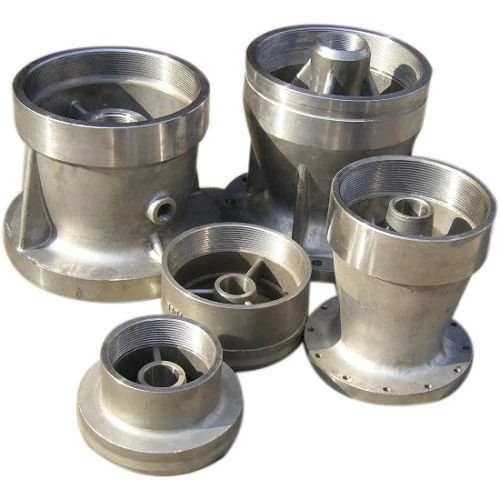
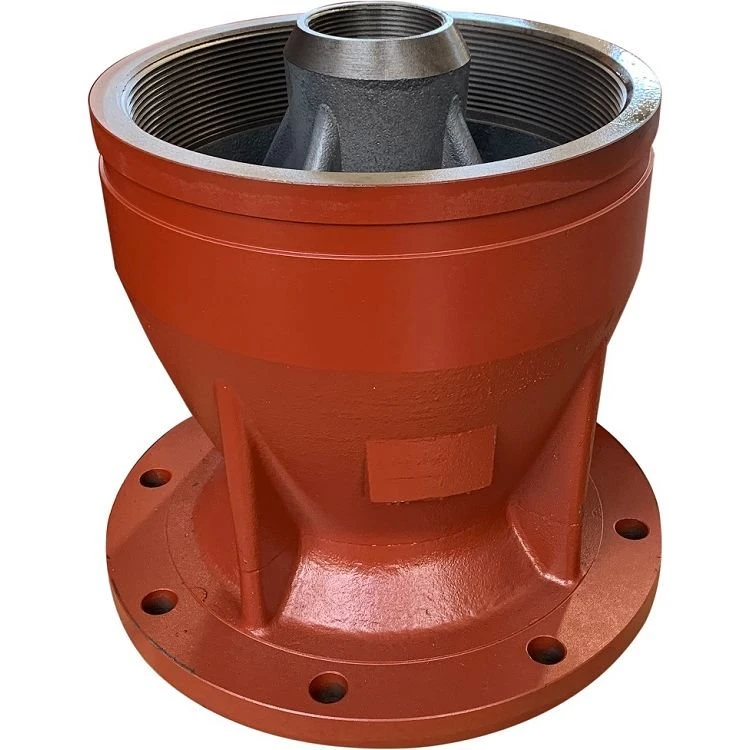
At our company, we offer a wide range of pump suction products to suit different needs. We have Cast Iron Pump Suction and Stainless Steel Pump Suction options available. Our team of experts can help you choose the right pipe diameter and pump suction equipment for your specific application.
If you're in the market for pump suction equipment or have any questions about pipe diameter and its impact on pump suction, don't hesitate to get in touch. We're here to help you make the best decision for your pump system. Whether you're a small business or a large industrial operation, we have the products and expertise to meet your needs.
Conclusion
In conclusion, the pipe diameter has a significant impact on pump suction. It affects flow velocity, cavitation, priming, and overall pump performance. Choosing the right pipe diameter is crucial for ensuring efficient and reliable pump operation. By considering factors such as flow rate, fluid type, and suction line length, you can select the appropriate pipe diameter for your pump system.
If you're looking for high-quality pump suction equipment, we've got you covered. Our Cast Iron Pump Suction and Stainless Steel Pump Suction products are designed to provide optimal performance and durability. Contact us today to discuss your requirements and let us help you find the perfect solution for your pump suction needs.
References
- Pump Handbook, Karassik, I. J., Messina, J. P., Cooper, P. & Heald, C. C.
- Fluid Mechanics, Frank M. White