The life expectancy of a centrifugal pump is a critical consideration for both end - users and suppliers like us. As a centrifugal pump supplier, we understand that customers want to know how long their investment will last and what factors can influence the pump's lifespan.
Factors Affecting the Life Expectancy of Centrifugal Pumps
1. Operating Conditions
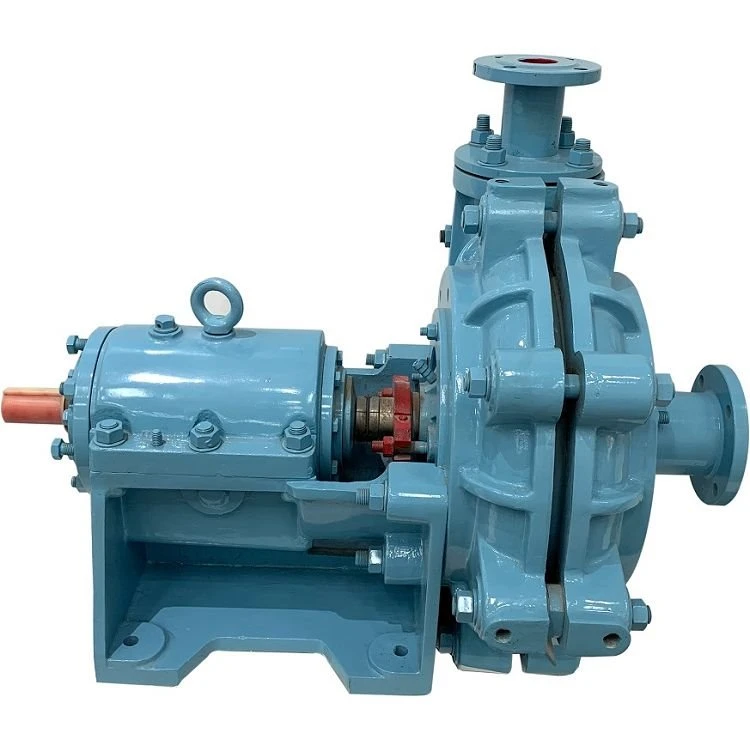
The operating conditions under which a centrifugal pump works play a significant role in determining its life expectancy. Pumps that are used in harsh environments, such as those exposed to corrosive chemicals or abrasive materials, tend to have a shorter lifespan. For example, a Slurry Pump is often used to transport slurries containing solid particles. These particles can cause wear and tear on the pump's impeller, casing, and other components. Over time, this abrasion can lead to reduced efficiency and eventually, pump failure.
On the other hand, pumps operating under normal conditions, with clean fluids and moderate temperatures, can last much longer. A single - stage double - suction centrifugal pump used in a water supply system for a building, where the water is relatively clean, will generally have a longer life compared to a pump in a chemical processing plant.
2. Maintenance Practices
Proper maintenance is essential for extending the life of a centrifugal pump. Regular maintenance tasks include checking and replacing worn - out parts, lubricating bearings, and ensuring proper alignment of the pump and motor. Neglecting maintenance can lead to premature failure. For instance, if the bearings of a pump are not lubricated regularly, they can overheat and seize, causing damage to the pump shaft and other components.
As a supplier, we often provide maintenance guidelines to our customers. We recommend that they follow a preventive maintenance schedule, which may include monthly inspections, quarterly lubrication, and annual overhauls. By adhering to these guidelines, customers can significantly increase the life expectancy of their pumps.
3. Quality of Manufacturing
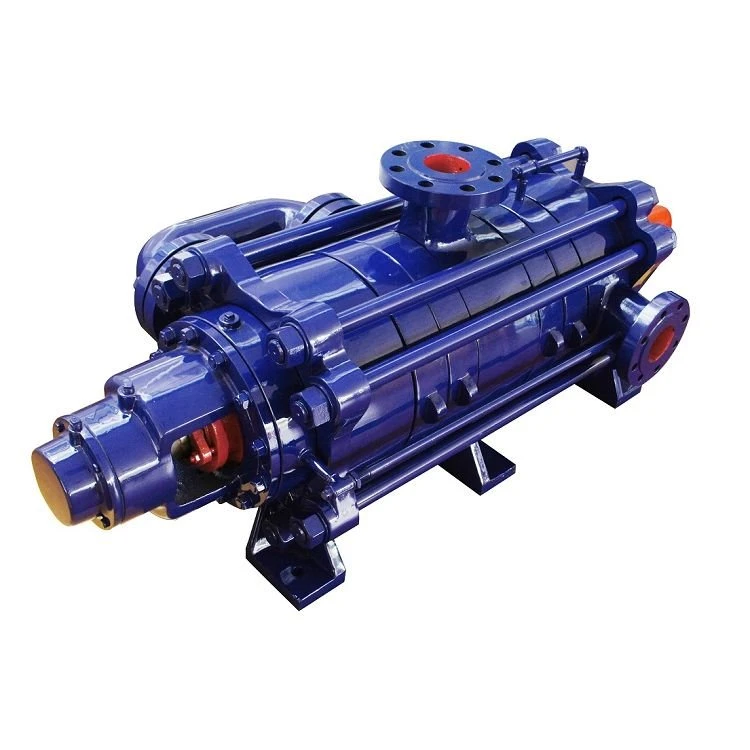
The quality of the materials used and the manufacturing processes employed also impact the pump's lifespan. High - quality pumps are typically made from durable materials that can withstand the rigors of operation. For example, a Mine Multistage Centrifugal Pump used in deep - mine applications needs to be constructed from materials that can resist corrosion and abrasion.
At our company, we use advanced manufacturing techniques and high - grade materials to ensure the durability of our pumps. We have strict quality control measures in place during the manufacturing process to ensure that each pump meets our high standards. This commitment to quality helps us deliver pumps with a longer life expectancy to our customers.
Typical Life Expectancy Ranges
The life expectancy of a centrifugal pump can vary widely depending on the factors mentioned above. In general, a well - maintained centrifugal pump used in a relatively mild operating environment can last between 10 to 20 years. For example, a Single Stage Double - Suction Centrifugal Pump used in a municipal water treatment plant with proper maintenance can easily reach the upper end of this range.
However, pumps operating in more demanding conditions, such as those in the mining or chemical industries, may have a shorter lifespan. A slurry pump in a mining operation might need to be replaced every 3 to 5 years, especially if it is handling highly abrasive slurries.
How to Maximize the Life of a Centrifugal Pump
1. Select the Right Pump
Choosing the right pump for the specific application is crucial. Consider factors such as the type of fluid being pumped, the flow rate, the pressure requirements, and the operating environment. A pump that is properly sized and designed for the application will operate more efficiently and have a longer life. For example, if you need to pump a high - viscosity fluid, a pump with a larger impeller diameter and a more powerful motor may be required.
2. Monitor Performance
Regularly monitoring the performance of the pump can help detect potential problems early. Keep track of parameters such as flow rate, pressure, power consumption, and temperature. Any significant changes in these parameters may indicate a problem with the pump. For example, a sudden drop in flow rate could be due to a clogged impeller or a worn - out seal.
3. Train Operators
Properly trained operators are essential for the long - term performance of a centrifugal pump. Operators should be familiar with the pump's operation, maintenance procedures, and safety guidelines. They should know how to start and stop the pump correctly, how to perform basic maintenance tasks, and how to recognize signs of trouble.
Conclusion
In conclusion, the life expectancy of a centrifugal pump is influenced by a variety of factors, including operating conditions, maintenance practices, and the quality of manufacturing. As a centrifugal pump supplier, we are committed to providing our customers with high - quality pumps and the support they need to maximize the lifespan of their equipment.
If you are in the market for a centrifugal pump or need advice on how to extend the life of your existing pump, we invite you to contact us for a detailed discussion. Our team of experts is ready to assist you in finding the best solution for your specific needs. Whether you need a Mine Multistage Centrifugal Pump, a Slurry Pump, or a Single Stage Double - Suction Centrifugal Pump, we have the expertise and the products to meet your requirements.
References
- Karassik, I. J., Messina, J. P., Cooper, P. T., & Heald, C. C. (2008). Pump Handbook. McGraw - Hill Professional.
- Stepanoff, A. J. (1957). Centrifugal and Axial Flow Pumps: Theory, Design, and Application. John Wiley & Sons.