Hey there! As a pump casting supplier, I've seen firsthand how crucial magnetic particle testing (MPT) is in our industry. Let's dive into what MPT is and its role in pump casting.
What is Magnetic Particle Testing?
Magnetic particle testing is a non - destructive testing (NDT) method. It's used to detect surface and near - surface discontinuities in ferromagnetic materials. In simple terms, we're looking for cracks, laps, seams, and other flaws that could affect the performance and safety of pump castings.
Here's how it works. First, we magnetize the pump casting. This can be done using either a permanent magnet or an electromagnet. Once the casting is magnetized, we apply ferromagnetic particles to the surface. These particles can be in a dry powder form or suspended in a liquid. If there's a discontinuity on the surface or just below it, the magnetic field is disrupted. The ferromagnetic particles are then attracted to the area of the disrupted magnetic field, forming a visible indication of the flaw.
Why is it Important in Pump Casting?
Ensuring Safety
Pumps are used in a wide range of applications, from water supply systems to chemical processing plants. A faulty pump casting can lead to leaks, malfunctions, and in some cases, even catastrophic failures. For example, in a chemical plant, a pump with a cracked casting could leak hazardous chemicals, endangering the lives of workers and causing environmental damage. By using MPT, we can detect flaws early on, ensuring that only safe and reliable pump castings are sent out to our customers.
Quality Control
As a pump casting supplier, quality is our top priority. Magnetic particle testing is an essential part of our quality control process. It allows us to identify and reject defective castings before they are assembled into pumps. This not only saves time and money but also helps us maintain a good reputation in the market. We want our customers to trust that the pump castings they receive from us are of the highest quality.
Meeting Industry Standards
The pump industry has strict standards and regulations regarding the quality and safety of pump components. Many of these standards require the use of non - destructive testing methods like MPT. By performing MPT on our pump castings, we can ensure that our products meet or exceed these standards. This is especially important when dealing with international customers who may have their own specific requirements.
Applications in Different Types of Pump Castings
Stainless Steel Pump Casting
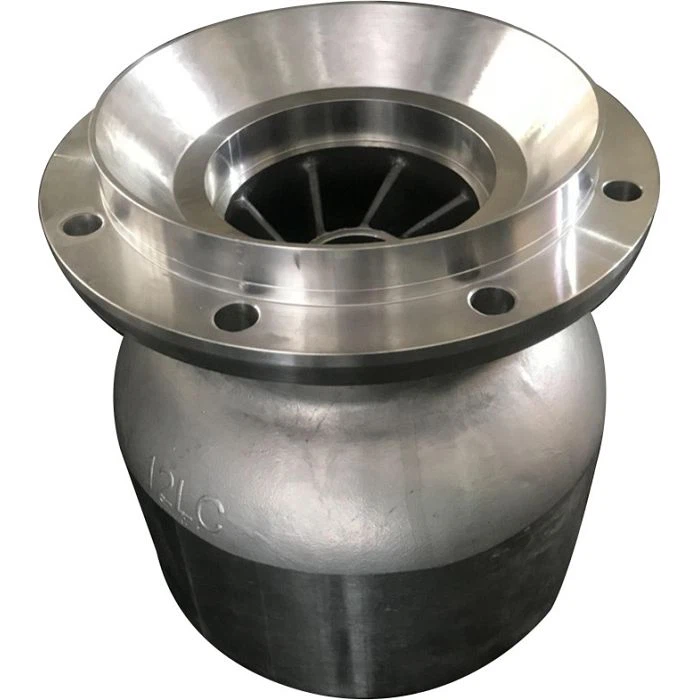
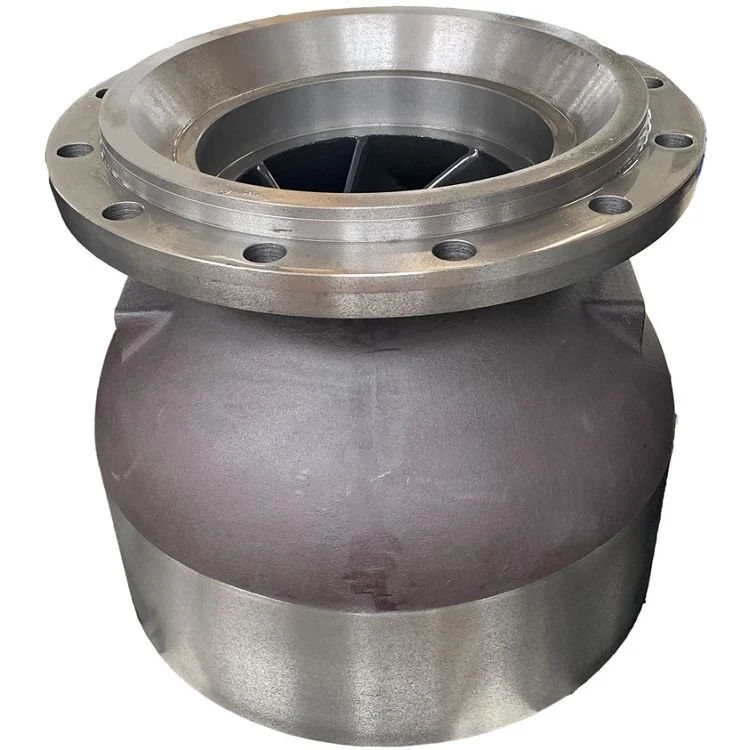
Stainless Steel Pump Casting is widely used in applications where corrosion resistance is required, such as in the food and beverage industry and marine environments. MPT can be used to detect surface cracks that could lead to corrosion and reduce the lifespan of the pump. By ensuring the integrity of stainless steel pump castings through MPT, we can provide our customers with pumps that are durable and reliable.
Cast Iron Casting
Cast Iron Casting is a popular choice for pumps due to its high strength and low cost. However, cast iron is prone to defects such as porosity and cracks. MPT is an effective way to detect these flaws, allowing us to take corrective actions before the castings are used in pumps. This helps to improve the performance and reliability of cast iron pumps.
Wear Resistant Pump Parts
Wear Resistant Pump Parts are used in applications where the pump is exposed to abrasive materials, such as in mining and dredging operations. MPT can be used to detect surface and near - surface flaws that could reduce the wear resistance of these parts. By identifying and fixing these flaws, we can ensure that the wear - resistant pump parts have a long service life.
The Process of Magnetic Particle Testing in Pump Casting
Preparation
Before performing MPT, the pump casting needs to be properly prepared. This includes cleaning the surface to remove any dirt, grease, or other contaminants that could interfere with the test results. The casting may also need to be demagnetized if it has any residual magnetism from previous manufacturing processes.
Magnetization
There are two main methods of magnetization: longitudinal and circular. Longitudinal magnetization is used to detect flaws that are perpendicular to the direction of the magnetic field, while circular magnetization is used to detect flaws that are parallel to the direction of the magnetic field. In some cases, a combination of both methods may be used to ensure comprehensive flaw detection.
Application of Magnetic Particles
As mentioned earlier, the magnetic particles can be applied in either a dry or wet form. Dry particles are typically used for on - site inspections, while wet particles are more commonly used in a laboratory or workshop environment. The particles are applied evenly over the surface of the casting, and any excess is removed.
Inspection
After the magnetic particles have been applied, the casting is inspected for indications of flaws. These indications appear as visible lines or clusters of particles on the surface of the casting. The size, shape, and location of the indications are recorded, and the severity of the flaw is evaluated.
Demagnetization
Once the inspection is complete, the casting needs to be demagnetized to remove any residual magnetism. Residual magnetism can cause problems during subsequent manufacturing processes, such as welding or machining, and can also attract metal particles, which could affect the performance of the pump.
Limitations of Magnetic Particle Testing
While MPT is a powerful non - destructive testing method, it does have some limitations. First, it can only be used on ferromagnetic materials, such as iron, nickel, and cobalt. Non - ferromagnetic materials, such as aluminum and copper, cannot be tested using MPT. Second, MPT can only detect surface and near - surface flaws. Flaws that are located deep within the casting may not be detected. Finally, the interpretation of MPT results requires trained and experienced personnel. Incorrect interpretation of the results can lead to false positives or false negatives.
Conclusion
In conclusion, magnetic particle testing plays a vital role in pump casting. It helps us ensure the safety, quality, and compliance of our pump castings. Whether it's Stainless Steel Pump Casting, Cast Iron Casting, or Wear Resistant Pump Parts, MPT is an essential part of our manufacturing process.
If you're in the market for high - quality pump castings, we'd love to hear from you. We're committed to providing the best products and services to our customers. Contact us to start a conversation about your pump casting needs and let's work together to find the perfect solution for you.
References
- ASNT (American Society for Nondestructive Testing). "Magnetic Particle Testing Handbook."
- ASTM International. "Standard Practices for Magnetic Particle Testing."