As a seasoned fire pump supplier, I've encountered numerous inquiries regarding the start - up time of fire pumps. This is a crucial aspect that directly impacts the effectiveness of fire - fighting operations. In this blog, I'll delve deep into what the start - up time of a fire pump is, its influencing factors, and its significance in real - world scenarios.
Defining the Start - up Time of a Fire Pump
The start - up time of a fire pump refers to the period from the moment the activation signal is sent to the pump until it reaches its rated flow and pressure. This time frame is a critical parameter as it determines how quickly the fire - fighting system can respond to a fire emergency. A shorter start - up time means that water can be delivered to the fire scene more rapidly, potentially minimizing the spread of fire and reducing property damage and life risks.
Factors Affecting the Start - up Time
Pump Type
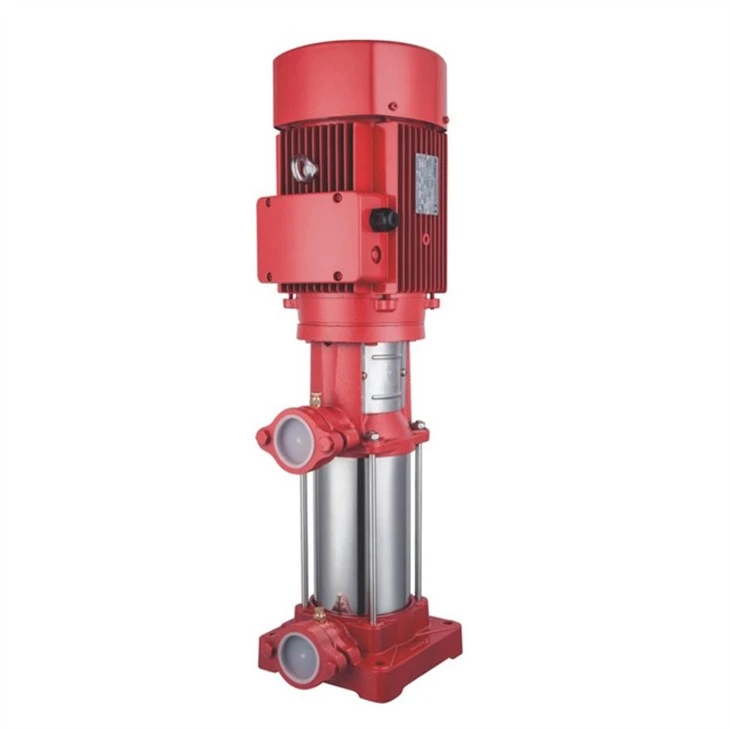
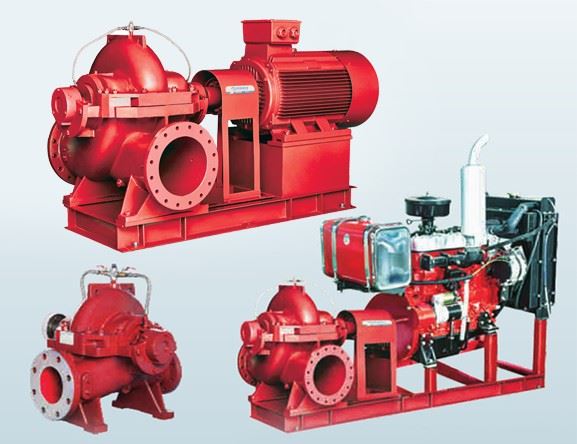
Different types of fire pumps have varying start - up characteristics. For instance, Centrifugal Fire Pump are among the most commonly used fire pumps. They typically have a relatively fast start - up time. Centrifugal pumps work by using centrifugal force to move water. Once the motor is energized, the impeller starts rotating, and water begins to flow. The design simplicity and high - speed operation of centrifugal pumps contribute to their quick response.
On the other hand, positive displacement pumps, such as piston pumps, may have a longer start - up time. These pumps operate by trapping a fixed amount of fluid and then forcing it into the discharge pipe. The mechanical movement involved in the pumping process, including the reciprocating motion of pistons, requires more time to reach the rated flow and pressure compared to centrifugal pumps.
Motor and Power Supply
The motor of a fire pump plays a vital role in determining the start - up time. A high - quality, well - sized motor can accelerate the pump to its operating speed more quickly. If the motor is under - sized for the pump, it may struggle to reach the required speed, resulting in a longer start - up time.
The power supply also affects the start - up. A stable and reliable power source is essential. In some cases, fire pumps are equipped with emergency power generators to ensure operation during power outages. However, the time it takes for the generator to start up, reach a stable voltage, and transfer power to the pump can add to the overall start - up time.
System Design and Configuration
The overall design of the fire - fighting system can significantly impact the start - up time. Pipes, valves, and fittings in the system can introduce resistance to the flow of water. If the pipes are too narrow or there are excessive bends and restrictions, it will take longer for the pump to build up the required pressure and flow.
Moreover, the presence of air in the system can also cause delays. Air pockets in the pipes can prevent the smooth flow of water and may require additional time to be purged before the pump can reach its rated performance.
Significance of Start - up Time in Fire - Fighting
In a fire emergency, every second counts. A rapid start - up time of the fire pump can mean the difference between containing a fire in its early stages and allowing it to spread out of control. For example, in a large commercial building, a fire can spread quickly through hallways, stairwells, and ventilation systems. If the fire pump can start up within seconds and deliver water to the sprinkler system, it can suppress the fire before it engulfs a large area, protecting both the building structure and the people inside.
In industrial settings, where there may be flammable materials and complex machinery, a fast - starting fire pump is even more critical. A fire in an industrial facility can lead to explosions, environmental disasters, and significant economic losses. A timely response from the fire - fighting system can prevent these catastrophic events.
Testing and Monitoring the Start - up Time
Regular testing and monitoring of the start - up time of fire pumps are essential to ensure their reliability. Fire safety codes and standards often require periodic testing of fire - fighting equipment. During these tests, the start - up time should be measured and recorded. Any significant deviations from the expected start - up time may indicate potential problems with the pump, motor, or the overall system.
Advanced monitoring systems can be installed to continuously track the start - up performance of fire pumps. These systems can provide real - time data on the start - up time, motor status, and system pressure. If any issues are detected, maintenance personnel can be alerted immediately, allowing for prompt repairs and preventive measures.
Our Role as a Fire Pump Supplier
As a fire pump supplier, we understand the importance of providing high - quality pumps with short start - up times. We offer a wide range of fire pumps, including Submersible Fire Pump and centrifugal fire pumps, which are designed and manufactured to meet the strictest industry standards.
Our team of experts can assist customers in selecting the right fire pump for their specific needs. We take into account factors such as the size of the building, the type of occupancy, and the expected fire load. We also provide comprehensive installation, maintenance, and training services to ensure that the fire pumps operate efficiently and have a short start - up time throughout their service life.
Encouraging Contact for Procurement
If you're in the market for a reliable fire pump with a short start - up time, we're here to help. Our extensive experience in the fire - pump industry and commitment to quality make us a trusted partner for your fire - safety needs. Whether you're involved in a new construction project, an industrial facility upgrade, or simply need to replace an existing fire pump, we can offer you the best solutions.
Don't hesitate to reach out to us for more information, product specifications, or to discuss your procurement requirements. Our team is ready to answer all your questions and guide you through the process of selecting and installing the ideal fire pump for your situation.
References
- NFPA 20: Standard for the Installation of Stationary Pumps for Fire Protection.
- International Building Code (IBC) provisions related to fire - fighting systems.
- Manufacturer's technical documentation for various fire pump models.