Hey there! Being a sea water pump supplier, I often get asked about the technical aspects of these pumps, and one question that pops up quite a bit is, "What is the thermal expansion coefficient of the materials used in a sea water pump?" Let's dive right into it.
First off, let's understand what the thermal expansion coefficient is. Simply put, it's a measure of how much a material expands or contracts when its temperature changes. Every material has its own unique thermal expansion coefficient, and this can have a big impact on the performance and longevity of a sea water pump.
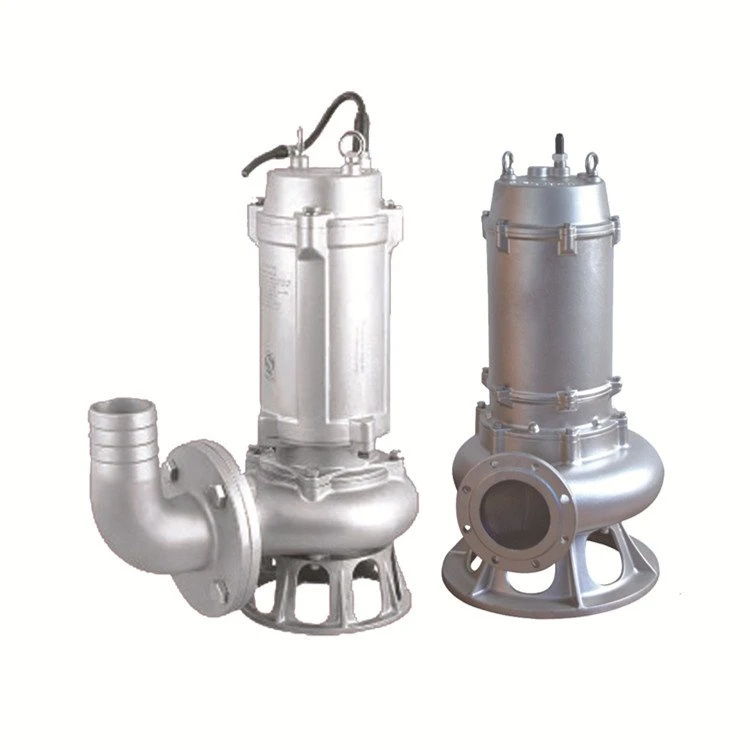
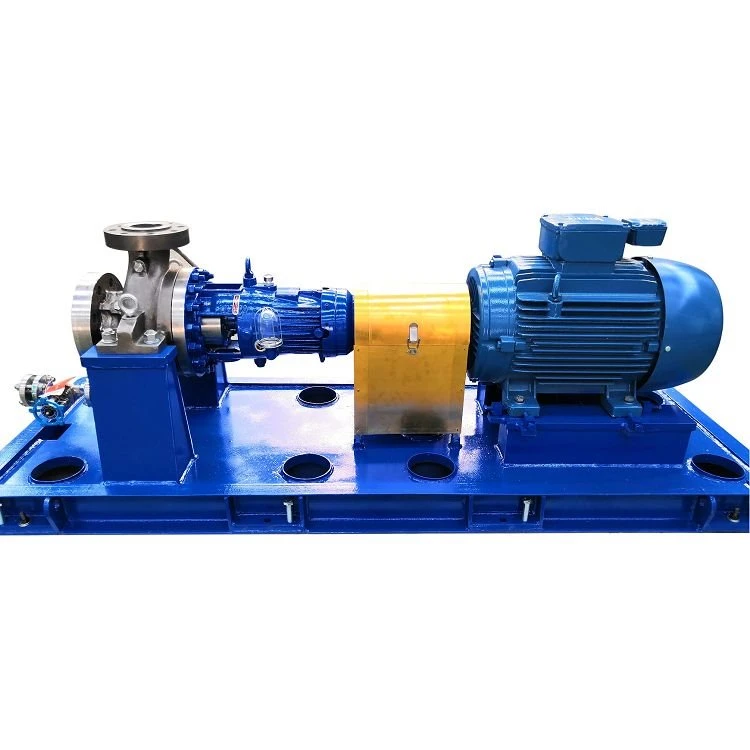
Sea water pumps operate in some pretty harsh conditions. They're constantly exposed to saltwater, which is highly corrosive, and they also have to deal with varying temperatures. Imagine the pump is sitting in the sea, where the water temperature can change depending on the time of day, the season, and even the location. These temperature fluctuations can cause the materials in the pump to expand and contract, and if the thermal expansion coefficient isn't properly considered, it can lead to all sorts of problems.
So, what materials are commonly used in sea water pumps, and what are their thermal expansion coefficients?
1. Stainless Steel
Stainless steel is a go - to material for many parts of a sea water pump. It's corrosion - resistant, strong, and relatively easy to work with. The thermal expansion coefficient of austenitic stainless steels, which are commonly used in pump construction, is around $17.3×10^{-6}/^{\circ}C$ (at room temperature). This means that for every degree Celsius increase in temperature, a 1 - meter long piece of this stainless steel will expand by about 17.3 micrometers.
The advantage of using stainless steel in a sea water pump is that its relatively low thermal expansion coefficient helps to maintain the structural integrity of the pump components. Even when the temperature changes, the expansion and contraction are kept within a manageable range, reducing the risk of parts warping or breaking. For example, the impeller of a Centrifugal Sea Water Pump is often made of stainless steel because it needs to withstand the high - speed rotation and the corrosive environment of sea water while remaining stable under temperature changes.
2. Cast Iron
Cast iron has been used in pump manufacturing for a long time. It's strong and cost - effective. The thermal expansion coefficient of gray cast iron is approximately $10.4×10^{-6}/^{\circ}C$. This is lower than that of some stainless steels, which means that cast iron parts will expand and contract less with temperature changes compared to stainless steel parts.
However, cast iron is more prone to corrosion in saltwater environments. So, it's often used for parts that are not directly exposed to the sea water, like the outer casing of some pumps. For instance, in a Submersible Sea Water Pump, the outer casing might be made of cast iron to provide a solid structure, while the internal parts that come into contact with the sea water are made of more corrosion - resistant materials.
3. Bronze
Bronze is another material commonly used in sea water pumps, especially for bearings and small components. It has good corrosion resistance and low friction properties. The thermal expansion coefficient of bronze varies depending on the specific alloy, but it's typically around $18×10^{-6}/^{\circ}C$.
Because of its relatively high thermal expansion coefficient compared to cast iron, designers need to carefully consider how bronze parts will interact with other materials in the pump as the temperature changes. For example, if a bronze bearing is installed in a stainless - steel housing, the different expansion rates could cause issues if not properly accounted for.
Now, why is it so important to get the thermal expansion coefficient right? Well, if the materials expand too much, it can cause parts to jam or become misaligned. This can lead to increased wear and tear, reduced efficiency, and even complete pump failure. On the other hand, if the material contracts too much, it can create gaps, allowing sea water to leak into areas where it shouldn't, which can accelerate corrosion.
When we're designing and manufacturing our sea water pumps, we take all these factors into account. We use computer - aided design (CAD) software to simulate how the different materials will behave under various temperature conditions. This helps us to select the right materials for each part of the pump and to ensure that all the components work together smoothly, even when the temperature is constantly changing.
We also conduct extensive testing on our pumps. We subject them to different temperature and salinity levels to make sure they can handle the real - world conditions they'll face in the sea. This way, we can guarantee that our pumps will perform reliably and have a long service life.
If you're in the market for a high - quality sea water pump, whether it's a Centrifugal Sea Water Pump or a Submersible Sea Water Pump, we've got you covered. We understand the importance of using the right materials with the appropriate thermal expansion coefficients. Our pumps are designed and built to withstand the toughest marine environments.
If you have any questions about our sea water pumps, or if you're interested in a purchase, we'd love to hear from you. Just reach out, and we'll be happy to have a chat about how we can meet your specific needs.
References
- "Materials Science and Engineering: An Introduction" by William D. Callister Jr. and David G. Rethwisch
- "Pump Handbook" by Igor Karassik, Joseph P. Messina, Paul Cooper, and Charles C. Heald