Which Is Better, Single-stage Pump Or Multi-stage Pump?
Sep 26, 2024
Single stage pumps and multi-stage pumps are two commonly used types of pumps that play important roles in industrial production and daily life. So, which is better, single-stage pump or multi-stage pump? Below, we will compare these two pumps from multiple perspectives to help you understand the respective advantages of single-stage pumps and multi-stage pumps, in order to find the pump that suits your needs.
Firstly, let's introduce the basic concepts of single-stage pumps and multi-stage pumps.
A single-stage pump refers to a pump with only one impeller, which works by generating negative pressure through the rotation of the rotor, thereby sucking liquid into the pump body, and then pushing the liquid out of the pump body through the gap between the rotor and the pump body.
A multi-stage pump refers to a pump with multiple rotors that can be combined according to different needs to achieve higher pressure and flow rate.
The two are structurally different, so there are also differences in functionality and usage effects.
In terms of flow, multi-stage pumps are usually able to provide higher flow rates.
Due to the multi-stage pump having multiple impellers, the liquid can obtain greater driving force through the action of each impeller, resulting in higher flow rate. Although single-stage pumps can also meet certain flow requirements, multi-stage pumps are better for high flow demands. For example, in industrial production, multi-stage pumps can better handle scenarios that require rapid drainage or transportation of large amounts of liquids.
Another important aspect is pressure.

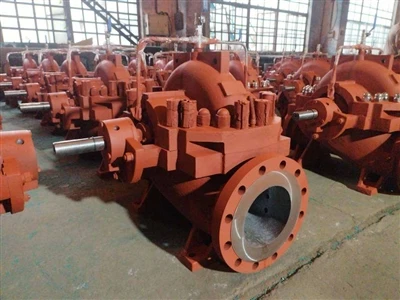

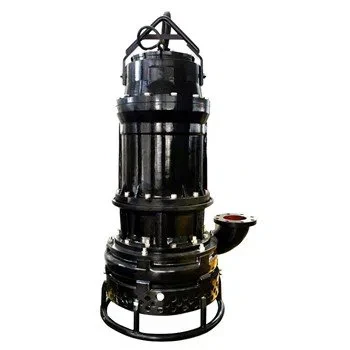


Due to having multiple impellers, multi-stage pumps can achieve higher pressure through the stacking of impellers. In contrast, single-stage pumps are relatively limited in terms of pressure. Therefore, in situations where liquids are transported under high pressure, multi-stage pumps are usually more suitable. For example, in the water supply process of a water plant, multi-stage pumps can transport water at high speed from lower terrain to higher areas.
In addition, stability is also an important consideration factor.
Multi stage pumps are more complex in structure, consisting of multiple impellers and pump bodies, therefore their operational stability is relatively high. Single stage pumps, due to their simple structure, are relatively prone to malfunctions. Therefore, in situations where high stability is required, multi-stage pumps are a better choice.
However, single-stage pumps also have their unique advantages.
Firstly, the structure of a single-stage pump is relatively simple, making maintenance and repair relatively easy. For some small domestic water pumps or small industrial equipment, single-stage pumps are more convenient to use.
Secondly, the price of single-stage pumps is relatively low and more cost-effective. If your flow and pressure requirements are small and you have high economic demands, a single-stage pump is a good choice.
In summary, single-stage pumps and multi-stage pumps have their advantages and disadvantages in different situations. When choosing a pump that suits oneself, it is necessary to consider specific flow rate, pressure, and stability requirements.
If high flow rate, high pressure, and higher stability are required, multi-stage pumps would be a better choice; If economy and simple maintenance are more valued, single-stage pumps are more suitable.
Choosing the appropriate pump based on actual needs will better meet the needs of production and daily life.