As a supplier of submersible pumps, I often receive inquiries from customers in high - altitude areas about whether our submersible pumps are suitable for their specific environments. High - altitude areas present a unique set of challenges, and it's crucial to understand how these conditions can impact the performance and suitability of submersible pumps.
Understanding High - Altitude Conditions
High - altitude areas are characterized by lower atmospheric pressure and lower oxygen levels compared to sea - level regions. Atmospheric pressure decreases with increasing altitude, which can have significant implications for the operation of submersible pumps. The standard atmospheric pressure at sea level is approximately 101.3 kPa. For every 1000 meters increase in altitude, the atmospheric pressure drops by about 10 kPa.
Lower atmospheric pressure can affect the pump's ability to draw water. Submersible pumps rely on the pressure difference to lift water from the source to the desired location. In high - altitude areas, the reduced atmospheric pressure means that the pressure available to assist in the water - lifting process is lower. This can lead to a decrease in the pump's suction capacity.
Impact on Pump Performance
Suction Lift
The suction lift of a submersible pump is the vertical distance from the water source to the pump's inlet. In high - altitude areas, the maximum achievable suction lift is reduced due to the lower atmospheric pressure. For example, at sea level, a submersible pump might be able to achieve a suction lift of up to 7 - 8 meters. However, at an altitude of 3000 meters, where the atmospheric pressure is significantly lower, the maximum suction lift could be reduced to 4 - 5 meters or even less.
Motor Performance
The submersible motor is the heart of the pump. In high - altitude areas, the lower oxygen levels can affect the motor's cooling and combustion processes (in the case of motors that rely on combustion for operation, although most submersible motors are electric). Electric motors generate heat during operation, and they rely on the surrounding environment to dissipate this heat. The lower air density at high altitudes reduces the heat - transfer efficiency, which can cause the motor to overheat more easily.
Moreover, the power output of the motor may also be affected. The reduced air density means that the motor's fan, which helps in cooling, is less effective. This can lead to a derating of the motor, where its power output is reduced to prevent overheating and damage.
Suitability of Submersible Pumps in High - Altitude Areas
Despite the challenges, submersible pumps can still be suitable for high - altitude areas, depending on the specific application and requirements.
Deep - Well Applications
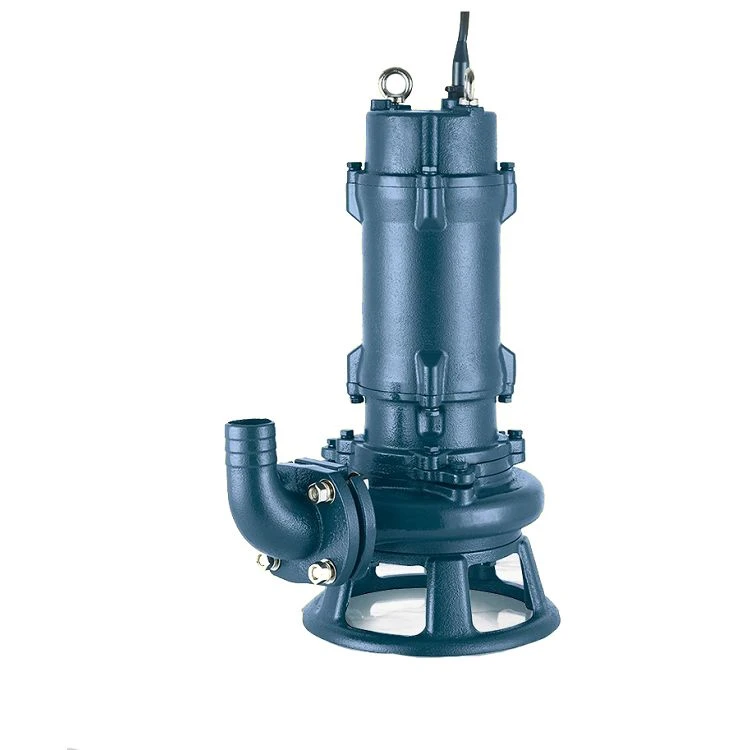
In deep - well applications, where the pump is submerged deep in the water, the issue of reduced suction lift is less of a concern. Since the pump is already at or below the water source, it doesn't rely as much on atmospheric pressure to draw water. For example, in a mining operation at high altitude, a Submersible Slurry Pump can be effectively used to pump slurry from deep underground levels. The submergence of the pump ensures a continuous supply of fluid, and the pump can operate based on its internal pressure - generating mechanisms.

Cooling Solutions
To address the motor overheating issue, special cooling solutions can be implemented. Some submersible pumps are designed with water - cooled motors. In high - altitude areas, these water - cooled motors can be more reliable as they don't rely as much on air for cooling. Additionally, advanced motor control systems can be used to monitor the motor temperature and adjust the power output accordingly. This ensures that the motor operates within a safe temperature range, even in the challenging high - altitude environment.
Pressure Boosting
In some cases, pressure - boosting systems can be used in conjunction with submersible pumps in high - altitude areas. These systems can help to compensate for the reduced atmospheric pressure and increase the overall pressure available for water delivery. For example, in a high - altitude residential area, a pressure - boosting pump can be installed downstream of a Submersible Sewage Pump to ensure that water is delivered to all the households at an adequate pressure.
Other Considerations
Material Selection
The materials used in the construction of submersible pumps are also important in high - altitude areas. Higher altitudes are often associated with more extreme temperature variations, which can cause thermal expansion and contraction of materials. Therefore, pumps should be constructed using materials that can withstand these temperature changes without significant damage. For example, high - grade stainless steel and reinforced plastics are commonly used in submersible pumps to ensure durability in harsh environmental conditions.
Maintenance
Regular maintenance is crucial for the proper operation of submersible pumps in high - altitude areas. Due to the challenging operating conditions, components such as seals, bearings, and impellers may wear out more quickly. Adequate lubrication and inspection of these components can help to prevent breakdowns and ensure the long - term reliability of the pump.
Our Offerings as a Supplier
As a submersible pump supplier, we understand the unique requirements of high - altitude areas. We offer a range of submersible pumps that are specifically designed to perform well in such environments. Our Submersible Motor is engineered with advanced cooling technology to combat the overheating issue caused by lower air density. We also provide customized solutions, including pressure - boosting systems and special material selections, to meet the specific needs of our customers in high - altitude regions.
We have a team of experienced engineers who can provide technical support and assistance in the selection, installation, and maintenance of our submersible pumps. Whether you are in a mining operation, a residential community, or an industrial facility at high altitude, we can help you choose the right pump for your application.
Why Choose Our Submersible Pumps for High - Altitude Areas
- Reliability: Our pumps are built to last, even in the harsh conditions of high - altitude areas. We use high - quality materials and advanced manufacturing processes to ensure the durability of our products.
- Performance: Our pumps are designed to provide optimal performance, despite the challenges of reduced atmospheric pressure and lower oxygen levels. We continuously invest in research and development to improve the efficiency and effectiveness of our pumps.
- Customization: We understand that each high - altitude application is unique. Therefore, we offer customized solutions to meet the specific requirements of our customers. Whether it's a special pump design, a pressure - boosting system, or a specific material selection, we can work with you to find the best solution.
Conclusion
In conclusion, submersible pumps can be suitable for high - altitude areas, but it's important to consider the specific challenges presented by these environments. With the right design, technology, and maintenance, submersible pumps can operate effectively in high - altitude regions. At our company, we are committed to providing high - quality submersible pumps and comprehensive solutions for customers in high - altitude areas.
If you are interested in learning more about our submersible pumps and how they can meet your needs in high - altitude areas, we encourage you to contact us for a detailed discussion. Our team of experts is ready to assist you in selecting the most suitable pump and provide all the necessary technical support.
References
- "Pump Handbook" by Igor Karassik
- "Fluid Mechanics" by Frank White
- Technical documentation from various submersible pump manufacturers