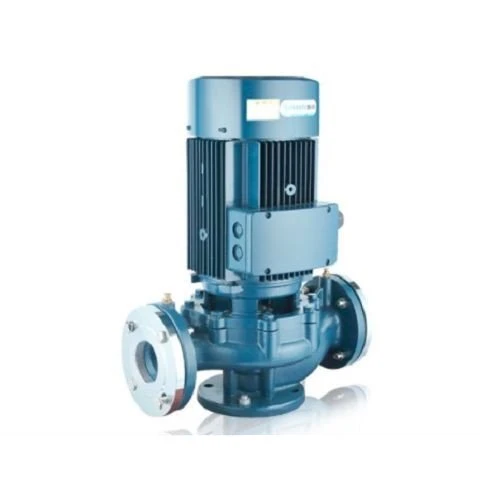
Hey there! As a supplier of Vertical In Line Pumps, I've seen my fair share of vibration problems in these pumps. In this blog, I'm gonna talk about what causes these vibration issues and how we can solve them.
Common Vibration Problems in Vertical In Line Pumps
1. Unbalanced Impeller
One of the most common culprits behind pump vibrations is an unbalanced impeller. Over time, the impeller can get damaged or worn unevenly. This uneven wear causes a shift in the center of mass of the impeller. When the pump is running, this unbalanced impeller creates an uneven force as it rotates. This force then causes the pump to vibrate. You might notice that the vibration gets worse as the pump's speed increases.
2. Misalignment
Misalignment can occur in two main ways: between the pump and the motor, or in the piping system. If the pump and the motor aren't properly aligned, it can lead to excessive vibrations. This misalignment can happen during installation or due to wear and tear over time. Similarly, if the piping connected to the pump is misaligned, it can put extra stress on the pump, causing it to vibrate.
3. Cavitation
Cavitation is a phenomenon that happens when the pressure in the pump drops below the vapor pressure of the liquid being pumped. This causes vapor bubbles to form in the liquid. When these bubbles collapse, they create shockwaves that can cause the pump to vibrate. Cavitation can also damage the impeller and other internal components of the pump over time.
4. Loose Parts
Loose bolts, nuts, or other components can also lead to vibrations. As the pump operates, these loose parts can move around, causing the pump to shake. This can be a simple issue to fix, but if left unattended, it can lead to more serious problems.
5. Resonance
Resonance occurs when the natural frequency of the pump or its components matches the frequency of the vibrations generated during operation. This can amplify the vibrations and cause significant damage to the pump. Resonance can be a tricky problem to diagnose because it might not be obvious at first glance.
How to Solve These Vibration Problems
1. Balancing the Impeller
If the impeller is unbalanced, the first step is to have it balanced. This usually involves removing the impeller from the pump and using specialized equipment to measure and correct the imbalance. Balancing the impeller can significantly reduce vibrations and improve the overall performance of the pump.
2. Realigning the Pump and Motor
To fix misalignment between the pump and the motor, you'll need to use alignment tools. These tools can help you ensure that the pump and the motor are perfectly aligned. It's important to follow the manufacturer's instructions when realigning the pump and motor to avoid further issues.
3. Preventing Cavitation
To prevent cavitation, you need to make sure that the pump is operating within its recommended pressure and flow range. You can also check the suction line for any blockages or restrictions. If the problem persists, you might need to consider using a different pump or modifying the system to increase the pressure at the pump inlet.
4. Tightening Loose Parts
Regular maintenance checks should include inspecting all the bolts, nuts, and other components for tightness. If you find any loose parts, simply tighten them using the appropriate tools. This can prevent vibrations caused by loose components.
5. Avoiding Resonance
To avoid resonance, you can try changing the operating speed of the pump. This can change the frequency of the vibrations and prevent them from matching the natural frequency of the pump or its components. You can also add damping materials to the pump or its mounting to reduce the impact of vibrations.
Our Vertical In Line Pumps
At our company, we take pride in providing high-quality Vertical In Line Pump. Our pumps are designed and manufactured to minimize vibration problems. We use advanced technology and high-quality materials to ensure the reliability and performance of our pumps.
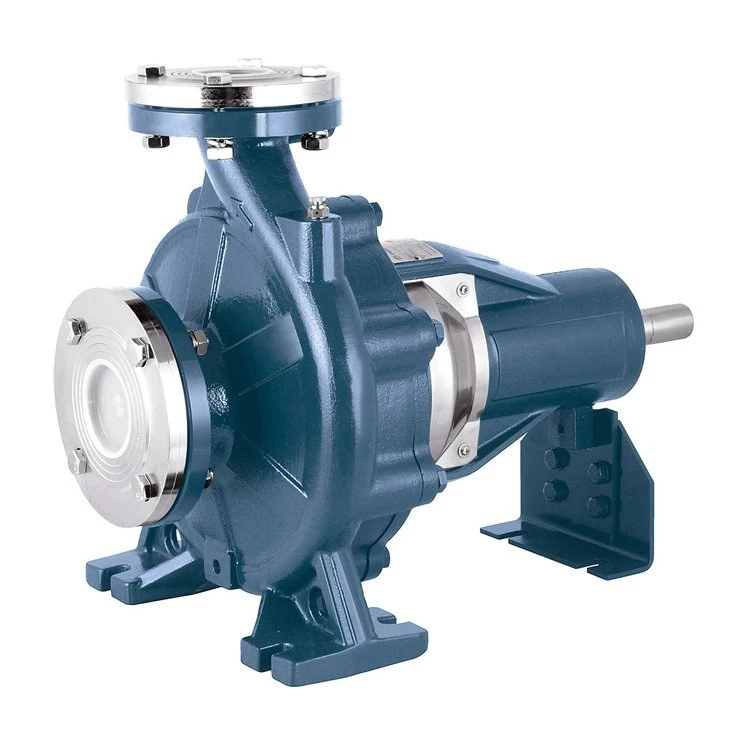
In addition to our Vertical In Line Pumps, we also offer a wide range of other pumps, such as End Suction Centrifugal Pump and Single Stage Double-Suction Centrifugal Pump. These pumps are suitable for various applications, including water supply, HVAC systems, and industrial processes.
Contact Us for Purchasing
If you're interested in our pumps or have any questions about vibration problems or solutions, don't hesitate to contact us. We have a team of experts who can provide you with professional advice and support. Whether you're looking for a new pump or need help with an existing one, we're here to assist you.
References
- Pump Handbook, by Igor Karassik et al.
- Centrifugal Pumps: Design and Application, by Clayton Isom.