Are there any international standards for pump parts?
As a supplier of pump parts, I often encounter inquiries from customers around the world regarding the existence and significance of international standards for pump components. In this blog, I aim to delve into this topic, exploring the current landscape of international standards for pump parts, their importance, and how they impact our business as a supplier.
The Need for International Standards
The global nature of the pump industry necessitates a set of common standards to ensure compatibility, safety, and performance across different regions and applications. International standards provide a framework for manufacturers, suppliers, and users to communicate and collaborate effectively. They help in reducing costs associated with custom - made parts, improving quality control, and facilitating international trade.
One of the primary reasons for the development of international standards is to ensure the interchangeability of pump parts. For example, a pump impeller manufactured in one country should be able to fit and function correctly in a pump casing produced in another country. This requires a common set of dimensions, tolerances, and material specifications.
Existing International Standards for Pump Parts
There are several well - recognized international standards organizations that have developed standards for pump parts. The International Organization for Standardization (ISO) is one of the most prominent. ISO has a series of standards related to pumps and pump parts, such as ISO 2858, which specifies the dimensions and performance requirements for end - suction centrifugal pumps. This standard is widely used in the industry to ensure that pumps and their parts are compatible and can be easily integrated into different systems.
The American National Standards Institute (ANSI) also plays a crucial role in the US and international markets. ANSI standards, such as ANSI/HI 1.1 - 1.2, cover centrifugal pumps and their components. These standards define the design, performance, and testing requirements for pump parts, ensuring that they meet the highest quality and safety standards.
In Europe, the European Committee for Standardization (CEN) has developed standards for pumps and pump parts, such as EN 733, which deals with centrifugal pumps for water supply. These standards are designed to harmonize the requirements across the European Union and promote a single market for pump products.
Impact on Our Business as a Pump Parts Supplier
As a pump parts supplier, international standards are of utmost importance to us. They serve as a guide for our manufacturing processes, ensuring that the parts we produce meet the highest quality standards. By adhering to international standards, we can offer our customers parts that are compatible with a wide range of pumps, regardless of their origin.
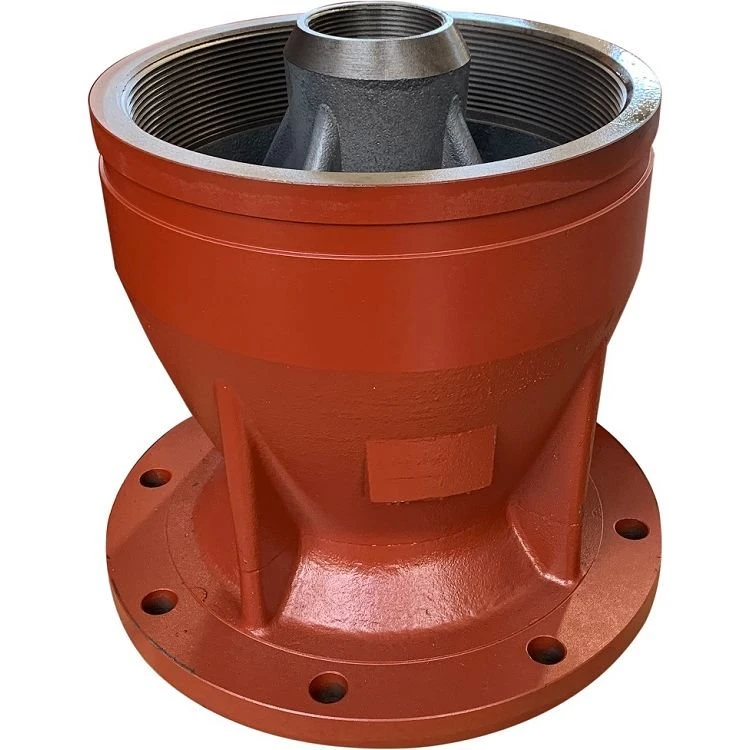
For example, when manufacturing Cast Iron Pump Suction, we follow the relevant ISO and ANSI standards for material composition, dimensions, and surface finish. This not only ensures the quality of the product but also makes it easier for our customers to install and use the part in their existing pump systems.
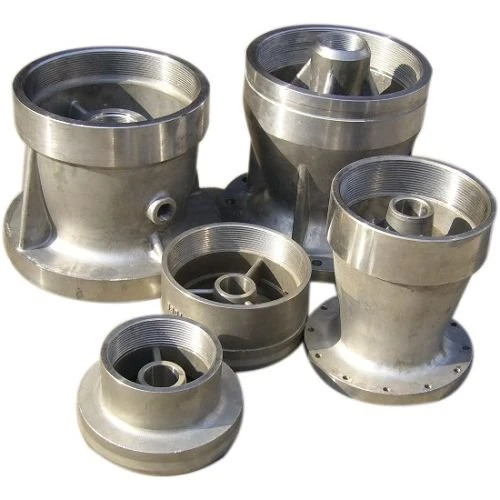
Similarly, our Stainless Steel Pump Discharge and Stainless Steel Pump Suction parts are manufactured to meet international standards. This allows us to cater to a global customer base, as our products can be used in pumps that are designed and installed in different parts of the world.
Challenges in Adhering to International Standards
While international standards offer numerous benefits, there are also challenges associated with adhering to them. One of the main challenges is the cost of compliance. Implementing and maintaining a quality management system that meets international standards requires significant investment in equipment, training, and documentation.
Another challenge is the constant evolution of standards. As technology advances and new requirements emerge, standards are updated regularly. This means that we, as suppliers, need to stay up - to - date with the latest standards and ensure that our manufacturing processes are adjusted accordingly.
The Future of International Standards for Pump Parts
The future of international standards for pump parts looks promising. With the increasing demand for energy - efficient and environmentally friendly pumps, there will be a greater emphasis on standards related to energy consumption, emissions, and sustainability.
New technologies, such as 3D printing and the Internet of Things (IoT), are also likely to shape the development of international standards. For example, standards may be developed to ensure the quality and performance of 3D - printed pump parts, or to define the communication protocols for IoT - enabled pumps.
Conclusion
In conclusion, there are indeed international standards for pump parts, and they play a vital role in the global pump industry. As a supplier of pump parts, we recognize the importance of these standards and strive to adhere to them in all aspects of our business. By doing so, we can provide our customers with high - quality, compatible, and reliable pump parts.
If you are in the market for pump parts and are interested in learning more about our products or discussing your specific requirements, we invite you to reach out to us. We are committed to providing you with the best solutions and establishing a long - term partnership. Let's work together to ensure the smooth operation of your pump systems.
References
- ISO Standards on pumps and pump parts. International Organization for Standardization.
- ANSI/HI Standards for centrifugal pumps. American National Standards Institute and Hydraulic Institute.
- EN Standards for pumps in Europe. European Committee for Standardization.